Raising healthy ducks for meat can be a rewarding and profitable venture, especially for small-scale farmers. You may be wondering where to start when it comes to breeding and raising ducks, but with the right guidance, you can succeed in this niche market. Many people are turning to backyard duck farming as a way to provide fresh, organic meat for their families and communities. However, raising healthy ducks requires attention to detail and knowledge of specific breed characteristics, housing needs, nutrition, and health practices. This guide will cover all these essential aspects, from selecting the right breeds to ensuring optimal nutrition and maintaining good health practices. By the end of this article, you’ll be well-equipped to establish a successful small-scale duck farm that produces high-quality meat for local markets or your own table.
Choosing the Right Breed
When selecting a duck breed for meat production, it’s essential to consider factors such as growth rate, size, and temperament to ensure you’re getting a healthy and efficient bird. Your choice will significantly impact your overall experience.
Factors to Consider in Selecting a Duck Breed
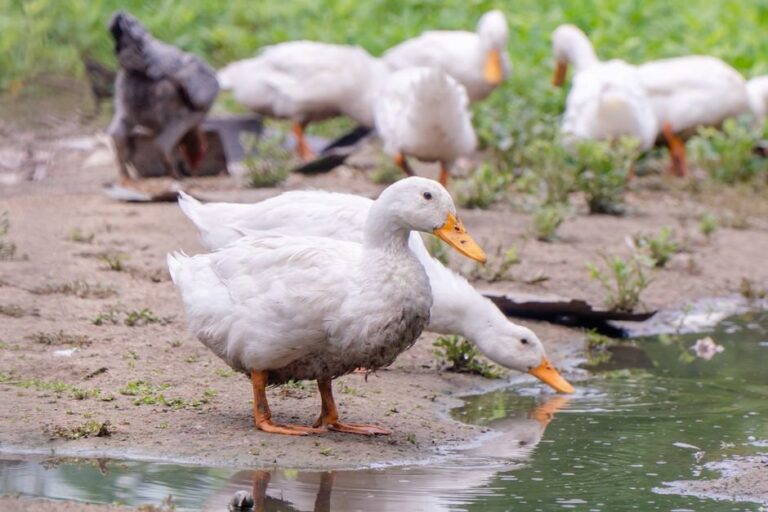
When selecting a duck breed for meat production, several key characteristics come into play. Growth rate is a primary consideration, as you want breeds that mature quickly to minimize feed costs and ensure a timely harvest. Some popular meat duck breeds, such as the Pekin, have fast growth rates, reaching market weight in as little as 7-8 weeks.
Another factor to consider is egg-laying ability. While most people raise ducks for meat, some breeds are prolific layers and may not be ideal choices if you’re looking to focus on raising ducks for consumption. Look for breeds that have a lower or non-existent egg production, such as the Muscovy duck. Temperament also plays a significant role in choosing a breed. Some ducks can be quite aggressive, while others are more docile. If you plan to raise your ducks in close proximity to other animals or people, consider breeds known for their calm nature.
In general, it’s best to choose breeds that excel in one area rather than trying to balance multiple characteristics. For example, if you want a fast-growing duck with good meat quality, the Pekin may be an excellent choice.
Popular Breeds for Meat Production
Khaki Campbell ducks are a popular choice for meat production due to their fast growth rate and high egg-laying capacity. They can produce up to 300 eggs per year, with most of these being fertilizable by drakes. Indian Runner ducks are another breed suitable for meat production, known for their lean meat and moderate growth rate. Muscovy ducks are often used in small-scale farming operations due to their hardiness and ability to thrive in a variety of environments.
When selecting a duck breed for meat production, consider the following factors: growth rate, feed conversion efficiency, and disease resistance. Khaki Campbell ducks grow rapidly, reaching market weight in as little as 8-10 weeks, while Indian Runners take around 12-14 weeks. Muscovy ducks have a slower growth rate but are more resistant to disease.
It’s worth noting that some duck breeds are better suited for meat production than others. For example, Pekin and Moulard ducks are often used in commercial operations due to their rapid growth rate and high breast yield. However, these breeds may not be the best choice for small-scale farmers.
Considerations for Small-Scale Farmers
Small-scale farmers must carefully consider their resources and limitations when choosing a duck breed for meat production. Space requirements are critical, as ducks need at least 2-3 square feet per bird indoors and significantly more outdoors. A small farm with limited space may struggle to accommodate large breeds like Muscovy or Pekin, which require more room to roam.
Feed costs can also be a significant concern for small-scale farmers. Ducks are heavy feeders and require a diet rich in protein, calcium, and vitamins. The cost of feed can quickly add up, especially if you’re raising ducks on a small scale. For example, if you’re planning to raise 10 ducks per year, the annual feed cost could be around $1,500-$2,000.
Market demand is another essential factor for small-scale farmers. You’ll want to choose breeds that are in high demand locally and can command a good price at market. Research your local market to determine which breeds are most popular and profitable. Consider factors like breed characteristics, growth rates, and meat quality when making your decision.
Setting Up a Duck Farm
To start raising ducks for meat, you’ll first need to set up a safe and healthy environment for them to thrive. This includes preparing your land, building a coop, and purchasing essential equipment.
Housing Requirements
Ducks need a safe and comfortable shelter to protect them from extreme temperatures, predators, and harsh weather conditions. The ideal shelter should be well-ventilated to prevent ammonia buildup from droppings. A duck shed or coop can serve as a primary shelter, but it’s essential to consider additional structures for breeding birds, young ducklings, or for those in the process of molting.
Aim for a minimum of 3 square feet per bird inside the coop, with adequate space for nesting boxes (about one per three females) and roosting bars. The roosting bar should be at least 6 inches off the ground to prevent droppings from falling onto the birds’ backs. For larger breeds or those that require more space, you may need to allocate more room.
Hygiene is crucial in duck housing. Clean out the coop regularly, removing soiled bedding and droppings. Replace with fresh bedding material like straw or pine shavings. Ensure adequate airflow by installing windows or vents, but also protect from wind, rain, and direct sunlight. Consider adding a covered run for exercise and outdoor access when possible.
Fencing and Predator Protection
A sturdy fence is essential to safeguard your duck farm from predators and prevent escape. A secure enclosure will also reduce the risk of disease transmission between ducks and neighboring animals. Choose a fence material that can withstand various weather conditions, such as rot-resistant wood or high-density plastic netting.
When selecting a fence height, consider that most predators can jump over 3-4 feet, so it’s best to install fencing at least 5-6 feet tall. Bury the fence posts 12 inches deep to prevent digging animals from burrowing underneath. Ensure the fencing is tightly secured to the ground and surrounding structures.
A single layer of fencing may not be enough; consider adding a second layer of netting or chicken wire to prevent birds like hawks and owls from swooping in. Also, keep in mind that some breeds, such as Muscovy ducks, are naturally more aggressive towards predators due to their strong instincts. Consider these factors when designing your fencing system.
A simple rule of thumb is to install a fence with the following characteristics: sturdy posts spaced 8-10 feet apart, a sturdy bottom section at least 12 inches deep, and two layers of netting or wire for added security. By prioritizing secure fencing, you’ll protect both your ducks and your farm from potential threats.
Water Management and Sanitation
Providing a clean and healthy environment is crucial for the well-being of your ducks. Inadequate water management can lead to stress, disease, and even death. A good rule of thumb is to provide at least 10-15 gallons of water per duck. This means having multiple watering sources to prevent overcrowding.
Water quality is also essential. Ducks are sensitive to nitrates and bacteria in the water, which can cause illness or even kill them. Regularly test your water for pH levels, nitrates, and bacterial contaminants. Consider using a water filter system specifically designed for poultry farming. You’ll need to clean and disinfect the water containers regularly.
Proper sanitation is just as vital. Keep the duck house and surrounding areas free from manure and debris. Set up a separate area for waste disposal, such as a composting toilet or a designated manure storage facility. Regularly inspect your farm for potential health hazards, like standing water that can become breeding grounds for mosquitoes.
Some key sanitation practices include:
- Removing soiled bedding material at least once a week
- Disinfecting feeders and water containers regularly
- Keeping the duck house well-ventilated to prevent ammonia buildup
Nutrition and Feed Planning
When it comes to raising ducks for meat, proper nutrition is crucial for their growth and health. Providing a balanced diet will ensure your ducks develop strong muscles and stay healthy throughout their life cycle.
Understanding Duck Nutrition
Ducks have different nutritional needs at various stages of growth. For starters, ducklings require a diet rich in protein to support their rapid growth and development. A starter feed with 20-24% protein content is typically recommended for the first few weeks after hatching.
As they grow, ducks transition to a grower feed with a slightly lower protein content, around 16-18%. However, this can vary depending on factors such as breed, sex, and intended use. For example, meat-type breeds may require a higher protein diet than laying breeds.
Energy is also an essential consideration in duck nutrition. Ducks need access to adequate energy sources, particularly during periods of rapid growth or when they’re producing eggs. A balanced feed that includes grains like corn, wheat, and oats can provide the necessary energy content.
It’s worth noting that ducks are omnivores and will eat a wide range of plants and insects in addition to their commercial feed. Providing fresh fruits, vegetables, and forages can help supplement their diet and support overall health.
Developing a Feed Plan
When developing a feed plan for your duck flock, it’s essential to consider their nutritional needs. Ducks require a balanced diet that includes protein, energy, and other essential nutrients. A good starting point is to determine the age of your ducks and adjust their feed accordingly. Younger ducks need more protein-rich foods, while older ducks can thrive on less.
For grain sources, you have several options. Some farmers prefer commercial duck pellets or mash, which are formulated specifically for waterfowl. However, these products may be expensive and contain added ingredients you might not want to use. You can also mix your own feed using grains like corn, wheat, and oats. A general rule of thumb is to provide 1-2 parts grain to 1 part protein supplement.
When choosing supplements, consider the nutrient profile of the grain sources you’re using. For example, if you’re feeding a lot of corn, which is low in certain amino acids, you may need to add a supplement that provides these essential nutrients. Some examples of protein-rich supplements include soybean meal and fish meal.
Health and Biosecurity
To raise healthy ducks for meat, you need to understand how to protect them from diseases that can spread quickly through flocks. This section will cover essential health measures and biosecurity practices to get right.
Common Health Issues in Ducks
Respiratory problems are a common issue in ducks, often caused by poor ventilation and high humidity. Prolonged exposure to these conditions can lead to chronic bronchitis and pneumonia, significantly impacting duck health and productivity. To prevent respiratory issues, ensure that your duck house has adequate ventilation, including windows, vents, or fans to circulate air.
Ducks are also susceptible to parasites, such as mites, lice, and fleas, which can be introduced through contaminated feed, water, or dirty living conditions. Regular cleaning of the coop and run, along with monitoring for signs of infestation (e.g., excessive scratching, feather loss), is crucial in maintaining a healthy flock.
Other common health issues include bacterial infections like E. coli and Salmonella, which can contaminate feed and water sources. Implementing strict biosecurity measures, such as separating new birds from the rest of the flock for 30 days and regularly disinfecting equipment and surfaces, can help mitigate these risks.
To identify potential health issues early on, monitor your ducks’ behavior and watch for signs of illness, including labored breathing, lethargy, or changes in appetite. Consult with a veterinarian experienced in poultry care to develop a comprehensive health plan tailored to your specific flock needs.
Implementing Biosecurity Measures
Implementing biosecurity measures is crucial to maintaining a healthy duck flock and preventing disease transmission. Start by setting up a separate area for new ducks when introducing them to the existing flock. This “isolation” area should have its own feeding trough, waterer, and waste management system to prevent cross-contamination.
Regularly clean and disinfect all equipment, including feeders, waterers, and coops. Use a pet-safe disinfectant specifically designed for use around animals, following the manufacturer’s instructions. Remove any visible debris or waste from the coop and surrounding areas on a daily basis.
To minimize external sources of contamination, ensure that visitors wear clean clothing and boots before entering the duck area. This includes yourself, as you can inadvertently transfer bacteria and viruses to the flock without realizing it. Regularly inspect fencing for damage or gaps, sealing any holes with hardware cloth or electric netting to prevent predators from accessing the ducks.
Also consider implementing a “culling” policy for sick or injured birds to prevent the spread of disease within the flock. This requires a clear understanding of common health issues in ducks and the ability to recognize symptoms early on.
Harvesting and Processing
Now that your ducks are mature, it’s time to focus on harvesting their meat. This process is crucial for ensuring a safe and healthy final product.
Preparing for Harvest Time
To prepare for harvest time, you’ll need to schedule a date when all ducks are mature enough for slaughter. A good rule of thumb is to wait until they’re at least 12 weeks old, but this can vary depending on breed and growth rate. You’ll also need to have the necessary equipment, such as a killing cone or a slaughter area with a drain, to humanely kill the birds.
For humane killing, you’ll want to use a sharp knife or a captive bolt gun specifically designed for poultry. A good practice is to have someone experienced in animal handling assist you during the process. The killing method should be quick and as painless as possible, aiming for immediate loss of consciousness.
You may also need to consider the equipment needed for evisceration and cleaning. This can include a sharp knife, a pair of poultry shears, and a container or bucket for storing organs and offal. It’s essential to keep in mind that proper sanitation and hygiene are crucial during this process to prevent contamination and maintain food safety.
Make sure you have enough storage space for the ducks before and after slaughter. This includes a clean and dry area for processing, as well as secure containers for storing meat and offal.
Processing and Storing Meat
When it’s time to harvest your ducks, proper processing and storage practices are crucial to maintain meat quality and ensure food safety. Start by cleaning and preparing the birds for processing: remove feathers, entrails, and feet, and soak them in a saltwater solution to reduce bacterial growth.
Next, eviscerate the carcasses, paying attention to any visible damage or imperfections that could compromise the meat’s quality. Humanely kill the ducks just before processing to minimize stress and prevent spoilage.
Packaging is also critical: wrap each portion of meat individually in breathable material like paper or muslin, then place them in airtight containers or vacuum-seal bags. Label each package with the date, contents, and any relevant handling instructions.
For storage, keep the meat refrigerated at 40°F (4°C) or below within two hours of processing. Consider using a temperature-controlled environment like a walk-in cooler or a chest freezer to maintain optimal conditions. Regularly check stored meat for visible signs of spoilage, such as off odors, slimy texture, or mold growth, and discard any affected portions promptly.
Frequently Asked Questions
Can I raise ducks for meat in a small backyard?
Yes, raising ducks for meat is possible in a small backyard if you have enough space to provide a suitable enclosure and meet their nutritional needs. Consider the local regulations and ensure that your backyard setup meets the necessary standards for animal welfare.
What happens if I notice signs of disease or illness in my flock?
If you notice any signs of disease or illness in your flock, it’s essential to act quickly to prevent further spread. Consult with a veterinarian experienced in poultry health to identify the issue and develop an action plan to contain and treat the affected ducks. Quarantine the infected animals and implement strict biosecurity measures to protect the rest of the flock.
How do I ensure that my ducks have access to clean water at all times?
Ducks need access to clean water for drinking, swimming, and maintaining their feathers. Ensure that your water system is designed with easy cleaning and maintenance in mind. Change the water frequently, and consider installing a water filtration system or using a floating skimmer to reduce debris.
Can I use leftover vegetables from my garden as feed for my ducks?
While it’s tempting to reuse leftover vegetables from your garden as duck feed, avoid doing so due to potential contamination risks. Stick to commercial duck feed or provide healthy alternatives like oats, barley, and sunflower seeds, which are nutritionally balanced and less likely to harbor pathogens.
What if I encounter problems with predators attacking my flock at night?
If you’re experiencing issues with predators attacking your flock at night, consider investing in a secure enclosure with netting or mesh to prevent escape and predator entry. Also, implement lighting measures like motion-sensitive lights or infrared cameras to deter nocturnal predators.