Living off the land, growing your own food, and relying on renewable resources may seem like a fantasy to many, but with the right mindset and preparation, you can achieve true self-sufficiency. For those looking to break free from dependence on external systems and live in harmony with nature, homesteading is not just a hobby or a lifestyle choice, it’s a necessity. Assessing your readiness for this journey requires careful consideration of factors like land, resources, and personal skills – but the rewards are well worth the effort. A healthy ecosystem is the backbone of any successful homestead, and that means understanding how to maintain soil health, manage water effectively, and create a balanced environment that supports all life. This guide will cover everything from assessing your readiness to maintaining a thriving ecosystem, giving you the tools and knowledge to achieve true independence and live the self-sufficient lifestyle.
Understanding Self-Sufficiency
Achieving self-sufficiency requires a deep understanding of your needs and resources, which is where our exploration of essential skills begins. We’ll start by breaking down what it means to be truly independent.
Defining Self-Sufficiency in Modern Times
Self-sufficiency is often associated with a romanticized vision of pioneer living, but its relevance extends far beyond rural landscapes. In modern times, self-sufficiency is about taking control of one’s resources and relying on oneself rather than external systems. This approach offers several benefits, including reduced reliance on public utilities, lower expenses, and increased food security.
However, achieving self-sufficiency also comes with challenges. Urban homesteaders may face space constraints, while rural residents might struggle with unpredictable weather patterns or limited access to specialized knowledge. To overcome these obstacles, it’s essential to define what self-sufficiency means for your specific situation and goals.
Consider the three primary aspects of self-sufficiency: energy, water, and food production. For urban homesteaders, this might involve using rainwater harvesting systems or investing in solar panels. Rural residents may focus on building a well or implementing efficient irrigation techniques for their gardens. By prioritizing these core areas, you can create a tailored approach to self-sufficiency that addresses your unique needs and circumstances.
Ultimately, modern self-sufficiency is about adapting traditional principles to contemporary realities. By understanding the benefits and challenges of this lifestyle, you can begin creating a more sustainable, resilient homestead that thrives on its own terms.
History of Self-Sufficiency and Its Influence on Homesteading
Self-sufficiency has its roots in ancient civilizations, where people relied on their own skills and resources to survive. In ancient Greece and Rome, for example, citizens were expected to contribute to the community’s well-being by producing their own food, collecting firewood, and tending to public spaces. Similarly, during the Middle Ages, peasants in Europe practiced subsistence farming, growing most of their own food and relying on local markets for occasional purchases.
The concept of self-sufficiency continued through the centuries, with many European homesteaders adopting a similar approach. In the 19th century, American pioneers brought this tradition to North America, where it merged with native agricultural practices. The early 20th century saw the rise of the back-to-the-land movement, which emphasized self-reliance and simple living.
Today’s homesteading movement draws inspiration from these historical roots. Modern homesteaders often adopt a mix of traditional and innovative approaches to meet their needs, incorporating renewable energy, permaculture principles, and other sustainable practices into their lifestyle. By understanding the history of self-sufficiency, homesteaders can tap into this rich heritage and create a more resilient, independent way of living.
Assessing Your Readiness for Self-Sufficient Living
Before you start planning your self-sufficient homestead, take a step back and assess whether you’re truly ready to live off the land. This involves evaluating your skills, resources, and mindset.
Evaluating Your Resources: Land, Skills, and Finances
When assessing your potential for self-sufficiency, it’s essential to evaluate what you have available in terms of land, skills, and financial resources. Let’s start with land: do you own or rent a property that can accommodate your homesteading goals? Consider the size and quality of the land, as well as any zoning restrictions that may impact your plans.
Next, take stock of your skills. What are you proficient in, and what skills do you need to develop for self-sufficiency? For example, if you’re new to gardening, start by learning about basic crop rotation, soil preparation, and pest management. You can also consider taking online courses or workshops to improve your skills.
Financial resources are just as crucial as land and skills. Calculate your monthly expenses and compare them to your income. Consider the costs of equipment, tools, and materials needed for self-sufficiency, such as a water filtration system or solar panels. A general rule of thumb is to save at least 10-20% of your income each month for homesteading expenses.
When evaluating these resources, remember that it’s not about having everything right now – it’s about making progress and being willing to adapt as you learn and grow.
Identifying Your Goals and Priorities
Identifying what aspects of self-sufficiency are most important to you is crucial for setting a clear direction and focus for your homesteading journey. This involves considering various areas such as food production, energy independence, water management, and waste reduction. Start by making a list of these priorities and ranking them in order of importance.
For instance, if you have limited space or resources, you may prioritize growing a small garden over raising livestock. Alternatively, if energy costs are high in your area, you might focus on installing solar panels or investing in renewable energy sources. Consider your climate, available land, and financial constraints when determining what goals to pursue first.
To further clarify your priorities, ask yourself questions like: What are my non-negotiables? What aspects of self-sufficiency will bring me the most joy and satisfaction? How can I integrate multiple goals into a cohesive plan? By thoughtfully addressing these questions and continually assessing your progress, you’ll be able to refine your objectives and make intentional decisions about how to allocate your time, resources, and energy towards achieving self-sufficiency.
Building a Self-Sufficient Homestead
As you work towards becoming a self-sufficient homesteader, one of the most crucial steps is to build a sustainable source of food and water on your property. This section will walk you through the process of creating a thriving garden and harvesting rainwater.
Designing Your Homestead: Layout and Infrastructure
Thoughtful homestead design is essential for maximizing space, efficiency, and productivity. When planning your layout, consider the natural movement of sunlight and wind to minimize shading and maximize ventilation. This can be achieved by orienting buildings and pathways according to the sun’s path and prevailing winds.
Infrastructure should also be carefully planned to support self-sufficiency. For example, a rainwater harvesting system requires a dedicated collection area, storage tanks, and filtration systems. Consider installing solar panels or wind turbines to generate renewable energy, but ensure they are properly integrated into your overall design. A small, efficient house with a large garden can be more sustainable than a sprawling estate.
Some key elements to consider include:
• Locating the kitchen near the garden to reduce food transportation
• Placing water storage and treatment facilities near the house for easy access
• Incorporating composting toilets or other low-water options for sanitation
• Leaving space for future expansion and adaptation to changing needs
By incorporating these considerations into your design, you can create a functional, efficient, and sustainable homestead that supports your self-sufficient lifestyle.
Choosing the Right Tools and Equipment for Self-Sufficiency
When it comes to self-sufficiency, having the right tools and equipment can make all the difference. For gardening, you’ll need a sturdy shovel for digging, a rake for soil preparation, and a watering can or hose for efficient irrigation. Consider investing in a garden cart or wheelbarrow for easy transport of heavy loads.
For animal husbandry, essential items include fencing materials, such as wire mesh or wooden posts, to create secure enclosures. You’ll also need feeders, water troughs, and possibly a milking machine if you’re raising dairy animals. Don’t forget about the health and hygiene aspects – invest in a thermometer for monitoring animal temperatures and a first-aid kit specifically designed for livestock.
For food preservation, you’ll require equipment like canners, pressure cookers, or dehydrators to process fruits, vegetables, and meats. A good quality water bath canner is ideal for beginners, while more experienced homesteaders might opt for a pressure canner. When it comes to tools, a sharp knife, cutting board, and utensils are must-haves for any food preservation project.
Producing Your Own Food
Growing and harvesting your own food is a fundamental aspect of self-sufficient living, providing sustenance for you and your loved ones. In this section, we’ll explore the essential steps to start producing your own food at home.
Starting a Homestead Garden: Planning and Implementation
When planning a homestead garden, it’s essential to choose crops that thrive in your local climate and soil conditions. Start by observing the sun patterns on your land, as some plants require full sun while others prefer partial shade. Consider the mature size of each plant to ensure proper spacing and avoid overcrowding. Incorporate a mix of annuals and perennials for a balanced harvest throughout the growing season.
Soil preparation is also crucial for a productive homestead garden. Test your soil type (clay, silt, sand) and pH level using a DIY kit or consulting with a local nursery expert. Based on the results, amend your soil with organic matter like compost or manure to improve its fertility and structure. For example, adding compost can help retain moisture, suppress weeds, and support beneficial microbes.
Before planting, also consider crop rotation strategies to maintain soil health and prevent pest buildup. Some common rotations include alternating between vegetables, fruits, and legumes. By carefully selecting crops and preparing the soil, you’ll set your homestead garden up for success and enjoy a bountiful harvest year after year. This not only reduces reliance on external resources but also fosters a more resilient food system.
Raising Animals for Meat, Dairy, and Eggs
When it comes to raising animals for meat, dairy, and eggs, several factors come into play. Breed selection is crucial, as different breeds are suited to various climates, management systems, and production goals. For example, dual-purpose breeds like the Sussex chicken or the Jersey cow can provide both meat and dairy products.
Nutrition is another essential consideration. Animals require a balanced diet that includes high-quality feed, access to clean water, and adequate space for exercise. A well-planned feeding program can help reduce costs and improve animal health. For instance, many small-scale farmers use rotational grazing techniques to ensure their animals have access to fresh pasture.
Regular health checks are also vital to maintaining the overall health of your animal stock. This includes monitoring for signs of disease or parasites, as well as providing vaccinations and parasite control measures as needed. A small flock or herd can be particularly vulnerable to disease, making it essential to implement a robust health management plan.
Key considerations when selecting breeds include climate adaptation, feed efficiency, and temperament. Researching the specific needs of different breeds will help you make informed decisions about which animals to raise on your homestead.
Managing Your Water and Energy Needs
As you strive for self-sufficiency, it’s essential to manage your water and energy needs effectively, which means finding reliable sources of both that won’t break the bank.
Collecting and Conserving Rainwater
Collecting and conserving rainwater is a crucial aspect of self-sufficiency, providing a sustainable source of water for irrigation, household use, and even drinking. The first step in collecting rainwater is to install a gutter system on your roof, which directs the water into a downspout and then into a storage tank. You can use a variety of materials for the gutters and downspouts, including metal, plastic, or wood.
It’s essential to ensure that the storage tank is clean and free from contaminants before filling it with rainwater. Consider adding a first flush device to divert debris and sediment from the roof during heavy rainfall events. This prevents contaminants from entering the storage tank.
A typical rainwater collection system includes a filter to remove particulate matter and debris, as well as a treatment process to disinfect the water for safe use. For irrigation purposes, you can also add a sedimentation chamber to further improve water quality. When designing your rainwater harvesting system, consider factors such as roof size, rainfall patterns, and storage capacity to ensure optimal efficiency.
Harnessing Renewable Energy: Solar, Wind, and Hydro Power
When it comes to generating energy on a homestead, renewable sources are often the most appealing option. Solar power is one of the most accessible and cost-effective choices, especially for smaller properties or those with limited space. A typical solar panel system can provide anywhere from 50% to 100% of a homestead’s electricity needs, depending on the size of the installation.
Wind power, another popular renewable energy source, relies on wind turbines to capture kinetic energy and convert it into electricity. While initial setup costs for wind turbines can be higher than those for solar panels, they offer greater potential long-term savings in areas with high wind speeds. Hydro power, which harnesses the energy of moving water, is often more complex to implement but can provide a reliable source of renewable energy for homesteads situated near rivers or streams.
When evaluating these options, consider factors like your property’s topography, climate, and available resources. A thorough site assessment will help you determine which type of renewable energy system best suits your needs. For example, solar panels perform optimally in areas with direct sunlight, while wind turbines prefer open spaces with consistent wind patterns.
Preserving Food for Year-Round Availability
To ensure a steady supply of fresh produce, we’ll explore methods for preserving food through various techniques and strategies that work for both beginners and experienced homesteaders. From canning to freezing, there’s an approach to suit every need.
Canning, Freezing, and Dehydrating: Methods and Best Practices
When it comes to preserving food for year-round availability, understanding the basics of canning, freezing, and dehydrating is crucial. These methods allow you to extend shelf life and enjoy fresh produce during periods when it’s out of season.
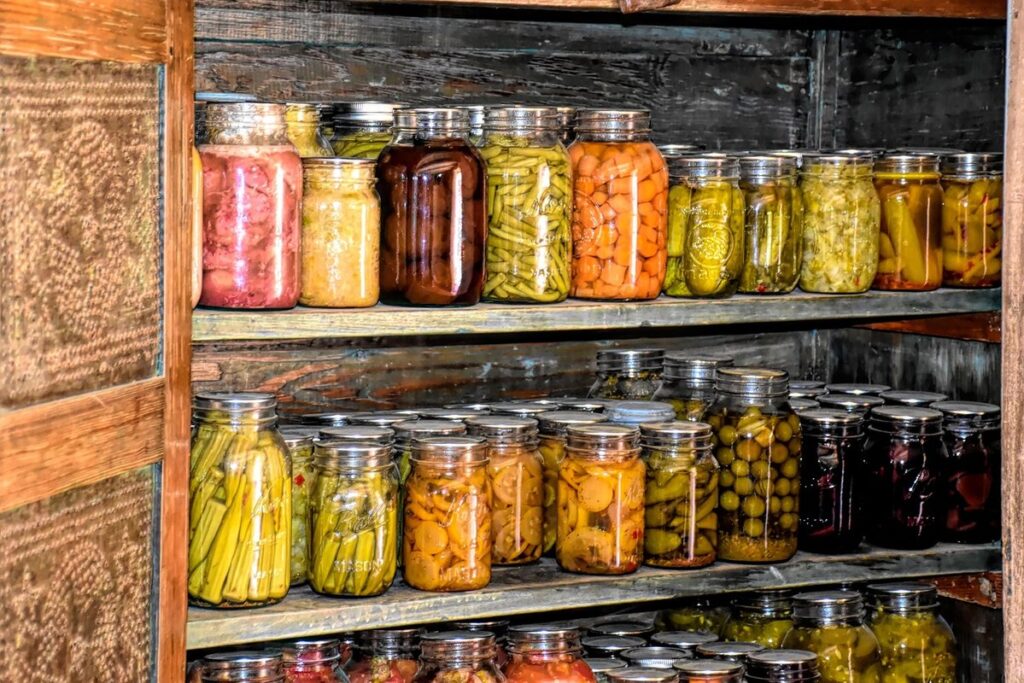
Canning involves heating food to a high temperature to kill off bacteria and other microorganisms, then sealing it in airtight jars or containers. This method works best for high-acid foods like fruits, tomatoes, and pickled vegetables. To can safely, always follow tested recipes and guidelines from reputable sources, such as the USDA’s Complete Guide to Home Canning.
Freezing is another effective way to preserve food. Simply blanch your produce in boiling water or steam to inactivate enzymes that cause spoilage, then chill it quickly and store it at 0°F (-18°C) or below. Frozen foods can be just as nutritious as fresh ones, with the added benefit of being lightweight and easy to store.
Dehydrating, or drying food, is a low-tech method that involves removing moisture from fruits, vegetables, and meats using heat, air flow, or vacuum pressure. This helps prevent bacterial growth and maintains nutritional value. Dehydrate foods can be stored for extended periods, making it an ideal option for emergency preparedness and long-term storage.
When dehydrating, consider the food’s water content and choose the right method: air drying (e.g., using a food dehydrator) or sun drying (with proper protection from pests and contamination).
Fermenting Foods: A Guide to Traditional Preservation Methods
Traditional fermentation methods offer a simple and effective way to preserve foods while retaining their nutritional value and flavor. Lacto-fermentation is one such method, where natural bacteria on the food’s surface feed on its sugars, producing lactic acid as a byproduct. This process creates an acidic environment that inhibits the growth of pathogens, allowing for long-term storage.
To lacto-ferment vegetables like cabbage or carrots, you’ll need to create a brine solution with salt and water. The ideal ratio is 5% salt to 95% water. Pack the prepared vegetables tightly into a jar, leaving about an inch at the top. Pour the brine over them, making sure they’re completely submerged.
Sauerkraut making is another popular fermentation method that involves shredding cabbage and allowing it to ferment in its own juice. This process can take anywhere from 3-6 weeks, depending on factors like temperature and salt content. Regularly check the sauerkraut for signs of fermentation, such as bubbles or a tangy smell.
Some essential tips for successful fermentation include using clean equipment, maintaining a consistent temperature between 64°F to 75°F (18°C to 24°C), and monitoring the fermentation process regularly. By following these guidelines, you can enjoy delicious and nutritious fermented foods throughout the year.
Maintaining a Healthy and Resilient Homestead Ecosystem
A thriving homestead ecosystem is built on more than just self-sufficiency, it also requires intentional care and maintenance to ensure its resilience in times of need. This means tending not just to your land, but also to the relationships within it.
Understanding Permaculture Principles for a Balanced Ecosystem
Permaculture is a design system that aims to mimic nature by creating regenerative and self-sustaining ecosystems. At its core, permaculture is about working with, rather than against, the natural environment. By applying permaculture principles, you can create a balanced and resilient homestead ecosystem that minimizes waste, conserves resources, and promotes biodiversity.
One key principle of permaculture is observing and imitating natural patterns. This means designing your garden to take advantage of sunlight, water flow, and soil health, just as nature does. For example, a south-facing slope can be used for growing sun-loving plants like tomatoes, while a shadier area can be reserved for shade-tolerant plants like lettuce.
Another important principle is zoning, which involves dividing the homestead into different areas based on their functional needs. This might include a food-producing zone, a resource-gathering zone, and a waste-management zone. By organizing your space in this way, you can reduce travel time, conserve energy, and create a more efficient system.
Some key permaculture practices to consider when designing your homestead ecosystem include:
• Creating diverse polycultures that mimic natural ecosystems
• Using rainwater harvesting and grey water systems to conserve water
• Incorporating composting toilets and worm farms for nutrient cycling
• Designing for wildlife habitat and biodiversity
Managing Pests, Diseases, and Weeds in Your Garden
When managing pests, diseases, and weeds in your garden, it’s essential to adopt an integrated pest management (IPM) approach. This means minimizing external inputs like chemical pesticides and herbicides, which can harm beneficial insects, contaminate soil, and even poison waterways. Instead, focus on creating a balanced ecosystem that promotes healthy plant growth.
Start by observing your garden closely. Identify the types of pests, diseases, and weeds you’re dealing with, and research their specific needs. For example, some pests like aphids can be controlled using neem oil or insecticidal soap, while others like slugs may require physical barriers or traps. Similarly, certain diseases like powdery mildew can be treated with copper-based fungicides, but it’s essential to use these judiciously.
Some simple yet effective strategies include companion planting, crop rotation, and mulching. For instance, planting marigolds alongside tomatoes can deter nematodes, while rotating crops can break disease cycles. Mulch helps retain moisture, suppress weeds, and regulate soil temperature. By adopting these IPM techniques, you’ll not only reduce your reliance on external inputs but also create a more resilient garden ecosystem that’s better equipped to handle future challenges.
Frequently Asked Questions
What if I don’t have enough land to implement all the self-sufficiency strategies mentioned in this guide?
You can still start small and focus on one or two areas, such as growing your own food or collecting rainwater. As you gain experience and confidence, you can gradually expand your efforts to other aspects of self-sufficiency. Prioritize your goals and start with what’s feasible for your situation.
Can I combine different self-sufficient activities in a way that doesn’t fit the typical homestead model?
Yes. The idea of self-sufficiency is not one-size-fits-all, and you can adapt strategies to suit your unique circumstances. For example, you might integrate urban agriculture with renewable energy systems or focus on preserving food through fermentation rather than canning.
How do I balance my goals for self-sufficiency with the needs of my family members who may have different priorities?
Open communication is key when it comes to balancing individual priorities within a household. Involve all family members in the decision-making process and discuss how you can work together to achieve shared goals while respecting each other’s differences.
Can I use this guide as a blueprint for creating a self-sufficient community or neighborhood?
While this guide provides valuable insights into individual self-sufficiency, its focus is on personal development rather than large-scale community projects. However, the principles and strategies outlined can be adapted and applied to communal settings with careful planning and collaboration among members.
What if I encounter significant setbacks or failures in implementing my self-sufficient plans – will it be worth continuing?
Yes. Self-sufficiency is a learning process that involves trial and error. Don’t give up if you encounter challenges; instead, use them as opportunities to learn and adapt your approach. Focus on the progress you’ve made so far and the lessons you can apply to future endeavors.