Honey bee swarms are a natural part of a colony’s life cycle, yet they can be both fascinating and intimidating to observe. You may have seen a swarm emerge from a nearby hive or noticed bees clustering on a tree branch in your garden. But what triggers this behavior, and how can you prevent it? Understanding the causes and signs of swarming is crucial for beekeepers, as it allows them to take proactive steps to manage their colonies and avoid potential disruptions to local ecosystems. In this article, we’ll explore the reasons behind honey bee swarming, how to identify early warning signs, and effective management techniques to prevent or respond to swarm events effectively. By the end of this guide, you’ll have a deeper understanding of swarming and be equipped with practical knowledge to manage your own honey bee colonies.
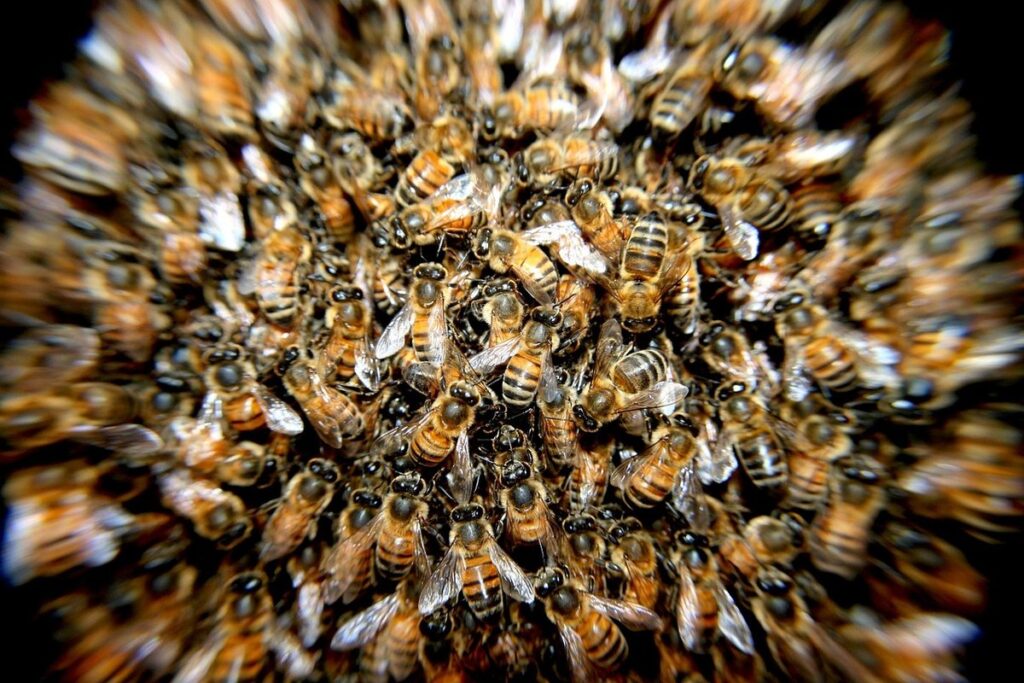
The Science Behind Honey Bee Swarming
Honey bee swarms are a complex phenomenon, and understanding the underlying biology is key to appreciating their behavior. This intricate process involves a combination of instinct, communication, and timing.
What Triggers a Swarm
Honey bee swarms are triggered by a combination of factors that create an environment conducive to colony growth and reproduction. One key factor is the size of the colony itself; typically, colonies with 30,000 to 60,000 bees are more likely to swarm. This is because they have reached maximum capacity and need to reproduce.
Food availability also plays a significant role in triggering swarms. Bees require an abundance of nectar-rich flowers to produce excess brood (immature bees), which can then be split off into new colonies. Environmental conditions, such as temperature fluctuations, precipitation patterns, and wind direction, can also influence the likelihood of a swarm.
For example, a prolonged drought or extreme heat wave may stress the colony and trigger a swarm event. Conversely, a cool, wet spring may delay swarming until more favorable conditions return.
Colony age is another factor; established colonies are more likely to swarm than younger ones. This is because older colonies have built up a robust population and can sustain the loss of bees during the swarming process.
Life Cycle of a Queen Bee
A queen bee’s life cycle plays a crucial role in triggering swarms. Queens are responsible for laying eggs and ensuring the colony’s growth. However, they have a limited lifespan of about one to three years, depending on various factors such as nutrition, disease, and genetic predisposition.
During her first year, a new queen will typically replace an aging or failing queen. This process is known as supersedure, where multiple queens develop in the colony’s brood nest. The oldest and healthiest of these queens will often emerge from their cells to take over and start laying eggs.
As the queen ages, her pheromone production slows down, signaling to the worker bees that it’s time for a new queen. This decline in pheromones triggers the development of new queens within the brood nest. In preparation for swarming, a queen will often slow down her egg-laying activities and focus on developing new queens.
The colony’s population growth and the queen’s pheromone production are closely linked. When the queen’s pheromones drop below a certain threshold, worker bees start preparing cells for new queens to emerge. This process is crucial for the colony’s survival as it ensures the continuation of the species.
Preparation for Swarming
In preparation for swarming, significant changes occur within the hive. One of the first signs is reduced egg-laying by the old queen. As the swarm approaches, she lays fewer eggs to ensure the existing brood has enough resources before leaving. This decrease in egg production signals the colony’s focus on producing new bees that will accompany the swarm.
Meanwhile, a new brood of workers emerges from cells built within the hive. These young bees are fed royal jelly and develop into larger, more robust individuals. They are tasked with caring for the developing brood and preparing the swarm to depart. You may notice increased guard activity during this time as well; experienced foragers will take up positions near the entrance, monitoring the environment and protecting their colony from potential threats.
The combination of reduced egg-laying and new brood production indicates that your bees are gearing up for a swarm event. This is also an opportunity to inspect your hive and identify any issues that may be contributing to the impending departure. By recognizing these signs early on, you can take steps to manage your colony’s swarming behavior and potentially prevent or delay the event altogether.
Recognizing the Signs of Swarming
As a beekeeper, it’s crucial to recognize the signs that your hive is preparing for swarming, as this can be a major indication that action needs to be taken to prevent colony loss. Watch for increasing numbers of bees around the hive entrance and scout bees checking out potential swarm sites nearby.
Visual Cues for Swarm Cells
Swarm cells are typically located on the face of a frame, usually near the center of the brood nest. They appear as small, irregularly shaped patches of bees clustered around a cell. These cells are often larger than regular honeycomb cells and may have a slightly rougher texture.
Look for swarm cells to be situated away from the brood pattern, sometimes on the edge of an existing frame or even on a new one. Bees will often draw these cells hastily, leaving behind incomplete or abandoned combs in their wake. The bees within a swarm cell are usually more agitated and restless than those in regular cells.
When inspecting for swarm cells, it’s essential to gently remove any obstructions, like frames or supers, to allow easy access to the brood nest. This will help you spot these telltale signs of swarming activity.
In a mature hive, it’s not uncommon to find multiple swarm cells scattered throughout the brood nest. Bees may even create new ones after a swarm has departed, as they often continue to prepare for another potential departure.
Behavioral Changes Before Swarming
As a swarm approaches, you’ll often notice significant changes in honey bee behavior. One of the first signs is increased flying activity within and around the colony. Bees are naturally inclined to fly more during warm weather, but before swarming, this trend becomes even more pronounced. You may see many bees buzzing around the hive entrance, scouting potential swarm sites, or simply exercising their wings.
Foraging also tends to decrease in the days leading up to a swarm. This is because the colony’s energy focus shifts from gathering nectar and pollen to preparing for the impending split. Bees will often store excess food resources within the hive to sustain themselves during the swarm process.
Social dynamics within the colony also undergo significant alterations before swarming. The queen bee, typically calm and docile, becomes more aggressive as she prepares to lead her new colony. Worker bees may become more defensive and territorial, fending off intruders or perceived threats. In some cases, you might even observe a “guarding” behavior at the hive entrance, where specific bees take turns monitoring the surroundings for potential dangers.
In terms of practical observations, keep an eye out for these behavioral changes in your colony’s daily activities.
Timing of a Swarm Event
A swarm event is triggered by a complex interplay of factors, but timing plays a crucial role. Weather conditions, such as temperature and humidity, can significantly impact the timing of swarming. In ideal conditions – typically during warm, sunny days with moderate temperatures (around 55°F to 60°F) – a queen bee will emerge from her swarm cell within a few hours after sunrise.
Food availability also plays a critical role in determining when a colony is ready to swarm. A strong, well-fed colony is more likely to swarm than one struggling to find adequate resources. Typically, this means swarms occur during the spring or early summer, when nectar flows are at their peak and bees have an abundance of food to fuel their growth.
Colony strength is another essential factor in determining the timing of a swarm event. A colony must reach a certain level of maturity before it can produce a viable swarm. This usually occurs 6-8 weeks after a new queen has emerged, when the colony has built up sufficient stores and the population has grown to around 10,000-15,000 bees.
A strong, well-managed colony will often swarm in late morning or early afternoon, avoiding the hottest part of the day.
Understanding Swarms: A Beginner’s Guide
So, you want to know what swarming is all about? This beginner’s guide will walk you through the ins and outs of why honey bees swarm, and how it affects their colonies.
What is a Honey Bee Swarm?
A honey bee swarm is a group of honey bees led by a new queen, typically consisting of tens of thousands of worker bees and a few hundred drones. This swarm emerges from its parent colony when it reaches peak population size, usually around 2-3 years after the original queen’s emergence. The purpose of swarming is to ensure the survival of the species by creating new colonies that can thrive in different environments.
When a swarm leaves its parent colony, it takes with it a significant portion of the existing brood and foragers, allowing the new colony to establish itself quickly. This process allows honey bees to rapidly expand their territory and adapt to changing environmental conditions.
Swarming is an essential part of honey bee biology, as it enables colonies to reproduce and maintain genetic diversity. Without swarming, individual colonies would eventually become inbred and lose their ability to adapt to challenges such as disease, pests, and climate change. By understanding what a swarm is and why it happens, beekeepers can better manage their colonies and prevent unwanted swarms from occurring.
How Do I Know if My Bees are Preparing to Swarm?
When inspecting your colony for signs of swarming, pay close attention to the brood pattern and queen activity. A common indication is the presence of swarm cells, typically found on the faces of frames or in the corners of the hive. These cells are usually capped with a thin layer of wax and contain a larva that has been fed royal jelly by the bees. If you notice multiple swarm cells or see the queen consistently laying eggs in them, it’s likely your colony is preparing to swarm.
Look for changes in the queen’s behavior as well. A swarming queen will often be more active during the day and may even leave the hive temporarily. You might also observe her being escorted by a large number of worker bees. Furthermore, a decrease in egg-laying or an increase in nurse bee activity can signal that your colony is preparing to swarm.
Keep in mind that some colonies are more prone to swarming than others. Factors such as strong growth rates, ideal location, and adequate space within the hive can all contribute to the likelihood of a swarm event. Regular inspections will help you stay on top of these signs, allowing you to take proactive steps to manage your colony’s swarming behavior.
What Should I Do When I Notice Swarming Signs?
When you notice swarming signs, it’s essential to act quickly and decisively. First, confirm that a swarm is imminent by observing multiple queen cups or swarm cells in the hive. This usually happens 7-10 days before the actual swarm. You can also look for increased foraging activity, as bees will often gorge on food before leaving.
To prevent swarming, consider splitting your colony to reduce congestion and give the new queen space to establish herself. The ideal time for splitting is when the hive has at least one frame of brood and a strong nectar flow. This way, you can maintain a balanced population and direct energy towards honey production rather than reproduction.
If a swarm does occur, don’t panic – it’s actually an opportunity to strengthen your colony by capturing the swarm and reuniting them with their mother hive. You can use a swarm trap or a nuc box to capture the bees, which will help you preserve genetic diversity and prevent potential issues like queen loss or disease transmission.
Managing Honey Bee Swarms: Techniques and Considerations
When it comes to managing honey bee swarms, understanding the right techniques and considerations can make all the difference in keeping your colony healthy. Effective swarm management involves a delicate balance between protecting the bees and preserving their well-being.
Capturing a Swarm
Capturing a swarm requires careful planning and the right equipment to ensure the safety of both you and the bees. A beekeeping suit, veil, and gloves are essential for protecting yourself from stings. You’ll also need a swarm trap or a nuc box to capture the swarm and provide it with food and space.
Before capturing the swarm, inspect the area where the bees have landed to ensure there are no people or pets nearby that could be disturbed by the bees’ agitation when they’re handled. Check for any nearby escape routes, such as open doors or windows, that could allow the bees to flee during transportation.
When preparing to capture a swarm, position your equipment near the swarm, but not so close that you startle them further. Gently encourage the bees into their new home using smoke and by sprinkling sugar water around the entrance of the trap or nuc box. If the swarm is particularly aggressive, consider bringing in additional help from an experienced beekeeper.
Once the swarm has settled into its new home, inspect the equipment for any damage and ensure that the bees have sufficient food stores to sustain them until you can introduce them to a permanent hive.
Preventing Swarming in the First Place
To prevent swarming, it’s essential to identify and address potential triggers early on. One strategy is to split a strong, growing colony into two or more smaller ones. This reduces competition for resources and space within the hive, making it less likely that the bees will create swarm cells. However, this approach requires careful consideration of the timing and size of the splits.
Another key factor in preventing swarming is maintaining a healthy queen presence. If the queen is too old or her pheromone levels are declining, she may signal to the colony that it’s time to swarm. Replacing an aging queen with a younger one can help keep the colony stable.
Good hive management practices also play a crucial role in preventing swarming. This includes ensuring proper ventilation, maintaining clean and organized hives, and monitoring for signs of disease or pests. Regular inspections allow beekeepers to identify potential issues before they become major problems. Bees will often swarm if their home becomes unbearable due to conditions like overcrowding, heat, or poor air quality.
To implement these strategies effectively, it’s helpful to know the specific needs of your colony and adjust management practices accordingly.
Post-Swarm Hive Management
After a swarm event, it’s essential to reassess the strength of your hive and make adjustments as needed. This involves evaluating the number of bees present, the quality of their brood, and the overall colony health. A strong colony typically has a population of at least 40,000-50,000 bees, with an abundance of stored honey and pollen.
To adjust foraging patterns, monitor your hive’s food stores closely. If you notice a significant drop in honey or pollen levels, consider adding supplements to ensure the colony remains well-fed. You may also need to reevaluate the location of your hive, taking into account factors like sunlight, wind direction, and nearby vegetation.
Maintaining optimal conditions involves ensuring proper ventilation, temperature control, and humidity management within the hive. Check for signs of overcrowding or congestion, which can lead to disease and pest issues. Trim back any overgrown vegetation surrounding the hive entrance to prevent pests from taking up residence.
Aim to maintain a balance between colony growth and resource availability. Regularly inspect your hive to identify potential problems early on, and take corrective action before they become major issues. By doing so, you’ll help your colony recover from the swarm event and thrive in the long term.
Advanced Considerations for Swarm Management
As you’ve learned more about swarming honey bees, it’s essential to consider advanced strategies for managing these colonies effectively. This includes factors like space constraints and queen replacement techniques.
Genetic Diversity and Swarming
A colony’s genetic diversity is crucial for its resilience and ability to adapt to changing environments. When a honey bee colony swarms, it takes with it only a subset of the parent colony’s genetic makeup. This can lead to a reduction in genetic diversity, which may weaken the swarm’s potential to survive and thrive.
In reality, many swarming events occur when a colony has reached an optimal balance between genetic diversity and the presence of “swarm cells” – specialized groups of bees that are preparing for departure. If a colony is too genetically diverse, it can be harder for individual bees to communicate effectively with one another, potentially leading to more frequent swarming.
To maintain or increase genetic diversity within a colony, beekeepers can adopt strategies such as introducing new queens from different lineages, rotating different nectar sources and flowering plants in the surrounding area, or even relocating the hive to a different location. These actions promote genetic mixing while avoiding unnecessary stress on the bees.
Integrated Pest Management (IPM) Strategies
When managing honey bee swarms, it’s essential to consider the role of Integrated Pest Management (IPM) strategies. IPM approaches prioritize a holistic approach to pest and disease management, recognizing that a single method often won’t effectively address complex issues.
A key aspect of IPM is identifying the underlying causes of pest or disease problems in your colony. This might involve monitoring for pests like mites, small hive beetles, or wax moths, as well as diseases like American Foulbrood or Nosema. Once you’ve identified the issue, you can implement targeted control methods.
Some effective IPM strategies include:
- Regular inspections to catch problems early
- Using a combination of chemical and non-chemical controls (e.g., essential oils, diatomaceous earth)
- Implementing good sanitation practices (e.g., cleaning equipment, removing debris)
- Encouraging beneficial insects like ladybugs or lacewings
By adopting an IPM approach, you can create a healthier colony that’s less likely to swarm due to pest or disease stress. This proactive management also helps reduce the risk of introducing invasive pests or diseases into your area.
Emerging Trends in Swarm Research and Technology
Advances in monitoring systems have significantly improved our ability to detect and manage swarms. Researchers are exploring novel ways to track queen activity, such as using pheromone sensors to detect changes in chemical signals within the hive. These sensors can alert beekeepers to potential swarming behavior before it occurs.
Another area of focus is the development of advanced management tools, like artificial intelligence-powered swarm prediction software. This technology analyzes historical data and real-time sensor readings to forecast when a colony may swarm. By providing beekeepers with actionable insights, these tools enable more proactive management strategies.
Some examples of emerging technologies being studied include drones equipped with thermal imaging cameras to detect swarm cells, as well as nanotechnology-based sensors for monitoring queen pheromones in the hive. While still in the experimental phase, such innovations hold promise for enhancing our understanding and control over honey bee swarming behavior.
Researchers are also investigating the potential of machine learning algorithms to identify patterns in colony behavior that may indicate a swarm is imminent.
Frequently Asked Questions
What If I Notice Swarming Signs in My Bees But It’s Not Time for Them to Swarm?
Yes, it’s possible for bees to exhibit swarming behavior even when they’re not due to swarm. This can be caused by factors such as overcrowding, poor nutrition, or disease within the colony. Monitor your bees’ behavior closely and adjust management practices accordingly.
How Do I Know If a Captured Swarm is Healthy Enough to Keep?
When capturing a swarm, inspect the cluster for signs of health issues like deformed wings or parasites. Also, check the brood pattern; a strong, even brood distribution indicates a healthy colony. Finally, observe the bees’ behavior during the first few days post-capture to gauge their vitality.
Can I Use Integrated Pest Management (IPM) Strategies to Prevent Swarming?
Yes, IPM approaches can help prevent swarming by managing pests and diseases that contribute to swarming behavior. Techniques like mite control, disease monitoring, and integrated pest management practices can reduce the likelihood of a swarm event.
How Do I Balance Preventing Swarming with Maintaining Genetic Diversity in My Colony?
Balancing prevention measures with genetic diversity requires careful consideration. Strategies like splitting colonies at regular intervals or introducing new queens can help maintain diversity while also preventing swarming. Monitor your colony’s performance and adjust management practices accordingly.
What If a Swarm Has Already Occurred, But I’m Not Sure Which Hive It Came From?
In this scenario, inspect both hives for signs of swarm preparation, such as reduced egg-laying or new brood production. Also, check the timing of the swarm event; if one hive was more likely to swarm based on its size and strength, it’s possible that came from the stronger colony.