
Every summer, beekeepers around the world face a daunting task: anticipating when their colonies will swarm. A swarm is not just a dramatic spectacle, but also a crucial process for the survival and expansion of bees. When a colony becomes overcrowded, usually due to an abundance of new queens, it’s forced to split and establish a new home. This natural phenomenon releases thousands of worker bees into the air, leaving behind a queenless hive that must be re-established. But what triggers this process? It all comes down to queen pheromones – complex chemical signals that dictate the social hierarchy within the colony. By understanding why bees swarm, we can gain valuable insights into their behavior and its impact on local ecosystems and pollination patterns. This article will explore the fascinating reasons behind bee swarming, shedding light on a crucial process that affects not just bee populations, but also our environment as a whole, allowing you to understand how swarming impacts pollination patterns by the time you finish reading.
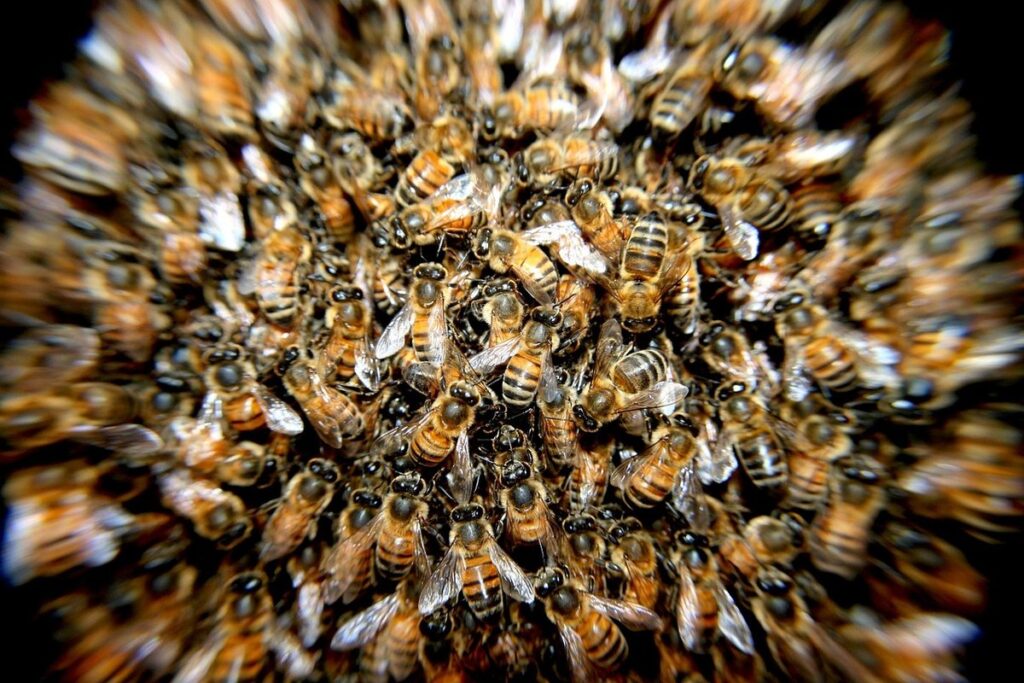
The Biology Behind Swarming
Bees swarm as a natural response to their colony’s growth, driven by factors such as food availability and queen pheromones. We’ll explore the specific biological triggers that lead to this behavior.
What Triggers a Bee Colony to Swarm?
A bee colony swarms when it reaches maximum capacity and can no longer sustain itself. Overcrowding is a primary trigger for swarming, as individual bees are unable to access food and resources within the hive. To mitigate this issue, the queen pheromone levels are monitored closely by worker bees. When these levels become too high or unstable, workers sense an opportunity to establish a new colony.
A specific example of overcrowding can be seen in a beekeeper’s failure to manage their apiary effectively. If left unchecked, colonies will continue to expand beyond what the hive can support, leading to reduced honey production and increased aggression among bees. Conversely, when pheromone levels are balanced, worker bees focus on honey production and colony growth.
Several factors contribute to an unstable queen pheromone environment. A new queen may emerge too quickly, causing her pheromones to overwhelm the existing queen’s signals. Alternatively, a failing or aging queen may produce inadequate pheromones, leading workers to prepare for swarming. Identifying these signs can help beekeepers intervene and prevent swarming by splitting overcrowded colonies or replacing the queen.
Roles Played by Different Castes During Swarming
During swarming, each caste plays a distinct role. Worker bees, responsible for colony maintenance, focus on preparing the swarm by feeding and grooming the new queen. They also secrete pheromones to calm the departing colony and signal the start of the swarming process.
Drones, which have no stinger or venom sac, take flight with the swarm but do not participate in defending it from predators. Their primary role is to mate with the new queen during the swarming process.
The new queen, the most critical component of the swarm, emerges from her cell and takes control of the swarm. She mates with multiple drones and leads the swarm to a new location for colony establishment. The queen’s pheromones regulate the behavior of worker bees within the swarm, guiding them towards their destination.
As the swarm takes flight, these roles are crucial in ensuring its success. Understanding the distinct roles played by each caste can help beekeepers anticipate and prepare for swarming events.
Preparation for Swarming: Signs and Symptoms
To prepare for a swarm, it’s essential to recognize the warning signs that indicate your bees are getting ready to leave. Look out for changes in their behavior and nesting patterns.
Behavioral Changes Indicating an Imminent Swarm
As a swarm approaches, bee colonies often exhibit changes in behavior that can be observed by beekeepers and enthusiasts alike. One of the most noticeable signs is an increase in activity within the hive. Bees may become more agitated and restless, with some individuals flying erratically around the entrance or performing “orientation flights” to scout out potential swarm sites.
Communication among bees also ramps up as a swarm approaches. You may notice increased buzzing within the hive, and bees will often release pheromones to alert other colony members of impending departure. This can be misinterpreted as an increase in aggression or defensiveness, but it’s actually a sign that the colony is preparing for swarming.
Keep in mind that these behavioral changes can occur days or even weeks before the actual swarm. Experienced beekeepers may recognize these signs and take steps to prevent swarming by splitting the colony or installing a queen excluder. For hobbyists and beginners, observing and recording these changes can help you better understand your bees’ behavior and develop a more informed approach to managing your colonies.
Physical Preparations Before Swarming
As swarming approaches, a bee colony begins to prepare for the impending split. One crucial step is the formation of new queens, which occurs through a process called “queen rearing.” The existing queen will select multiple larvae and assign them to specialized nurse bees who feed them a diet rich in royal jelly. This unique nutrition triggers the development of ovaries in the young queens, allowing them to mature and become fertile.
Simultaneously, the colony begins creating swarm cells, also known as “emergency cells,” within the brood nest. These cells are smaller than regular honeycomb cells and serve as a temporary home for the new queen until she emerges. The creation of swarm cells is often accompanied by an increase in cell construction, as the bees prioritize building these specialized cells over other areas of the colony.
A beekeeper can recognize the presence of swarm cells by inspecting the brood nest for smaller-than-usual cells or “balled” clusters of cells that are being built hastily. By identifying these signs early on, a beekeeper may be able to intervene and prevent the colony from swarming altogether.
The Swarm Itself: What to Expect
When a swarm takes place, it can be both fascinating and intimidating – but what exactly happens when thousands of bees leave their hive in search of a new home.
Formation and Structure of the Swarm
As a swarm forms, it separates from the parent colony, leaving behind a smaller group of worker bees to care for the queen and remaining brood. This initial separation is often triggered by a combination of factors, including an overpopulation of worker bees within the colony and a lack of space for new honeycomb cells.
The swarm then takes flight, with thousands of individual bees clustering around their queen as they search for a suitable location to establish a new home. The initial flight pattern is typically disorganized, with multiple directions and speeds evident among the swarming bees. However, within minutes, the swarm begins to coalesce into a more cohesive unit, with the queen bee at its center.
As the swarm flies, it often follows a distinctive “bee ball” formation, where individual bees cluster around their queen in a tight, spherical group. This structure helps to protect the queen and maintain orientation during flight. The swarm’s initial flight path is typically erratic but tends to follow topographical features such as rivers, valleys, or ridgelines, which provide visual cues for navigation.
Within 30 minutes to an hour after leaving the parent colony, the swarm will begin to slow its pace and search for a suitable location to settle. At this point, scout bees will start to explore the surrounding area in search of a potential new home site.
Leadership Roles Within the Swarm
Within a swarm, bees don’t have individual names like leaders do. Instead, dominant individuals from the original colony take on specific roles to guide the group’s movement and ensure its survival. These individuals, often experienced foragers or nurses, will typically cluster at the front of the swarm.
Their position allows them to communicate with each other through complex dances and pheromones, which coordinate their actions and direct the swarm as a whole. They also serve as scouts, searching for suitable locations that meet specific criteria – such as proximity to food sources, water, and potential nesting sites.
As they move through the air, these leaders continually assess the swarm’s cohesion and adjust their flight path accordingly, ensuring the group stays together and doesn’t get lost or dispersed. This process happens rapidly, with individuals responding to visual cues from one another in a matter of seconds. While it may seem chaotic, this dynamic system relies on intricate communication networks that allow individual bees to contribute to the swarm’s overall success.
In some cases, these leaders will even establish themselves at new locations before the rest of the swarm arrives, helping to prepare and secure resources for their fellow bees.
Swarming in Different Species: Variations and Similarities
Bees aren’t the only ones that swarm, and understanding how other insects behave can provide valuable insights into the complex social dynamics of honeybees. Let’s take a look at some fascinating examples from nature.
Comparison of Swarming Behaviors Among Bee Species
Bees exhibit distinct swarming patterns shaped by their unique biology and environmental pressures. For example, carpenter bees are known for their aggressive territorial behavior, often defending individual nests against other carpenter bees during swarming season. In contrast, honey bee colonies typically form large, organized swarms with a clear leader, navigating towards suitable habitats.
Some species, like bumblebees, tend to swarm in smaller groups, often clustering around a single queen. Leafcutter bees, on the other hand, exhibit a more chaotic swarming pattern, with multiple queens emerging from a single nest and competing for dominance. Despite these differences, commonalities exist among bee species – all typically swarm during periods of peak nectar availability and favorable weather conditions.
Several key factors contribute to successful swarming among different bee species. A sufficient food supply is crucial for sustaining the swarm’s energy demands during its initial stages. Habitat diversity also plays a significant role, with some species favoring open fields while others prefer dense vegetation or urban environments. By understanding these unique characteristics and commonalities, beekeepers can develop more effective strategies for managing swarming populations.
Factors Influencing Swarming Success Rates Across Species
Swarming success rates can vary significantly across different bee species due to several environmental and biological factors. One key factor is the availability of suitable nesting sites. For example, some bee species like honey bees require large cavities or hollow tree trunks to establish a new colony, while others like bumblebees can thrive in more exposed environments.
Temperature also plays a crucial role in swarming success. Bees are generally more active and effective at foraging in temperatures between 18°C and 25°C (64°F-77°F). Prolonged periods of extreme heat or cold can lead to reduced swarm productivity, as bees may be unable to forage efficiently.
Another important consideration is the presence of predators or parasites. Bees that are heavily infested with varroa mites or other pests may experience lower swarming success rates due to reduced colony strength and increased energy expenditure on defense mechanisms. Similarly, colonies facing high predation pressure from animals like birds or small mammals may also struggle to establish new swarms.
In terms of specific examples, a study on honey bee swarming found that colonies with access to multiple nesting sites were more likely to produce successful swarms than those without such options.
The Impact of Swarming on Local Ecosystems
Swarm behavior can have significant effects on local ecosystems, including altering plant populations and disrupting other pollinators’ habits. This delicate balance is crucial to understanding the swarm’s role in its environment.
Effects of Swarming on Pollination Patterns
When a bee colony swarms, it can have significant effects on local pollination patterns. The swarm typically consists of a large number of worker bees, which are essential for pollinating plants. However, during swarming, many of these workers leave the original nest to form a new colony, temporarily reducing the available workforce for pollination.
This disruption can impact the reproduction and seed production of certain plant species. For example, some plants rely heavily on the consistent presence of bees for effective pollination. When a swarm leaves, these plants may struggle to reproduce, potentially leading to reduced seed set and lower yields. In addition, swarming can also affect the overall composition of local plant populations.
A small number of plant species are more resilient to swarming events due to factors such as their ability to self-pollinate or having multiple pollinators. However, many plants rely on a consistent presence of bees, making them more vulnerable to disruptions caused by swarming. This highlights the importance of considering the impact of bee swarming on local ecosystems and pollination patterns when developing conservation strategies.
Conservation Implications for Swarming Bee Populations
Bee swarms play a vital role in maintaining ecosystem balance and pollination patterns. Conservation efforts should prioritize preserving biodiversity by protecting these temporary populations from harm. One key strategy is to establish “bee hotels” or artificial nesting sites that mimic natural environments, providing an alternative for swarming bees to settle and reproduce.
This approach can help mitigate threats to ecosystem health, such as pesticide use and habitat destruction, which often target and displace bee colonies. By preserving the diversity of native bee species, conservationists can also promote pollinator resilience and adaptability in the face of climate change.
Another crucial aspect is protecting swarming bees from human disturbance during peak swarm seasons (typically late spring to early summer). This involves educating local communities on safe viewing practices, such as keeping a safe distance and avoiding sudden movements that might provoke defensive behavior. By adopting these measures, we can safeguard not only the swarms themselves but also the ecosystems they inhabit and pollinate.
Establishing protected areas for swarming bees can be achieved through collaboration with landowners, beekeepers, and conservation organizations.
Frequently Asked Questions
Can I Prevent My Bee Colony from Swarming?
Yes, beekeepers can take steps to prevent swarming by monitoring their colonies for signs of overcrowding and queen pheromone production. This may involve splitting the colony or installing an excluder to separate the queen and prevent her from leaving with a swarm.
How Do I Know When a Swarm Is Forming in My Apiary?
Look for increased activity, communication, and clustering behavior among bees in the affected colony. Observe the formation of new queens and swarm cells, which can indicate that a swarm is imminent. Monitor weather conditions and temperature fluctuations, as these can also trigger swarming.
Can Bees from Different Species Interact with Each Other During Swarming?
Yes, bees from different species can interact during swarming, although this may not always result in successful integration. Some beekeepers have reported observing hybridization between species, while others have noted conflicts and competition for resources when introducing non-native species to a swarm.
What If I’m Not Present When the Swarm Leaves My Apiary?
If you’re unable to witness the actual departure of the swarm, look for signs that it may be occurring, such as the sudden absence of a large number of bees or the presence of new queen cells. Check your equipment and observe nearby areas where the swarm might have landed.
How Do I Ensure the Success of a Swarmed Colony?
To increase the chances of success, ensure the swarming colony has adequate resources, including food, water, and space. Monitor for signs of disease and pests, which can weaken the colony’s ability to adapt to its new environment. Provide proper shelter and protection from extreme weather conditions.

