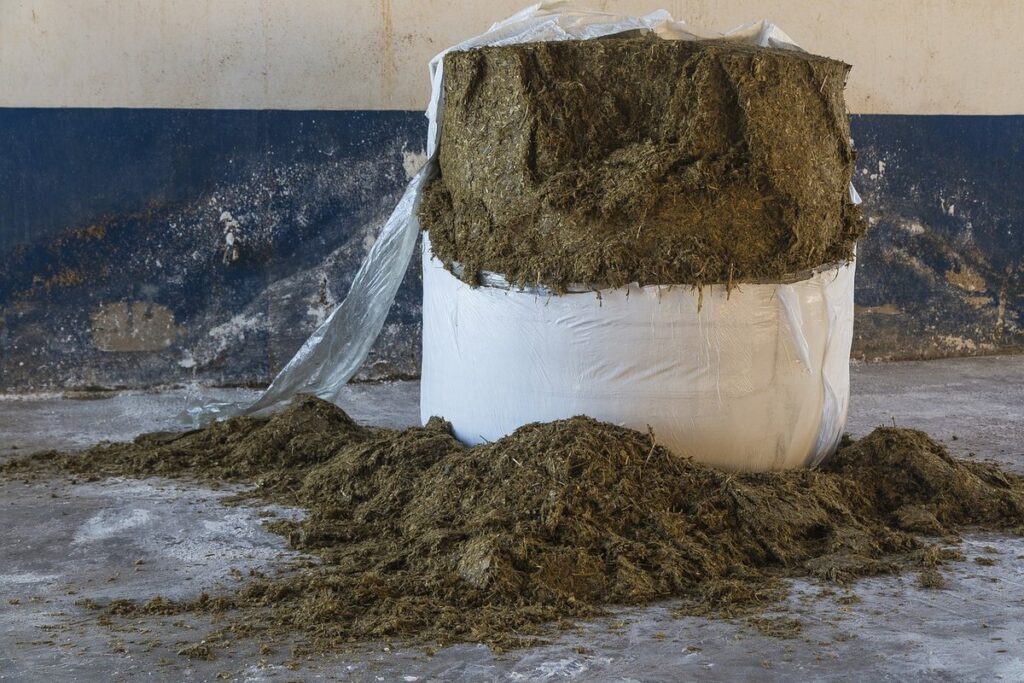
When choosing feed for your animals, you may have come across two popular options: alfalfa and hay. While both are high-quality sources of nutrition, there are significant differences between them that can impact their digestibility, palatability, and overall health benefits. One key distinction lies in their moisture content and dry matter levels, with hay typically being lower in moisture and higher in dry matter than alfalfa. Understanding these differences is crucial for making informed decisions about your animal’s diet, as the wrong choice could lead to digestive issues or nutritional deficiencies. In this article, you’ll learn more about the nutritional benefits and key differences between alfalfa and hay, enabling you to make a more informed decision that meets the needs of your animals.

What is Alfalfa?
So, what exactly is alfalfa and how does it differ from hay? Let’s start by exploring the definition of alfalfa.
Origin and History of Alfalfa
Alfalfa’s botanical name is Medicago sativa, a perennial legume native to the Middle East and Central Asia. Its history as a hay crop dates back over 1,000 years, with ancient civilizations such as the Greeks and Romans cultivating it for its high nutritional value. The plant thrived in temperate climates, making it an ideal crop for regions like the Mediterranean.
In the United States, alfalfa was introduced by European settlers in the 17th century and quickly became a staple hay crop due to its exceptional quality. Its popularity grew as farmers recognized the benefits of using alfalfa in animal feed: high protein content, rich in calcium and phosphorus, and a slow release of energy.
Today, alfalfa remains one of the most widely cultivated hay crops globally. Its versatility has led to various uses beyond livestock feed, including human nutrition supplements and organic fertilizers. With its deep taproot allowing it to thrive in poor soil conditions, alfalfa is often considered a “soil builder” crop that improves soil health over time.
Medicago sativa’s adaptability and nutritional profile have solidified its position as a premium hay crop, making it an essential component of many animal feed mixtures. Its long history of use underscores the importance of understanding the unique characteristics that set alfalfa apart from other types of hay.
Nutritional Content of Alfalfa
Alfalfa is renowned for its exceptional nutritional profile, making it a prized ingredient in animal feed. One of the most notable aspects of alfalfa’s nutritional content is its exceptionally high protein levels, often exceeding 17% on a dry matter basis. This is significantly higher than many other hay varieties, which typically range from 8 to 12%. The high protein content of alfalfa makes it an excellent choice for young animals, pregnant or lactating females, and those requiring rapid growth.
Alfalfa also boasts impressive calcium levels, often reaching up to 2% on a dry matter basis. This is particularly beneficial for ruminant animals like cattle, goats, and sheep, as they require substantial amounts of calcium for optimal bone development and overall health. Furthermore, alfalfa contains other essential micronutrients such as phosphorus, potassium, and magnesium, which are crucial for maintaining proper bodily functions.
A 1/4 cup serving of dried alfalfa hay can provide a significant amount of these vital nutrients, making it an excellent addition to animal feed. When selecting alfalfa products, be sure to check the nutritional label or consult with the manufacturer to ensure you’re getting a high-quality product that meets your animals’ specific needs.
What is Hay?
Hay is a general term that encompasses various types of dried plant material, but its specifics can be quite broad and varied. Understanding what hay is will help us better grasp the differences between it and other forage options like alfalfa.
Types of Hay: Timothy, Oat, and More
Timothy hay is a popular choice among horse owners due to its high quality and digestibility. It’s made from the leaves of the Timothy grass plant, which is native to North America. Timothy hay is known for its sweet flavor and fine texture, making it a favorite among horses. However, it can be more expensive than other types of hay.
Oat hay, on the other hand, is often used as a filler or mixed with other hays due to its lower nutritional value. It’s made from the oat plant and has a coarser texture than Timothy hay. Oat hay is often used for animals that require less energy, such as goats or sheep.
Other types of hay include alfalfa (which we’ll discuss in more detail later), clover hay, and orchard grass hay. Each type of hay has its own unique characteristics and uses in animal feed. For example, alfalfa hay is high in protein and calcium, making it a popular choice for young animals or those that require extra nutrition.
Here are some key characteristics to consider when choosing between different types of hay:
- Timothy hay: High quality, digestible, sweet flavor
- Oat hay: Lower nutritional value, coarser texture, often used as filler
- Alfalfa hay: High in protein and calcium, popular choice for young animals or those requiring extra nutrition
- Clover hay: Good source of protein and fiber, often used for lactating females or growing animals
How Hay is Made
Hay is made through a process of drying, harvesting, and processing. The first step involves cutting the grass or legumes when they are mature but still green, to minimize moisture content. This is typically done using a machine that cuts the plants near the base, leaving a small amount of stem intact.
The cut hay is then left to dry in the field, either on the ground or on a specialized drying system, until it reaches a moisture level of around 15-20%. This process can take several days, depending on weather conditions. Once dried, the hay is baled into large bundles or packaged in bags for storage and transportation.
During processing, hay may be cleaned to remove debris, such as seeds, stems, and rocks. Some farms also pass their hay through a series of rollers or brushes to fluff it out and improve airflow. This helps prevent mold growth and ensures the hay is dry enough for animal consumption. The goal is to produce high-quality hay that meets the nutritional needs of animals while minimizing waste and spoilage.
Alfalfa vs Hay: Key Differences
When it comes to choosing between alfalfa and hay for your horse, understanding their unique characteristics is crucial. Let’s break down the key differences between these two popular feed options.
Moisture Content and Dry Matter
Alfalfa tends to have lower moisture content than traditional hay crops. As a legume, alfalfa naturally contains more water due to its high concentration of sugars and proteins. However, when dried properly, it can achieve levels comparable to or even slightly lower than those found in timothy hay, which is often considered the standard against which other hays are measured.
Dry matter content, on the other hand, is typically higher in alfalfa compared to most types of hay. This is because alfalfa’s dense foliage and high fiber content require more energy to dry completely. As a result, it usually contains less moisture and more solid material than hay crops like oat or clover.
A 1:10 ratio of dry matter to moisture content is often used as a rough guideline for evaluating the quality of hay and alfalfa. Alfalfa tends to fall closer to this ideal balance, while many types of hay can exceed it due to varying levels of moisture retention during the drying process.
When selecting either alfalfa or hay for your animals’ feed, be aware that excessive moisture content can lead to mold growth, spoilage, and reduced palatability. In contrast, dry matter content is an essential factor in determining the overall nutritional value of your chosen hay or alfalfa product.
Cost and Availability
Alfalfa’s cost and availability can vary significantly depending on several factors. One major consideration is geographic location, as alfalfa production is concentrated in certain regions, such as the western United States. This limited supply can drive up prices in areas where demand is high but local production is scarce.
In contrast to other types of hay like timothy or oat hay, alfalfa is typically more expensive due to its higher nutritional value and slower growth rate. Alfalfa fields require a longer growing season and specific climate conditions, which can reduce yields and increase costs for farmers.
Another factor influencing availability is seasonal fluctuations. Alfalfa production often peaks in the summer months when temperatures are warm and moisture is adequate. However, during periods of drought or excessive rainfall, yields may decline, leading to shortages and higher prices. To mitigate these effects, consider storing alfalfa for longer-term use or supplementing with other types of hay that are more readily available at certain times of the year.
When purchasing alfalfa, look for suppliers that can provide consistent quality and availability throughout the year. This may involve working with local farmers or buying in bulk to negotiate better prices and ensure a steady supply.
Uses of Alfalfa and Hay in Animal Feed
When it comes to animal feed, alfalfa and hay serve distinct purposes that can significantly impact an animal’s health and performance. We’ll explore how each is used to benefit different types of livestock.
Livestock Preferences: Cattle, Horses, Goats, and More
When it comes to choosing between alfalfa and hay as a primary feed source, different livestock have varying preferences. Cattle, for example, tend to thrive on high-quality hay like timothy or orchard grass, which is readily available and cost-effective. In contrast, horses often require the nutrient-dense properties of alfalfa, especially if they’re pregnant, lactating, or engaged in high-intensity activities.
Goats, on the other hand, are typically more adaptable to different types of feed, but they may still prefer the rich flavor and nutritional profile of alfalfa. Sheep also benefit from alfalfa’s high protein content, particularly during breeding seasons. However, it’s essential to note that some sheep breeds might be sensitive to alfalfa’s sulfur levels.
It’s not uncommon for farmers or pet owners to mix different types of feed to create a customized diet for their animals. For instance, supplementing hay with small amounts of alfalfa can provide an added nutritional boost without overloading the animal’s digestive system. By understanding these individual preferences and needs, you can better select the right type of feed for your livestock, ensuring optimal health and performance.
Special Dietary Needs and Considerations
When it comes to meeting the nutritional needs of different animal species, alfalfa and hay can be tailored to provide essential nutrients. For example, horses with equine metabolic syndrome require a diet high in fiber and low in sugar, making alfalfa a suitable choice due to its relatively low sugar content. In contrast, cattle on dairy farms may benefit from alfalfa’s high protein levels to support milk production.
Goats, on the other hand, thrive on hay rich in calcium and phosphorus, such as timothy or oat hay. Alfalfa can be too high in calcium for goats, leading to kidney stone formation. Similarly, rabbits require a diet low in calcium and high in fiber, making alfalfa unsuitable but hay an excellent option.
It’s essential to consider the specific nutritional requirements of each animal species when choosing between alfalfa and hay. For instance, sheep on pasture may benefit from alfalfa’s high energy content during winter months when forage is scarce. In contrast, goats raised on rocky terrain may require a diet rich in fiber and low in nutrient density to prevent digestive issues.
A general rule of thumb is to consult with a veterinarian or animal nutritionist to determine the best dietary approach for specific animals based on their age, breed, and health status.
Choosing Between Alfalfa and Hay: Factors to Consider
When deciding between alfalfa and hay, there are several key factors to consider, including your horse’s nutritional needs and age. This will help you make an informed decision that benefits their health and well-being.
Climate, Region, and Seasonal Availability
Climate plays a significant role in determining whether alfalfa or hay is more suitable for your animals. In areas with mild winters and long growing seasons, alfalfa may be readily available year-round. However, in regions with harsh winters or limited sunlight, hay becomes a more practical option due to its lower cost and longer shelf life.
The region you’re in also affects the availability of these two feeds. For instance, if you live in an area where timothy grass is prevalent, it’s likely that high-quality hay will be readily available at competitive prices. Conversely, if alfalfa is a staple crop in your region, its price may be lower compared to other areas.
Seasonal fluctuations also impact the choice between alfalfa and hay. During peak growth periods, fresh alfalfa is typically abundant and relatively inexpensive. However, when this period ends, hay becomes the more affordable option until new crops are harvested. Understanding these seasonal variations helps you plan ahead and make informed decisions about which feed to use during different times of the year.
Animal Health and Nutritional Requirements
When deciding between alfalfa and hay as a feed source for your animals, it’s essential to consider their individual health needs and nutritional requirements. For example, horses with Cushing’s disease may benefit from the low-protein, high-fiber content of timothy hay, while pregnant mares require more energy-dense feeds like alfalfa.
Animals with certain health conditions or dietary restrictions also impact your decision. Alfalfa is often recommended for lactating goats and cattle due to its higher protein and calcium content, but it can exacerbate digestive issues in horses prone to colic. Conversely, hay may not provide enough nutrients for animals requiring a high-energy diet.
To make an informed choice, consider the specific nutritional needs of your animals. Consult with a veterinarian or equine nutritionist to determine the best feed source based on factors like age, breed, and health status. Keep in mind that even within the same species, individual nutritional requirements can vary significantly. For instance, working horses may require more energy than those in pasture.
When selecting between alfalfa and hay, factor in your animals’ unique needs and ensure their feed meets or exceeds those demands.
Best Practices for Storing and Feeding Alfalfa and Hay
When it comes to storing and feeding alfalfa and hay, proper handling is crucial to maintaining their nutritional value. Here’s how to store and feed them effectively for optimal use.
Storage Methods: Bales, Bags, and Silos
When storing alfalfa and hay, it’s essential to maintain a controlled environment to preserve their nutritional value. Bales are a popular storage method, but they can be prone to mold and moisture damage if not properly wrapped or covered. To minimize this risk, use breathable wraps or tarps that allow for airflow while keeping out dust and debris.
Bags are another option, especially for small quantities or irregularly shaped hay. However, they may not provide the same level of protection as bales or silos. Some farmers opt for a combination of both bags and bales to accommodate different types of hay.
Silos offer the most effective storage method, as they maintain a consistent temperature and humidity level, which helps preserve the nutritional content of alfalfa and hay. When choosing a silo, consider factors such as size, material (concrete or metal), and ventilation system. Regularly inspect stored materials for signs of spoilage or pests to ensure optimal quality.
In addition to these storage methods, it’s crucial to store alfalfa and hay in a dry area with adequate airflow to prevent moisture buildup.
Feeding Guidelines: Quantity, Frequency, and Monitoring
When feeding animals alfalfa or hay, it’s essential to establish a routine that balances quantity, frequency, and monitoring. Start by determining the recommended daily intake for your specific animal based on factors such as age, breed, weight, and activity level. A general rule of thumb is to provide 1-2% of the animal’s body weight in dry matter per day.
For example, a 500-pound horse would require approximately 5-10 pounds of hay or alfalfa per day. Divide this daily amount into 2-3 feedings to prevent overeating and minimize digestive issues. Monitor your animal’s health closely during the first few weeks of feeding changes, watching for signs of digestive upset such as diarrhea, colic, or weight loss.
Keep accurate records of food intake and note any adjustments made to feeding amounts. Adjust quantities based on individual needs, taking into account factors like climate, season, and age-related changes in nutritional requirements. Regularly inspect the quality and freshness of stored hay or alfalfa, replacing spoiled or moldy batches promptly to ensure optimal nutrition for your animals.
Frequently Asked Questions
Can I Mix Alfalfa and Hay Together for My Livestock?
Yes, mixing alfalfa and hay together can be beneficial for your livestock, especially if they have specific nutritional requirements. However, it’s essential to balance the nutrient levels to avoid overfeeding or underfeeding certain micronutrients. Consult with a veterinarian or equine nutritionist to create a customized feeding plan.
How Do I Determine If My Alfalfa is Spoiled or Not?
To check if your alfalfa has spoiled, inspect its color, texture, and smell. Fresh alfalfa should have a bright green color, be dry and crumbly in texture, and have a mild earthy aroma. Avoid consuming alfalfa that’s moldy, has visible pests, or emits a strong unpleasant odor.
Can I Use Alfalfa as a Substitute for Hay in All Scenarios?
No, while alfalfa is an excellent feed source, it’s not suitable for all animals or situations. For example, horses with certain health conditions may require a specific type of hay instead of alfalfa. Always consult with a veterinarian to determine the best feed option for your livestock.
What If I Don’t Have Access to Alfalfa in My Area?
If you don’t have access to alfalfa in your area, consider alternative options such as timothy hay or oat hay. These types of hay can provide essential nutrients and are widely available. Consult with a local feed supplier or equine expert to determine the best substitute for alfalfa.
How Long Does Fresh Alfalfa Typically Last When Stored Properly?
Properly stored fresh alfalfa can last for several months, depending on storage conditions such as temperature, humidity, and exposure to light. Generally, high-quality alfalfa can remain nutritious for 6-12 months when stored in a dry, well-ventilated area or silo.