Starting your beekeeping journey can be both exciting and intimidating. With over 20,000 known species of bees, selecting the right ones for your colony is crucial to success. You’ll want to consider factors like climate, space constraints, and the type of honey you’re aiming to produce when choosing between European and Italian honeybees. If done correctly, beekeeping can provide a bountiful harvest and a deeper connection with nature. But for beginners, it’s not uncommon to encounter issues like colony collapse or poor honey yields due to lack of knowledge on advanced techniques. In this comprehensive guide, we’ll cover the basics of beekeeping, including species selection, and delve into expert strategies for maintaining healthy colonies and maximizing your honey production. By the end of this article, you’ll have a solid understanding of how to keep bees and be well on your way to establishing a thriving apiary.
Understanding Beekeeping Basics
Before you start keeping bees, it’s essential to understand the basics of bee behavior and social structure. This foundation will help you create a healthy environment for your colony to thrive in.
Choosing the Right Location
When selecting a location for beekeeping, you need to consider the site’s exposure to sunlight and wind protection. Bees require a minimum of six hours of direct sunlight per day to maintain their health and activity levels. A south-facing location is ideal, but be aware that this can also mean increased heat gain during summer months. To mitigate this, choose a location with some natural shade or consider installing a canopy or trellis to provide additional protection.
Water sources are another crucial consideration. Bees need access to water for drinking and cooling their hives, especially during hot weather. Ensure the location is within a 100-150 foot radius of a reliable water source, such as a pond, lake, or even a birdbath with fresh water. Avoid areas prone to flooding or where water may stagnate.
In addition to sunlight and water, consider the surrounding environment. Bees are highly sensitive to pesticides, herbicides, and other chemicals that can contaminate their food sources and harm the colony. Opt for an area with minimal pesticide use and a diverse range of flora, including nectar-rich flowers that will attract pollinators.
Considering Local Regulations
Before purchasing bees and setting up a beehive, it’s essential to research local regulations regarding beekeeping. Permits and zoning restrictions vary significantly from one area to another, so familiarize yourself with what’s required for your specific location.
In some regions, you may need a permit or license to keep bees, especially if you live in an urban area or have nearby neighbors. These permits often require providing information about the type of bees you plan to keep and the number of colonies on your property. Check with your local government to determine what’s needed.
Some areas also have specific regulations regarding beehive placement, such as maintaining a certain distance from neighboring properties or keeping hives away from schools and parks. Other regions may prohibit beekeeping altogether due to allergies, nearby agricultural interests, or other concerns.
To avoid fines or even having your bees confiscated, make sure to research and comply with local regulations before bringing home your first colony. This includes understanding any specific requirements for inspecting your beehive or responding to pest issues.
Bee Species Selection and Preparation
When choosing the right bee species for your hive, it’s essential to consider factors such as climate, region, and desired honey production. You’ll want a breed that thrives in your specific conditions.
Choosing the Right Bee Breed
When it comes to selecting a bee breed for honey production, you’ll find several options to consider. European Honey Bees (Apis mellifera) are one of the most popular choices due to their high yields and adaptability. However, they can be more aggressive and require more maintenance than other breeds.
Italian Bees, a subspecies of European Honey Bees, are known for their gentle nature and high honey production. They’re also relatively low-maintenance and suitable for beginners. Carniolan Bees are another popular choice, prized for their cold hardiness and ability to thrive in cooler climates.
Buckfast Bees, a hybrid breed, are bred specifically for their high honey production and resistance to disease. They’re often used by commercial beekeepers but can also be a good option for hobbyists looking for a reliable source of honey. When choosing a breed, consider factors like climate, available space, and your level of experience.
A brief consideration of the following key characteristics can help you narrow down your options:
• Aggression: Some breeds are more docile than others.
• Honey production: Different breeds yield varying amounts of honey per colony.
• Climate adaptability: Certain breeds excel in hot or cold climates.
• Disease resistance: Some breeds have a natural immunity to common bee diseases.
Preparing Equipment and Infrastructure
When preparing for beekeeping, it’s essential to have the necessary equipment and infrastructure in place. This includes a beehive, which can be either a Langstroth, Top-bar, or Warre hive, depending on your chosen bee breed and personal preference. Consider the size of the hive: a single deep box is suitable for most beginners, but larger operations may require multiple boxes.
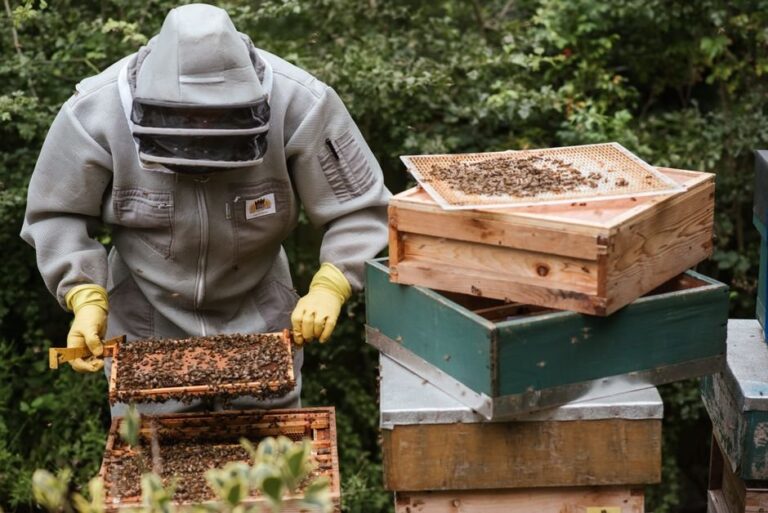
Protective clothing is another crucial investment. A beekeeping suit, veil, and gloves will shield you from stings during inspections and harvesting. Look for high-quality gear that fits well and provides adequate protection. Don’t forget essential tools like a hive tool, smoker, and frame grip. These items will make handling the hive and frames much easier.
In addition to equipment, ensure your yard or apiary is bee-friendly. This means clearing any debris or obstructions around the hive site and providing an open area for easy access. Typically, bees require at least 1-2 square feet of space per frame, so consider the size of your yard when deciding where to locate the hive. Finally, familiarize yourself with local regulations regarding beekeeping in your area, such as registration requirements or property restrictions.
Establishing a Beehive
To get started, you’ll need to carefully select a location for your beehive and prepare it for the arrival of your bees. This involves creating a safe and suitable home for them to thrive in.
Setting Up the Hive
When assembling a beehive, start by unpacking and laying out all components, including the hive stand, bottom board, and supers. Ensure everything is clean and free of debris to prevent contamination. Next, attach the hive stand to the bottom board using screws or nails, making sure it’s securely fastened. Install the entrance reducer, which helps regulate airflow and keeps pests out.
Proper ventilation is crucial in a beehive. Drill a few holes in the back of the hive for air circulation, typically about 1/4 inch in diameter. You can also add a screened bottom board or use a mesh floor to allow for better airflow and debris removal.
Securely attach the supers to the hive body using clips or screws. Make sure they’re level and evenly spaced to prevent uneven weight distribution. Finally, apply a thin layer of beeswax or foundation to the frames within the supers, where the bees will build their comb. This helps guide them as they create the honeycomb structure.
Introducing Bees to the Hive
When introducing bees to their new home, it’s essential to use acclimation techniques that minimize stress and ensure a smooth transition. Before transferring the bees, prepare the hive by adding a frame of fresh brood or a honeycomb with a small amount of food to attract the bees. This will encourage them to move in quickly.
Transfer the bees at night when they are most active, using a smoke machine to calm them down. Release the bees near the entrance, allowing them to naturally gravitate towards their new home. As the bees settle in, provide an adequate food supply and water source nearby.
Population management strategies are crucial during this period. Ensure there’s enough space for the colony to expand by adding frames as needed. Monitor the queen’s performance closely, checking for signs of aging or disease. If you notice any issues, consider replacing her with a new one.
Key considerations when introducing bees include:
- The number of bees: typically 10,000 to 20,000 worker bees and a single queen
- The location of the hive: ideally near a water source and in an area with minimal disturbance
- The temperature: avoid transferring bees during extreme heat or cold
Ongoing Bee Care and Management
Now that you have a thriving colony, it’s time to think about ongoing care and management strategies to ensure their health and productivity continue to flourish.
This includes tasks like monitoring for pests and diseases, performing regular inspections, and making any necessary adjustments to your beekeeping practices.
Regular Inspection and Maintenance
Regular inspections and maintenance tasks are crucial for a healthy beehive. Every 7-10 days, you’ll want to check on your bees by opening the hive and performing a thorough inspection. This involves looking for signs of pests or diseases, such as American Foulbrood bacteria or Varroa mites, which can decimate a colony if left unchecked.
Clean cells are essential for maintaining a strong hive. Check for debris, dead bees, and excess honey that can clog the frames. Use a soft-bristled brush to gently remove any obstructions without damaging the comb. Also, inspect the queen’s presence by looking for her pheromones on the inner cover or checking for eggs in the brood nest.
Keep an eye out for other issues like over-crowding and uneven honey production. If you notice these problems, take corrective action to redistribute bees or add extra supers as needed. Regular inspections also allow you to monitor for swarming behavior, which can help prevent colony splits. By staying on top of maintenance tasks, you’ll create a stable environment that encourages your bees to thrive.
Managing Honey Production and Harvesting
When it’s time to harvest honey, you’ll need a centrifugal extractor to spin the frames and extract the liquid gold. You can also use a crush and strain method with a food-grade filter, but this is generally slower and more labor-intensive. Before extraction, ensure that the supers are filled and capped, as uncapped frames will release unwanted debris into the honey.
Start by assembling your equipment and preparing the extractor according to the manufacturer’s instructions. Next, carefully remove the frames from the hive and place them in the extractor. Begin spinning at a low speed (around 200-300 RPM) to prevent damage to the comb or the honey itself. Gradually increase the speed as the extract begins to flow.
To maximize yields while minimizing impact on the bees, consider the following: Extract in the morning when the nectar content is higher and the bees are less active. Avoid extracting during peak summer temperatures (above 90°F) to prevent spoilage. Finally, store your extracted honey in airtight containers at room temperature or below.
Most beekeepers extract their honey once per year, typically around late August or early September, depending on nectar flow and local climate conditions.
Common Challenges and Troubleshooting
When you’re first starting out with beekeeping, it’s common to encounter some unexpected issues that can be frustrating to resolve. This section will address some of the most frequent problems and provide troubleshooting tips to get your colony back on track.
Identifying and Addressing Pests and Diseases
When it comes to maintaining a healthy bee colony, pest and disease management is crucial. Varroa mites are one of the most common issues faced by beekeepers. These parasites attach themselves to bees, feeding on their hemolymph and weakening the colony’s immune system. To identify varroa infestations, look for signs such as discolored wings, legs, or bodies, as well as a general decline in colony health.
American Foulbrood (AFB) is another significant threat, caused by the bacterium Paenibacillus larvae. AFB is characterized by white mold growing on dead bees and a strong, unpleasant odor emanating from the hive. To manage varroa mites and prevent AFB outbreaks, use integrated pest management techniques. This includes treating affected colonies with approved chemicals during the winter months when the colony is more vulnerable.
Some key steps for managing pests and diseases include:
• Regularly inspecting your hives for signs of infestation
• Monitoring for dead bees and other symptoms of disease
• Using chemical treatments as a last resort, opting instead for natural methods like essential oils or diatomaceous earth
• Maintaining good hive hygiene by cleaning equipment and removing debris regularly
Managing Swarming and Colony Reproduction
When managing swarming and colony reproduction, it’s essential to understand the root causes of these issues. Swarms occur when a hive becomes overcrowded and the queen bee is unable to lay eggs fast enough to support the growing population. To prevent swarms, you can split the hive by separating a strong, healthy nuc (nucleus colony) from the parent hive. This not only reduces congestion but also allows the remaining bees to focus on honey production.
For colony reproduction, introducing a new queen bee is often necessary. You can either purchase a new queen or breed your own using a queen rearing kit. Before introducing a new queen, ensure that the existing queen has left the hive by performing a thorough inspection and checking for signs of swarming behavior. Typically, it takes 1-2 weeks for the bees to accept the new queen.
To promote healthy colony growth, maintain a strong nuc by controlling the population size through regular inspections and splits as needed. Introduce new queens during peak honey flow periods when the hive is most active. By taking proactive steps to manage swarming and colony reproduction, you can prevent losses and ensure the long-term health of your beehive.
Advanced Beekeeping Techniques
As you become more confident in your beekeeping skills, it’s time to take your knowledge to the next level by mastering advanced techniques that will elevate your apiary game. We’ll cover complex methods for monitoring and maintaining healthy hives.
Queen Rearing and Breeding Programs
Queen rearing and breeding programs allow experienced beekeepers to improve their stock and develop new strains. This involves carefully selecting and breeding queens with desirable traits such as high honey production, resistance to diseases, or improved temperament. A key aspect of queen rearing is understanding the life cycle of a queen bee, which typically lives for 2-3 years.
To establish a successful queen rearing program, beekeepers must first identify suitable candidates. This often involves monitoring the performance of existing colonies and selecting queens with exceptional qualities. Once identified, these queens can be bred to produce offspring that inherit their desirable traits.
Breeders use various methods to select for specific characteristics, including pedigree analysis and phenotypic selection. They may also employ techniques such as split-cell grafting or cell-duplication to improve the efficiency of queen production. By carefully selecting and breeding high-quality queens, beekeepers can develop new strains that are better suited to their local environment and management practices.
A well-planned queen rearing program requires attention to detail, a deep understanding of bee biology, and careful record-keeping. Experienced breeders often keep detailed records of their stock, including pedigree information, performance data, and notes on colony health.
Integrated Pest Management (IPM) Strategies
When managing pests and diseases, it’s essential to adopt a holistic approach. Integrated Pest Management (IPM) strategies combine biological controls with targeted chemical treatments. This multi-faceted approach helps maintain a healthy colony while minimizing harm to the environment.
Biological controls involve introducing natural predators or parasites that target specific pests. For example, ladybugs can be used to control aphid populations, while beneficial wasps prey on common bee pests like small hive beetles. Trichogramma wasp eggs can also be applied to control varroa mite infestations.
Chemical treatments are typically reserved for severe infestations or when biological controls are insufficient. However, it’s crucial to choose the right chemical treatment and use it judiciously. Some popular options include oxalic acid, formic acid, and Apivar strips. Always follow the manufacturer’s instructions and take necessary safety precautions.
To implement an effective IPM strategy, you’ll need to monitor your colony regularly for signs of pests or diseases. Look for symptoms like reduced honey production, unusual odors, or dead bees near the hive entrance. By catching problems early, you can prevent them from spreading and reduce the need for chemical treatments altogether.
Frequently Asked Questions
What happens if I notice unusual behavior in my bees after introducing them to the hive?
Bees can exhibit abnormal behavior due to various reasons such as disease, pests, or even environmental factors. If you observe unusual behavior like swarming, fighting, or failure to return to the hive, investigate possible causes and take corrective action promptly. Regular inspections and monitoring can help identify issues early on.
Can I use integrated pest management (IPM) strategies with all types of bees?
While IPM is effective for many bee species, it’s essential to consider the specific needs and characteristics of your chosen breed. Some breeds may be more susceptible to certain pests or diseases, requiring tailored approaches. Research and consult experts to determine the best IPM strategy for your colony.
How do I know when my bees are ready for their first honey harvest?
The readiness for harvesting depends on factors like nectar flow, hive strength, and brood development. Typically, beekeepers wait until the hive has stored a sufficient amount of honey (around 60-80 pounds) and the bees have demonstrated strong foraging activity. Monitor your colony’s progress, and consider factors like climate, flora, and pest management.
Can I use local regulations as a substitute for proper beekeeping education and experience?
No, familiarizing yourself with local regulations is crucial but not a replacement for proper training and hands-on experience. Beekeeping requires extensive knowledge of apiary best practices, equipment maintenance, and emergency procedures to ensure the health and safety of both humans and bees.
What’s the recommended frequency for inspecting and maintaining my beehive during peak nectar flow?
During peak nectar flow, it’s essential to inspect your hive every 7-10 days. This allows you to monitor brood development, identify potential issues, and perform necessary maintenance tasks like cleaning cells and monitoring for pests and diseases. Regular inspections will also help you optimize honey production and prevent swarming.