
Bee populations have been dwindling at an alarming rate, threatening the very foundation of our food supply. Without bees to pollinate crops, many plants would be unable to reproduce, leading to widespread economic losses and a significant reduction in global food production. In fact, one-third of the food you eat is directly dependent on bee pollination, from apples and almonds to avocados and blueberries. Beekeeping plays a critical role in supporting these vital ecosystems by providing a safe haven for bees to thrive and maintain healthy populations. By learning how to keep bees, farmers can not only ensure their own crops’ success but also contribute to the overall stability of the food supply. In this article, you’ll discover how beekeeping supports pollination, reduces economic losses, and promotes sustainable agriculture practices.
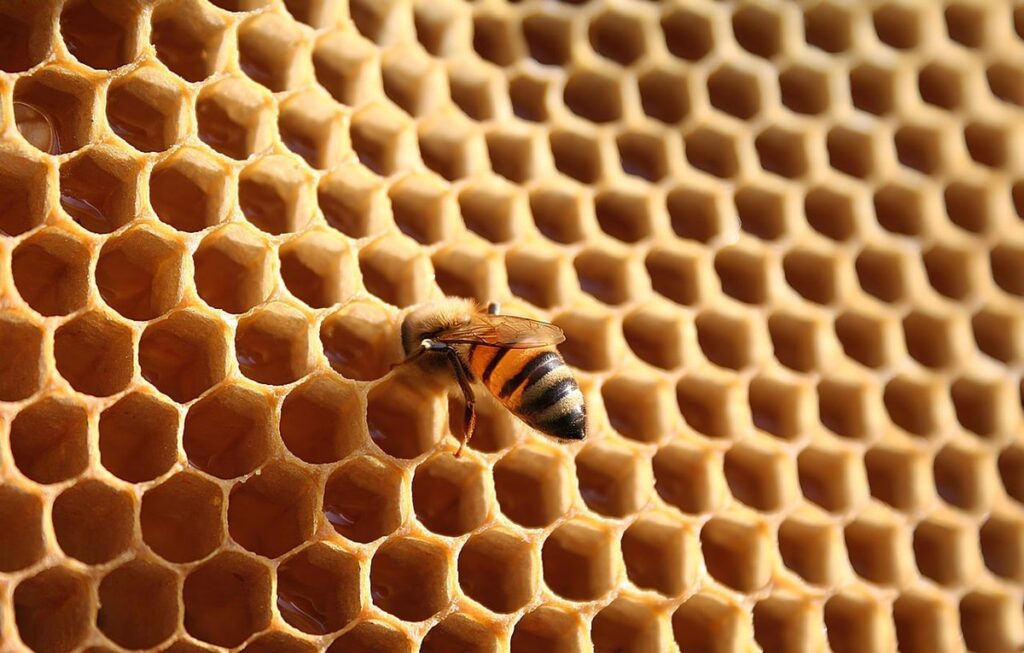
Benefits of Pollination
Pollinators play a vital role in agriculture, and understanding their importance can have a significant impact on crop yields. Let’s take a closer look at how pollination benefits crops.
Role of Bees in Food Production
Bees play a crucial role in food production by pollinating a wide variety of crops. One-third of the world’s crops rely on bees for pollination, including fruits like apples and blueberries, vegetables such as broccoli and carrots, and nuts like almonds and walnuts. Without bee pollination, these crops would be unable to reproduce, resulting in significant reductions in yields.
In addition to affecting crop diversity, a decline in bee populations could also lead to increased food prices. Many of the world’s most popular fruits and vegetables are highly dependent on bees for pollination, and without them, production costs would rise due to the need for manual pollination or other costly alternatives. This could have far-reaching consequences for global food systems.
To put this into perspective, a study found that a single hive can pollinate around 300 million flowers in a single day. To maintain healthy bee populations, it’s essential for farmers and beekeepers to work together to create pollinator-friendly environments and adopt sustainable agricultural practices. By doing so, they can help ensure the long-term viability of their crops and the food systems that rely on them.
Economic Impact of Honeybees on Agriculture
Honeybees contribute significantly to agricultural productivity and economic growth. According to estimates, honeybee pollination services are responsible for around 1/3 of global food production. In the United States alone, bee-pollinated crops generate over $15 billion annually. Almonds, for instance, rely heavily on honeybee pollination, with a single hive required to pollinate around 260 trees.
The economic impact of honeybees on agriculture is not limited to crop yields; it also extends to food quality and diversity. Many fruits and vegetables, such as apples, blueberries, and squash, require cross-pollination by bees to produce viable seeds. Without adequate pollinator services, these crops would suffer significant yield losses or even become unviable.
Colony collapse disorder (CCD) has further exacerbated the economic burden on agriculture. Estimated annual losses due to CCD range from $200 million to over $1 billion in the United States. These losses not only impact farmers’ revenue but also threaten food security and sustainability. To mitigate these risks, beekeepers must adopt integrated pest management practices, maintain healthy hive populations, and collaborate with farmers to ensure pollinator-friendly farming environments.
Beekeeping as a Sustainable Practice
Beekeeping as a sustainable agricultural practice promotes biodiversity and ecosystem health by creating habitats for pollinators and other beneficial insects. By maintaining beehives on farms and in surrounding areas, beekeepers provide a source of food and shelter for these creatures. This, in turn, supports the local pollinator population, which is essential for crop reproduction.
Beekeeping also encourages the growth of diverse plant species, as bees transfer pollen between flowers, facilitating cross-pollination and seed production. This process contributes to genetic diversity within crops, making them more resilient to disease and environmental stress. For example, a study in California found that bee-pollinated almond trees yielded 30% more almonds than those pollinated by other means.
To incorporate beekeeping into sustainable agriculture practices, farmers can start by identifying areas on their land suitable for beehive placement. They should also consider planting pollinator-friendly crops, such as sunflowers or lavender, which provide nectar and pollen sources for bees. Regular monitoring of beehives and local pollinator populations is crucial to ensure the health of both the bees and the ecosystem.
The Impact of Colony Collapse Disorder (CCD)
The decline of bee populations has severe consequences for agricultural ecosystems, and understanding CCD is crucial to addressing this pressing issue. We’ll examine the devastating effects of colony collapse disorder on crop yields and food security.
Causes and Consequences of CCD
CCD’s impact on pollination services and food production is multifaceted. One key cause of CCD is the varroa mite infestation in bee colonies. These parasites weaken bees’ immune systems, making them more susceptible to disease. In addition, the use of certain pesticides, such as neonicotinoids, has been linked to CCD. When bees are exposed to these chemicals, they can become disoriented and fail to return to their hives.
The consequences of CCD on bee colonies are severe. A study found that in areas where CCD is prevalent, pollination services decline by up to 50%. This decrease affects not only crop yields but also the diversity of plant species. In some regions, farmers have reported losses of up to 90% in certain crops due to a lack of pollinators.
Beekeepers can mitigate these risks by implementing integrated pest management strategies and monitoring their colonies for signs of CCD. They should also adopt best practices such as regular inspections, queen replacement, and the use of varroa mite treatments. Furthermore, beekeepers can contribute to pollinator health by planting pollinator-friendly crops in their apiaries. This approach not only helps maintain healthy bee populations but also supports biodiversity and sustainable agriculture.
Factors Contributing to CCD
Pesticide use is a significant contributor to CCD. The widespread application of pesticides can harm bees directly by contaminating their food and water sources, or indirectly by killing off other beneficial insects that pollinators rely on for survival. For example, neonicotinoids have been shown to affect bee navigation and communication, making it harder for colonies to survive.
Habitat loss is another critical factor contributing to CCD. The destruction of natural habitats and ecosystems has reduced the availability of food sources for bees, leaving them vulnerable to other stressors. Climate change also plays a role in CCD, as changing temperatures and weather patterns disrupt the delicate balance of pollinator populations. Varroa mite infestations are another major contributor, weakening bee colonies over time.
To mitigate these risks, beekeepers can take steps such as using integrated pest management (IPM) techniques to minimize pesticide use, creating bee-friendly habitats on their properties, and monitoring for varroa mites through regular inspections. By addressing these underlying factors, beekeepers can help reduce the likelihood of CCD and promote healthier, more resilient colonies.
Strategies for Mitigating CCD Risks
Implementing integrated pest management (IPM) techniques is crucial for mitigating CCD risks. This involves using a combination of methods to manage pests, such as crop rotation, biological control, and cultural controls like pruning or thinning. For example, many beekeepers use IPM to reduce the impact of varroa mites on their colonies.
Regular monitoring of colony health is also essential for identifying early warning signs of CCD. This includes tracking factors like queen performance, brood patterns, and pest presence. Beekeepers can conduct regular inspections, assess colony strength, and take action if they notice any unusual trends or issues.
Some key best management practices (BMPs) include maintaining healthy bees through proper nutrition and hygiene, controlling for diseases and pests, and ensuring adequate forage quality and availability. For instance, beekeepers may need to supplement their colonies with nutrients during periods of low nectar flow. Bee health monitoring can be done using tools like hive sensors or mobile apps that track temperature, humidity, and other environmental factors.
Beekeepers should also prioritize queen replacement every 2-3 years and maintain a healthy workforce through culling weak or diseased bees.
Beekeeping Practices for Sustainable Agriculture
Beekeeping is a crucial practice that not only supports healthy pollinator populations but also fosters sustainable agriculture by promoting biodiversity and efficient crop yields. Let’s take a closer look at key beekeeping practices for successful agroecosystems.
Integrated Pest Management (IPM) in Beekeeping
IPM principles can be effectively applied to beekeeping by adopting a multi-faceted approach to pest management. This involves identifying and monitoring pests, using physical barriers to prevent infestations, introducing beneficial insects that prey on pests, and applying targeted chemical treatments only when necessary.
In beekeeping, Integrated Pest Management (IPM) often centers around controlling varroa mite populations, a common parasite that can devastate colonies if left unchecked. IPM strategies for varroa management include using essential oils like thymol and formic acid to control mites, as well as employing integrated chemical treatments that minimize harm to bees.
Some key IPM practices in beekeeping include:
- Regularly inspecting colonies for signs of pests
- Using sticky boards or powdered sugar to capture mites
- Implementing split-summer management strategies to reduce varroa populations
- Monitoring and controlling nectar flow and flower density to prevent pest buildup
By adopting these principles, beekeepers can create a more balanced ecosystem that minimizes chemical use and promotes long-term colony health. This approach not only benefits the bees but also supports biodiversity and reduces the environmental impact of beekeeping practices.
Pollinator-Friendly Farming Practices
Planting a diverse range of crops is crucial for supporting bee populations. This includes incorporating flowers and herbs into farmland, as they provide a rich source of nectar and pollen. For example, sunflowers are an excellent choice, as their large flowers are easy for bees to access and provide a significant amount of food. Other beneficial plants include lavender, rosemary, and coneflowers.
Reducing tillage is another essential practice. Tillage can damage soil structure and reduce its ability to retain moisture, making it harder for plant roots to grow. This, in turn, affects the availability of nectar-rich flowers that bees rely on. By minimizing tillage or adopting no-till farming methods, farmers can promote healthy soil conditions and increase the diversity of plant species.
Creating bee habitats is also vital. This can be achieved by leaving areas of land unmanipulated, allowing native plants to grow and providing shelter for solitary bees. Farmers can also incorporate nesting boxes specifically designed for solitary bees, such as mason bees and leafcutter bees.
Value of Local Beekeeping Communities
Local beekeeping communities play a vital role in promoting sustainable agriculture by fostering knowledge sharing and social connections among beekeepers. When beekeepers come together to share their experiences and best practices, it creates a ripple effect that benefits the entire agricultural ecosystem. For instance, local beekeeping associations often organize workshops and conferences where experts can discuss topics like integrated pest management, pollinator-friendly farming practices, and colony health.
These gatherings also provide opportunities for beekeepers to learn from one another’s successes and failures, allowing them to refine their techniques and adapt to changing environmental conditions. Furthermore, local beekeeping communities often collaborate with farmers to develop more effective pollination strategies and improve crop yields. By working together, beekeepers and farmers can build stronger relationships and create a supportive network that benefits both parties.
In addition to knowledge sharing and collaboration, local beekeeping communities also provide a sense of belonging and social connection among their members. Beekeeping is not only an environmentally friendly practice but also a way for people to connect with nature and each other. By joining a local beekeeping community, individuals can find camaraderie and support while contributing to the health of their local ecosystem.
The Role of Beekeepers in Supporting Agricultural Ecosystems
Beekeepers play a vital role in supporting agricultural ecosystems by maintaining healthy bee populations, which is crucial for crop pollination and overall ecosystem balance. Let’s examine their impact in more detail.
Importance of Beekeeper Education and Training
Beekeeper education and training play a critical role in maintaining healthy pollinator populations and resilient ecosystems. Without proper knowledge and skills, beekeepers may inadvertently contribute to colony decline through suboptimal management practices. A well-trained beekeeper is better equipped to identify signs of disease or pests, implement Integrated Pest Management (IPM) strategies, and make informed decisions about honey production and harvesting.
A key aspect of effective beekeeper education involves learning about pollinator-friendly plants, crop selection, and integrated farming systems. This knowledge enables beekeepers to optimize forage availability and reduce the risk of pesticide exposure, which can have devastating effects on colony health. For instance, a study by the University of California demonstrated that beekeepers who adopted IPM practices saw significant reductions in pesticide use and corresponding improvements in pollinator populations.
To develop effective training programs, beekeeping organizations should prioritize hands-on instruction, focusing on practical skills such as hive inspections, queen management, and honey production. This approach ensures that trainees gain valuable experience and build confidence in their abilities. Moreover, collaborative efforts between beekeepers, farmers, and researchers can facilitate knowledge sharing and drive innovation in the field.
Collaboration between Beekeepers and Farmers
Collaboration between beekeepers and farmers is crucial for enhancing agricultural productivity. By working together, they can optimize pollination services, leading to better crop yields. For instance, beekeepers can identify areas with high pollinator demand and provide targeted pollination services. This not only increases crop quality but also reduces the need for pesticides.
Farmers can also benefit from regular consultations with beekeepers, who can offer insights on soil health, pest management, and nutrient cycling. Beekeepers’ expertise in managing colonies can inform farmers’ decisions about planting pollinator-friendly crops. In return, farmers can provide beekeepers with information on crop varieties that are most suitable for local climates.
Collaborative efforts can also lead to enhanced ecosystem services. By co-managing habitats and minimizing chemical use, both parties can promote biodiversity and reduce environmental degradation. For example, farmers can establish bee-friendly plants along field edges, while beekeepers can create adjacent pollinator corridors. This integrated approach fosters a healthier agricultural ecosystem, ultimately benefiting both the environment and local economies.
Regular meetings between beekeepers and farmers can help identify areas for improvement and facilitate knowledge sharing. By working together, they can address pressing issues like climate change, pests, and diseases that affect both bees and crops.
Research and Development in Beekeeping and Agriculture
Research and development initiatives are underway to address the complex relationships between bee health, pollinator-friendly practices, and agricultural productivity. Scientists at universities and research institutions are studying the impact of pesticides on honeybee populations, with some focusing on developing alternatives to traditional chemicals. For example, researchers in California are exploring the use of essential oils as a safer option for controlling pests.
Other initiatives aim to optimize pollinator-friendly practices by investigating the effects of crop rotation, soil quality, and biodiversity on bee colonies. A study published in the Journal of Applied Ecology found that incorporating flowering plants into agricultural landscapes can increase honeybee foraging efficiency by up to 25%. Researchers are also working to develop more effective monitoring systems for tracking colony health and detecting early warning signs of disease.
These research efforts have led to the development of new technologies and strategies for beekeepers, including precision agriculture tools and data analytics platforms. By adopting these innovations, beekeepers can make informed decisions about their operations and better support agricultural ecosystems.
Challenges and Opportunities for Beekeeping in Agriculture
Beekeepers face a delicate balance between cultivating healthy colonies and meeting agricultural demands, posing unique challenges to their operations. This balance is crucial for sustainable beekeeping practices in agriculture.
Climate Change Impacts on Bee Populations
Rising temperatures and altered precipitation patterns due to climate change are expected to significantly impact bee populations worldwide. Warmer winters may lead to a reduced number of bees dying off during cold snaps, but will also cause an increase in the spread of diseases and parasites that thrive in warmer conditions. This can result in weakened colonies that struggle to produce enough food for their members.
Changes in precipitation patterns are projected to disrupt the timing and availability of flowers, which are essential for bees’ survival. Many plants, including those used as a primary source of nectar and pollen, will bloom earlier or later than usual due to warmer temperatures and changing rainfall patterns. This mismatch between plant and bee activity can reduce honey production and lead to colony decline.
In addition, shifts in the distribution of flowers and other pollinator-friendly plants may force bees to travel longer distances to find food, increasing their energy expenditure and making them more vulnerable to disease and pesticides. Beekeepers must adapt their management strategies to account for these changes, potentially by planting a diverse range of bee-friendly crops or relocating colonies to areas with more favorable conditions.
Emerging Threats to Pollinators
Neonicotinoid pesticides have been linked to bee deaths and colony collapse disorder. These synthetic chemicals can be present in soil, water, and air, making it difficult for bees to escape their toxic effects. Monoculture farming practices also pose a threat to pollinators. By growing a single crop over a large area, farmers reduce the diversity of plants that provide nectar and pollen for bees.
Urbanization is another emerging threat to pollinators. As cities expand, natural habitats are destroyed, leaving pollinators with limited resources. Urban beekeepers often struggle to maintain healthy colonies due to the lack of suitable foraging areas. To mitigate these threats, beekeepers can adopt integrated pest management (IPM) strategies that minimize chemical use and promote biodiversity.
Bee-friendly practices like planting native flowers, reducing pesticide use, and creating pollinator corridors can help alleviate pressure on pollinators. Some farms are successfully implementing agroecological practices, such as crop rotation and intercropping, to reduce reliance on pesticides and create more diverse ecosystems. By adopting these strategies, beekeepers and farmers can contribute to a healthier environment for both bees and crops.
Opportunities for Innovative Beekeeping Solutions
Innovative beekeeping solutions can address the challenges facing agriculture and pollinator populations by leveraging technology, research, and community engagement. One area of focus is precision beekeeping, which involves using data collection and analytics to optimize honeybee management practices. This approach can help reduce colony losses, improve pollination efficiency, and enhance overall farm productivity.
For example, some farmers are experimenting with drone-based monitoring systems that track bee populations, detect signs of disease or pests, and provide real-time insights for informed decision-making. Similarly, researchers are developing novel approaches to integrated pest management (IPM) in beekeeping, which combine chemical and biological controls to minimize harm to pollinators.
Another opportunity lies in the development of resilient, climate-adapted bee breeds that can thrive in changing environmental conditions. This requires collaboration between beekeepers, scientists, and farmers to share knowledge, resources, and best practices. By embracing innovation and interdisciplinary approaches, the beekeeping industry can improve its capacity to support agricultural ecosystems and ensure the long-term health of pollinator populations.
Frequently Asked Questions
Can I Start Beekeeping with Just One Hive?
Yes, it’s possible to start beekeeping with just one hive, but it’s essential to consider the time and resources required for proper management. A single hive can provide enough honey and pollination services for a small garden or orchard, but you’ll need to be prepared to handle potential issues like disease and pests.
How Do I Know If My Bees Are Healthy?
Look for signs of healthy bees, such as regular brood production, clean hives with minimal debris, and adequate food stores. Monitor your bees’ behavior, especially during peak activity periods, to identify potential issues. Regular inspections will help you detect problems early on.
Can Beekeeping Help Mitigate the Effects of Climate Change?
While beekeeping itself can’t directly combat climate change, sustainable beekeeping practices like integrated pest management (IPM) and pollinator-friendly farming can contribute to ecosystem resilience. By promoting biodiversity and healthy pollinators, beekeepers can help ensure food production even in challenging conditions.
What If I Live in an Urban Area – Can I Still Keep Bees?
Yes, urban beekeeping is possible with proper planning and equipment. Consider using a rooftop or backyard hive, or look into community-supported apiculture programs. Just be sure to follow local regulations and take necessary precautions to ensure your bees don’t cause issues for neighbors.
How Do I Integrate Beekeeping Practices into My Existing Farming Routine?
Start by assessing your current farming practices and identifying areas where bee-friendly techniques can be implemented. This might involve planting pollinator-friendly crops, reducing tillage, or creating bee habitats. Consult with local experts or online resources to learn more about incorporating sustainable beekeeping practices into your operation.
