Bee swarms are an incredible sight to behold, with thousands of individuals working together in perfect harmony. However, for many people, the thought of encountering a swarm can be daunting due to concerns about stings and allergic reactions. As it turns out, bee swarms are actually a crucial part of the pollination process, and by learning how to identify and capture them safely, you can not only promote healthy ecosystems but also establish thriving apiaries. Unfortunately, many potential beekeepers are intimidated by the prospect of dealing with swarms, which leads to missed opportunities for both individuals and the environment. In this article, we’ll explore the ins and outs of working with bee swarms, including how to identify them, capture them humanely, and care for them in a way that minimizes risks while maximizing benefits – by the end of it, you’ll be equipped to successfully establish your own apiary.
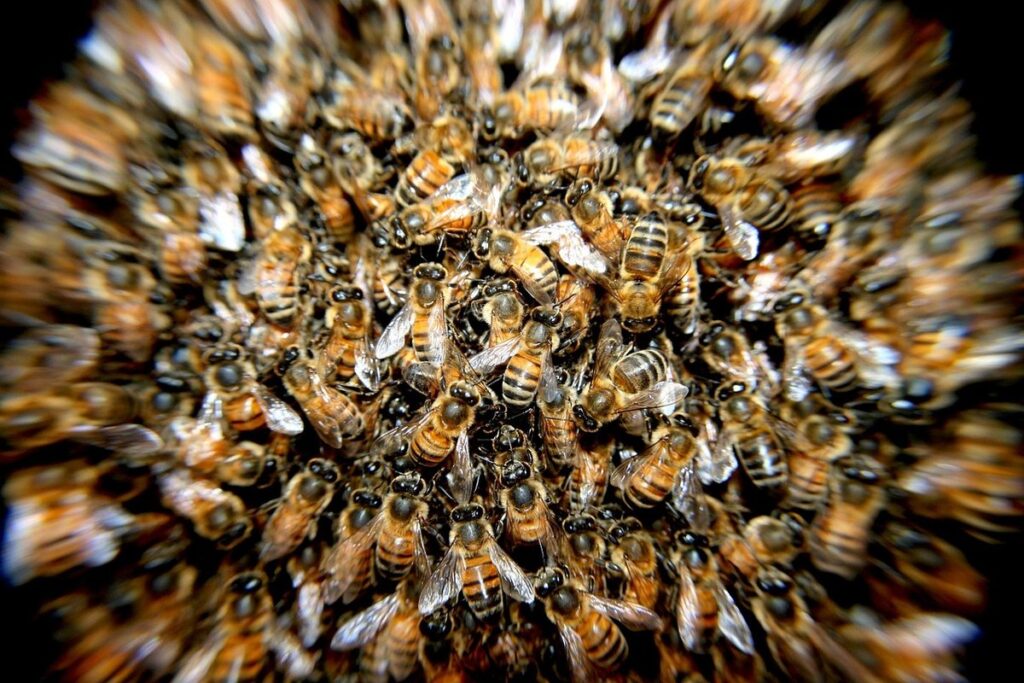
What is a Bee Swarm?
A bee swarm is actually a group of bees that have left their original colony to find a new home, often clustering on a nearby object. This behavior can be both fascinating and intimidating for those who encounter it.
The Purpose of a Swarm
A bee swarm occurs when a colony becomes too large for its existing space, prompting the queen to leave with a large group of worker bees in search of a new home. This natural process allows colonies to expand and ensure their survival.
In essence, the purpose of a swarm is to facilitate the growth and reproduction of the colony. By splitting off a portion of the population, the original colony reduces its overcrowding and prevents the queen from laying eggs too quickly, which can lead to decreased honey production and increased disease susceptibility. At the same time, the swarm embarks on a new territory, where it will establish a new colony.
This process is essential for the long-term survival of the bee species. Without swarming, colonies would eventually reach a point where resources become scarce, leading to reduced fertility and increased mortality rates. By allowing colonies to expand through natural means, bees ensure that their populations remain healthy and thriving.
Signs Indicating a Swarm is Imminent
A swarm is often preceded by subtle signs that a colony is preparing to split. One key indicator is an increase in honey production. As a colony grows and prepares for the impending swarm, it will typically produce more honey than usual to sustain itself during the swarming process. You may notice your beehives producing an abundance of honey, or even overflowing with excess stores.
Another sign that a swarm is imminent is changes in bee behavior. Bees become increasingly restless and agitated as the swarm date approaches. They may begin to abandon their hive at night, only to return in the morning. This behavior is often accompanied by a marked increase in flying activity within the hive. If you observe this pattern, it’s essential to inspect your colony closely.
Colony growth itself can also signal that a swarm is about to occur. A strong, healthy colony may produce multiple swarms if not managed properly. To mitigate this risk, beekeepers must carefully monitor their colonies’ growth and take proactive steps to prevent swarming. This might involve creating additional hives or splitting the existing one to provide room for the growing colony.
A sudden influx of new bees can also be a sign that a swarm is on the horizon. If you notice an unusually large number of bees clustering around the hive entrance, it may indicate that a new queen has emerged and the colony is preparing to leave.
The Benefits of Bee Swarms
As you learn more about bee swarms, it’s essential to understand the advantages they offer to bees and their colonies. By doing so, you’ll gain a deeper appreciation for these fascinating natural events.
Ecological Importance
Bee swarms are essential pollinators, transferring pollen between plants to facilitate plant reproduction. This process is crucial for the health and diversity of ecosystems. Without bee swarms, many plant species would struggle to reproduce, leading to a decline in biodiversity.
To illustrate this point, consider a study on red clover, which found that bees are responsible for around 90% of its pollination. In areas where bee populations are dwindling, red clover yields can drop by as much as 70%. This is just one example of the significant impact bee swarms have on plant reproduction.
Bee swarms also play a vital role in maintaining ecosystem health through their influence on plant composition. By transferring pollen between plants, they help to disperse seeds and facilitate the growth of new species. In turn, this can lead to changes in soil quality, water cycling, and even the local climate.
For beekeepers looking to create a healthy environment for their bees, it’s essential to consider the ecological importance of swarm formation. By understanding the role that swarms play in pollination and ecosystem health, you can take steps to support these processes and promote the long-term sustainability of your apiary.
Opportunities for Beekeepers
Establishing a new colony from a swarm is often more efficient than starting from scratch. This is because the bees have already developed a social structure and are familiar with their queen, which reduces the risk of disease and improves overall health. By capturing a swarm, beekeepers can transfer this established population to a new location, where they will begin producing honey and pollinating crops.
When splitting an existing colony to create a new one, beekeepers should aim for a balance between retaining experienced bees and introducing younger workers. Typically, it’s best to split when the colony has at least 10,000 bees and is showing signs of overcrowding. This ensures that the new colony will have enough resources to thrive.
Splitting or establishing new colonies also promotes genetic diversity within bee populations. By transferring bees between locations, beekeepers can help mitigate the effects of diseases like Varroa mite infestations and American Foulbrood. This is particularly important for maintaining healthy apiaries in areas with limited resources or high disease pressure.
Identifying and Capturing a Swarm
When you spot a swarm of bees, it’s essential to identify whether they’re swarming or just congregating, as this can affect your approach. This section will cover how to safely assess and capture a genuine swarm.
Recognizing a Swarm Site
When identifying a swarm site, look for areas where bees have clustered on a surface. This can be a tree branch, fence post, or even a building. These clusters are often accompanied by an abundance of flowers nearby, which provides the bees with a source of nectar and pollen.
Bees tend to choose surfaces that provide good insulation, such as wood or bamboo, and protection from wind and rain. They may also cluster on structures like birdhouses, garden ornaments, or even electrical boxes. When observing a swarm site, take note of the surrounding environment: are there nearby flowers in bloom? Are there other bees flying around?
To increase your chances of spotting a swarm site, inspect areas with an overabundance of flowers, especially during peak blooming seasons. Consider visiting these locations at dawn or dusk when bees are most active. Keep in mind that swarm sites can be small and easily overlooked, so take your time to thoroughly survey the area.
In some cases, you may see a “beard” – a cluster of bees hanging from a surface by their legs. This is often a sign that they’re preparing to move on, but it’s worth investigating further to determine if this is indeed a swarm site.
Equipment Needed for Capture
A smoker is a crucial piece of equipment for capturing a swarm, as it helps to calm the bees by masking their alarm pheromones. When choosing a smoker, look for one with a metal or ceramic bowl that can be easily loaded with fuel. This will ensure a consistent flow of smoke and help you avoid having to constantly refill the device.
In addition to a smoker, a beekeeping net is also essential for safely capturing and containing a swarm. A net protects you from stings while allowing you to work closely with the bees. Opt for a net made from durable materials like nylon or polyester, and consider one with a integrated veil to provide extra protection.
A good quality veil is also necessary when working with swarms. It should fit snugly over your face and be made from a material that allows for clear vision, such as mesh or netting. Some veils come with additional features like a breath guard or a strap to secure it in place.
When purchasing equipment, consider the size of the swarm you’re likely to encounter and choose items accordingly. For example, if you’re working with larger swarms, you may prefer a smoker with a larger fuel capacity.
Preparing Your Apiary for a New Swarm
Before bringing home that new swarm, it’s essential to prepare your apiary by cleaning and inspecting equipment and ensuring you have enough space for the bees. This ensures a smooth integration process for both you and the bees.
Creating a Suitable Environment
Before introducing a new colony to your apiary, it’s essential to create a suitable environment for the bees to thrive. Start by thoroughly cleaning and inspecting the area, removing any debris or old equipment that may attract pests or harbor diseases. Check for signs of past pest infestations, such as wax moths or small hive beetles, and take steps to prevent re-infestation.
Ensure the apiary has adequate space for the new colony to expand. A general rule of thumb is to provide at least 4-6 feet of clearance around each hive, allowing bees to move freely without congestion. Also, consider the proximity of neighboring hives and ensure they are not too close together, which can lead to competition for resources.
Inspect the site for any nearby food sources that may attract pests or create an imbalance in the colony’s ecosystem. Remove any nearby weeds or flowers that may harbor diseases or attract predators. By creating a clean, well-ventilated, and spacious environment, you’ll be setting your new colony up for success. Regularly inspect the apiary to maintain its health and prevent problems down the line.
Choosing the Right Location
When selecting a location for your new swarm, it’s essential to consider three key factors: sunlight, water, and proximity to forage. Bees need direct sunlight to regulate their body temperature and metabolize nectar, so choose an area that receives at least six hours of direct sunlight per day.
Access to clean water is also crucial for bee health. Ensure the location you’ve chosen has a nearby source of fresh water, such as a pond or a stream, where your bees can collect water without having to travel far. Aim to have a water source within 100 feet of the apiary to minimize energy expenditure.
Finally, proximity to forage is vital for your swarm’s long-term health and productivity. Bees need access to an abundance of nectar-rich flowers and pollen sources to feed themselves and their young. When selecting a location, consider areas with nearby parks, gardens, or orchards that will provide a steady supply of food throughout the growing season.
In general, it’s best to avoid locations near busy roads, pesticide-treated areas, or other potential hazards. Opt for a spot with a mix of open space and vegetation to create a diverse and thriving ecosystem for your bees.
Handling Bee Stings and Allergic Reactions
If you’ve ever been stung by a bee, it’s essential to know how to react quickly and safely to prevent any further harm. We’ll cover what to do in case of a bee sting and allergic reactions.
First Aid for Sting Victims
When a bee sting occurs, it’s essential to act quickly but carefully. The first step is to remove the stinger from the affected area as soon as possible. Use a credit card or a similar tool to gently scrape out the stinger, taking care not to push on it and release more venom into your skin.
Once the stinger is removed, wash the affected area with mild soap and lukewarm water to clean the site. This helps prevent infection by removing any remaining debris and venom. After washing, apply a thin layer of antiseptic cream or ointment to further reduce the risk of infection.
It’s also crucial to monitor for signs of an allergic reaction, which can range from mild redness and swelling to more severe symptoms like difficulty breathing or rapid heartbeat. If you experience any of these warning signs after a bee sting, seek medical attention immediately. Keep in mind that some people may not react until several hours after the initial sting, so it’s always better to err on the side of caution.
If you’re unsure about what to do for someone who has been stung or if you need further guidance on managing an allergic reaction, consider consulting a healthcare professional or an experienced beekeeper for advice.
Managing Severe Allergies
If you experience severe allergic reactions to bee stings, it’s crucial to take preventive measures and be prepared for emergency situations. Severe allergy sufferers should always carry an epinephrine injector, such as an EpiPen, with them. These devices can provide a lifesaving dose of medication in the event of a severe reaction.
When handling bees or being around potential swarm sites, it’s essential to monitor your body for any signs of an allergic response. Common symptoms include hives, itching, swelling, and difficulty breathing. If you notice any of these symptoms, seek immediate medical attention. Do not delay treatment, as severe reactions can progress rapidly.
In the event of a severe reaction, administer the epinephrine injector according to the manufacturer’s instructions. Then, call emergency services or rush to a hospital for further treatment. Medical professionals may also administer additional medications to help manage symptoms and prevent anaphylaxis. It’s essential to have a plan in place for emergency situations, including knowing how to use your EpiPen and having a backup device readily available.
Long-Term Care of a New Colony
Once you’ve successfully introduced your new bee colony, it’s essential to develop a long-term care plan that ensures their health and productivity. This includes regular monitoring and maintenance tasks.
Monitoring for Disease and Pests
When inspecting your colonies for disease and pests, it’s essential to look for subtle signs rather than waiting for overt symptoms. Check for discoloration on the bees’ bodies, unusual odors, or changes in behavior such as increased agitation or reduced activity. Regularly examine the hive’s structure, noting any damage to comb, wood, or other components.
A common indicator of disease is a higher-than-usual mortality rate among worker bees. This can be caused by pathogens like American Foulbrood or Nosema, which require prompt treatment. Pests like small hive beetles, mice, and wasps can also compromise your colony’s health. Be prepared to treat infestations with targeted chemicals or by introducing beneficial insects that prey on these pests.
For pests like small hive beetles, use a shallow dish of water near the hive entrance to trap them. Replace this dish regularly to prevent re-infestation. For diseases, consider using integrated pest management (IPM) strategies that combine sanitation, chemical treatment, and natural controls. This may involve splitting an affected colony or culling infested individuals.
When dealing with pests, it’s crucial to identify the problem accurately before taking action. Be prepared to respond quickly if you notice any unusual signs of disease or pest activity.
Managing the Queen’s Cycle
The queen’s life cycle is a critical component to understand when managing a new colony. A queen bee typically lives for 2-3 years, although some queens have been known to live up to 5 years. During her lifespan, the queen will produce thousands of eggs per day, which can lead to a rapid expansion of the colony.
It’s essential to plan for the queen’s eventual replacement as she ages. Queens usually reach their peak production around 1-2 years of age and then begin to decline in productivity. As you monitor your queen’s performance, keep an eye out for signs of aging, such as reduced egg-laying or decreased mobility.
To ensure a smooth transition when replacing the queen, it’s recommended to have a younger replacement ready to go before the old queen declines. This can be achieved by introducing a new queen at around 2-3 years of age and allowing her to mature for several months before taking over as the primary egg-layer.
Advanced Techniques for Swarm Management
As you gain experience managing swarms, it’s time to take your skills to the next level by mastering advanced techniques that will give you greater control and confidence.
These expert methods include strategies for anticipating and preventing swarm departure, as well as tactics for capturing and relocating bees in complex situations.
Splitting Colonies
When your colonies reach optimal size, typically around 60,000 to 80,000 bees, it’s time to split them. This process is crucial for maintaining genetic diversity and preventing overcrowding, which can lead to disease and pest issues. By creating new queens through grafting or cell division, you can establish new colonies that are less prone to these problems.
To split a colony successfully, you’ll need to select a healthy, laying queen and 2-3 frames of brood from the original hive. This will provide enough bees for a strong start in the new colony. Grafting involves transferring larvae into artificial cells, while cell division involves creating divisions within existing cells. Both methods are effective for producing new queens.
It’s essential to consider factors like nectar flow and space when determining the best time for splitting. Typically, spring and early summer are ideal times for this process. By following these steps and timing your splits correctly, you can promote a healthy, thriving colony and set it up for long-term success. This will also give you an opportunity to evaluate your queen’s performance and make any necessary adjustments to your breeding program.
Breeding Programs
Developing a breeding program for bees involves selecting individuals with desirable traits to improve colony performance. The primary goal is to increase honey production, enhance cold hardiness, or boost resistance to disease. To achieve this, beekeepers can use techniques such as linebreeding and selection.
Linebreeding involves mating queens from the same lineage to concentrate desirable traits within a specific genetic pool. This method requires careful planning and record-keeping to track the queen’s ancestry and offspring performance. Selection focuses on identifying individual bees with exceptional characteristics, such as high honey production or resistance to varroa mites, and breeding them with other top-performing individuals.
Beekeepers can also use artificial insemination (AI) to introduce new genetic material into their colonies. This technique allows for the controlled introduction of desirable traits from one queen to another. For example, a beekeeper might AI a queen with high honey production onto a colony with excellent cold hardiness. By combining these methods, beekeepers can create a breeding program that targets specific goals and improves overall colony performance.
A key consideration is selecting queens with a strong genetic foundation, which can be done by evaluating the queen’s parents and grandparents.
Frequently Asked Questions
Can I Release a Swarm in a Public Park?
Yes, it’s generally safe to release a swarm in a public park if the area has minimal foot traffic and is surrounded by flowers. However, always ensure you have permission from local authorities before releasing bees.
How Often Should I Inspect My Colonies for Disease and Pests?
Regular inspections should be conducted at least once a week during peak seasons (spring and summer) when colonies are most active. Be aware of signs such as unusual bee behavior, damaged brood, or the presence of pests like mites or small hive beetles.
What If I’ve Captured a Swarm but Can’t Identify the Queen?
If you’re unable to locate the queen within 24 hours after capturing the swarm, it’s best to release the bees and wait for another opportunity. Queens are usually present when swarms occur, so patience is key in these situations.
Is It Possible to Breed Bees for Specific Traits if I’m a Beginner Beekeeper?
Breeding programs can be complex and require extensive knowledge of bee biology and genetics. As a beginner beekeeper, it’s recommended to start with simpler approaches like selecting for desirable traits through natural selection or using commercial queen bees. Advanced breeding requires significant experience and expertise.
Can I Use a Swarm as an Opportunity to Create Multiple New Colonies at Once?
Yes, swarms can be a great opportunity to create multiple new colonies by splitting the swarm into smaller groups. This process involves creating new queens through grafting or cell division and is crucial for promoting genetic diversity within your apiary.