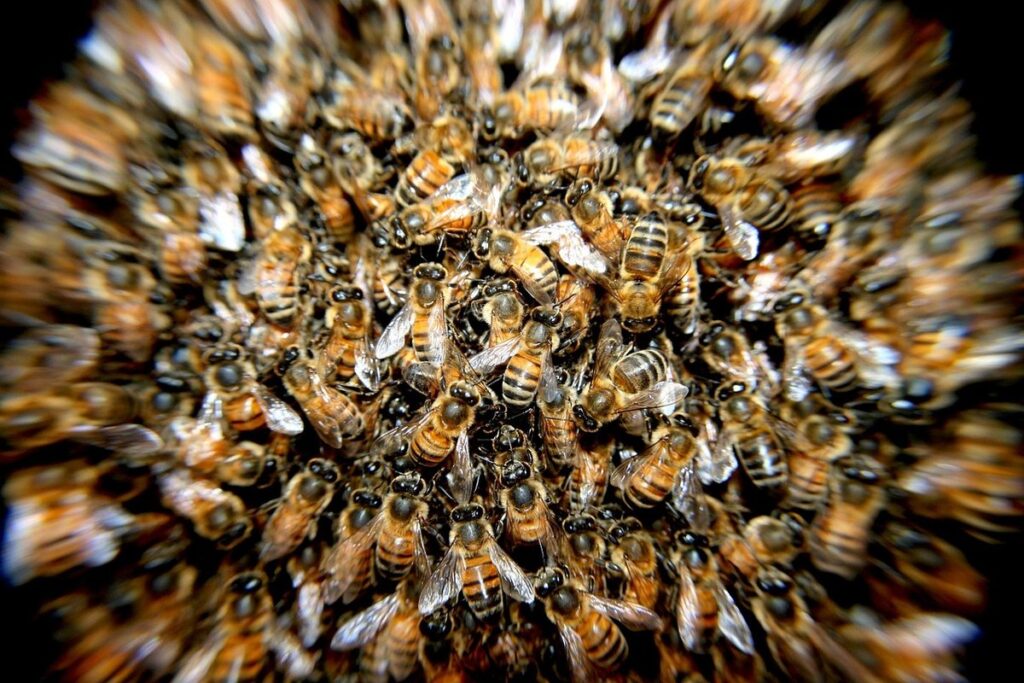
Bee swarms can be a frightening sight for anyone who has never witnessed one before. These sudden gatherings of bees in the air can seem chaotic and unpredictable, but they’re actually a natural process that occurs when a colony becomes overcrowded or threatened by disease, pests, or poor nutrition. You might have noticed your bee colonies are struggling to thrive despite your best efforts to care for them, leading to swarms that can be both alarming and costly to manage. To prevent these unwanted events from happening in the first place, it’s essential to understand the underlying causes of bee swarming and implement effective strategies for managing overcrowding, nutrition, disease, and pests. By learning how to identify warning signs and take proactive measures, you’ll be able to keep your colonies healthy and productive, reducing the risk of swarms and ensuring a steady supply of honey and other valuable products.
What is Bee Swarming?
Bee swarms form when a colony becomes too large and a new queen takes off with a group of worker bees, leaving behind an empty hive. We’ll break down this complex process in detail.
The Natural Process of Swarming
Bee swarming is a natural process where a new colony forms from an existing one. This occurs when the parent hive becomes too crowded and needs to expand its population. A swarm typically consists of a queen bee, thousands of worker bees, and a few hundred drones. The trigger for swarming is often a combination of factors, including the availability of food, water, and suitable nesting sites.
When a colony reaches its maximum capacity, it will begin to produce new queens through a process called “supersedure.” One or more of these new queens will then leave the hive with a large group of worker bees to establish a new colony. This swarm is usually led by the queen bee, who takes flight and signals the departure of the rest of the colony.
The formation of swarms can be triggered by various factors, including an increase in food availability or the presence of suitable nesting sites. Beekeepers often look for signs of swarming behavior, such as increased activity around the hive entrance or the presence of swarm cells on the hive walls.
Signs of Imminent Swarming
As a beekeeper, it’s essential to recognize the signs of imminent swarming to prevent colony loss and reduce the risk of swarms taking over your property. Increased activity is often one of the first warning signs that a hive may swarm soon. You’ll notice bees flying more frequently, particularly in the morning and evening hours when foraging is at its peak.
The presence of a new queen is another critical indicator. A mature queen will start producing pheromones to signal her readiness to leave the colony with a portion of the workers. This can be detected by placing a frame containing the brood in a separate observation hive or a queen excluder on the parent hive’s entrance. If you observe a large number of eggs or larvae without a developed queen, it may indicate that the existing queen is weakening and preparing to depart.
Monitor your hive for these signs regularly, especially during peak swarming season (usually spring and summer months). Early detection allows you to implement preventative measures, such as creating a nucleus colony or using swarming suppression methods.
Causes of Bee Swarming
So, why do bees swarm in the first place? Let’s examine some common causes that lead to this natural phenomenon and how they can impact your beekeeping endeavors.
Overcrowding in the Hive
When a hive becomes overcrowded, it can trigger a swarm. A healthy colony typically has one queen bee and 30,000 to 60,000 worker bees. However, when the population grows beyond this optimal range, the colony’s social structure is disrupted. The queen’s pheromone levels drop, signaling the emergence of new queens in the hive. This process is known as “supersedure,” where a swarm of bees led by a new queen will leave the hive to establish a new home.
To manage overcrowding, beekeepers can split the colony into two or more nuclei. This involves removing frames with eggs and brood from the parent hive and placing them in separate boxes. The goal is to reduce the population density and give the remaining bees enough space to forage and store food without causing swarming. A common rule of thumb is to split a hive when it reaches 60,000 workers or more per frame.
Poor Nutrition or Water Availability
Poor nutrition can cause a colony to become weakened, making it more susceptible to disease and pests. This, in turn, increases the likelihood of swarming as the colony attempts to escape its unhealthy environment. A diet lacking essential nutrients can also lead to decreased honey production, which is often the primary reason for beekeepers to manage their colonies.
A lack of water is another critical issue that can precipitate swarming. Colonies require a consistent supply of clean water for drinking and cooling themselves. Dehydration can cause bees to become aggressive and disoriented, further increasing the risk of swarming.
Some signs of poor nutrition or water availability include:
- Reduced honey production
- Weakened colony overall health
- Increased pest infestations
- Aggressive bee behavior
To address these issues, beekeepers should regularly inspect their colonies for signs of inadequate nutrition and water. They can also implement strategies such as providing supplemental feedings during times of drought or offering additional water sources to ensure the colony’s hydration needs are met. By prioritizing colony health through proper nutrition and hydration, beekeepers can reduce the likelihood of swarming and promote a healthier, more resilient colony.
Disease or Pests
Disease or pests can be a significant trigger for swarming behavior in bees. Fungal diseases like American Foulbrood (AFB) and Nosema can weaken the colony, causing it to become more susceptible to leaving the hive. Parasitic mites, such as Varroa and Acari, are another common issue that can lead to swarming.
When a colony is struggling with disease or pests, it’s often a sign that something has gone wrong in terms of management or nutrition. A small infestation of Varroa mites, for example, may be manageable with regular treatments, but if left unchecked, it can cause significant damage to the colony. Some common signs of pest or disease issues include discolored wings, deformed brood, and an unusual amount of dead bees on the ground.
To prevent swarming due to disease or pests, beekeepers must maintain a clean and healthy environment within the hive. This includes regularly inspecting for signs of mites or fungal diseases, removing any infested frames, and taking steps to control pest populations before they become too severe. Regular monitoring and prompt action can help minimize the risk of swarming caused by disease or pests.
Preparing for a Swarm
As you prepare for a swarm, understanding the warning signs and timing of a bee swarming event is crucial to preventing damage and keeping yourself safe. A sudden increase in bee activity can indicate an impending swarm.
Creating a Nucleus Colony
To create a nucleus colony, you’ll need to set up a new hive with a small population of bees. This will serve as a trap for an emerging swarm, which is more likely to settle into a nearby hive than take off. Typically, the nucleus colony consists of 3-5 frames, each containing around 10,000-20,000 worker bees.
When preparing the nucleus colony, consider using frames with brood or eggs to encourage queen acceptance and establish a strong colony foundation. Place the new hive near the parent hive, ideally within 10-15 feet, to increase the chances of capturing the swarm.
Some beekeepers also install a “nucleus trap” – a small box or sectioned area within the existing hive where the swarm can settle before being transferred into the nucleus colony. This allows for a more controlled transfer and minimizes disruption to both colonies.
Swarming Suppression Methods
To suppress swarming, beekeepers can employ various techniques. One approach is to use smoke to calm the bees, reducing their activity and making them less likely to swarm. However, be cautious not to overdo it, as excessive smoke can stress the colony.
Feeding sugar syrup to the bees is another method. This provides an alternative source of energy, potentially offsetting the need for swarming. The syrup should be fed in moderation, as excessive sugar consumption can harm the colony’s overall health.
Swarm traps are also effective in redirecting the swarm away from the parent hive. These specialized boxes mimic the conditions that attract swarms and encourage them to settle inside. Regularly inspecting these traps is crucial to prevent the bees from becoming trapped.
In some cases, beekeepers may combine multiple techniques to achieve optimal suppression results. For instance, using smoke in conjunction with sugar syrup feeding can help reduce the colony’s stress levels and energy needs simultaneously.
Post-Swarm Hive Management
Once you’ve successfully prevented a swarm, it’s essential to manage your hive effectively to ensure the health and productivity of your colony. We’ll explore the key considerations for post-swarm hive management.
Assessing and Restocking the Parent Hive
After a swarm has departed, it’s essential to assess the remaining population of the parent hive. This evaluation helps determine if additional measures are necessary to prevent further swarming. Begin by checking the brood nest for signs of reduced egg-laying or queen failure. If you notice these indicators, consider splitting the colony to provide a new queen and alleviate overcrowding.
When evaluating the hive’s population, also look for any changes in food stores or water consumption patterns. A significant decrease could indicate that the swarm took with it most of the bees responsible for foraging. In such cases, supplementing the parent hive with additional nectar sources or installing a nearby feeding station may be necessary to support the remaining bees.
When restocking the parent hive, opt for introducing a new queen rather than adding frame(s) from another colony. This approach minimizes disease transmission and prevents potential conflicts between established worker bees and introduced foragers.
Ensuring Optimal Colony Health
Regular inspections are crucial to maintaining optimal colony health. You should check the hive at least once a week during peak swarming season, looking for signs of disease, pests, and nutritional deficiencies. Keep an eye out for symptoms like discolored brood, unusual odors, or excessive dead bees.
Nutrition management is also vital. Ensure your bees have access to a diverse range of nectar-rich flowers and maintain adequate water supplies within 3 feet of the hive entrance. A typical colony needs around 30-40 pounds of honey per year, but this can vary depending on climate, forage quality, and other factors.
Disease control measures should be implemented promptly when necessary. Consider using integrated pest management (IPM) techniques that combine physical barriers, chemical controls, and cultural practices to minimize harm to beneficial organisms. For example, you might use essential oils or herbal treatments to combat Varroa mite infestations.
In addition to these proactive measures, it’s also essential to respond quickly when a disease outbreak occurs. Isolate affected colonies and take steps to prevent the spread of disease through proper hive cleaning, sanitation, and disinfection practices.
Advanced Swarming Prevention Techniques
To effectively prevent swarms, you’ll want to focus on more advanced techniques that can help identify and address issues before they lead to a swarm. This includes monitoring for specific warning signs and adjusting your hive’s environment accordingly.
Integrated Pest Management (IPM)
Implementing Integrated Pest Management (IPM) is a crucial aspect of minimizing pests and diseases that can lead to swarming. IPM involves monitoring and managing pest populations using a combination of techniques, rather than relying on a single approach like chemical pesticides. This multi-faceted approach includes identifying the types of pests present in the hive, tracking their populations, and implementing control measures when necessary.
To implement IPM effectively, beekeepers must first identify potential threats to their colony’s health. This can involve inspecting the hive regularly for signs of disease or pest infestation. Next, beekeepers should develop a plan for managing these threats, which may include introducing beneficial insects, such as mites predators, or using essential oils that repel pests.
Some key elements of an effective IPM strategy include:
• Regular monitoring of the colony’s health and population dynamics
• Identification and control of pests through non-chemical means whenever possible
• Maintenance of a clean and well-ventilated hive environment
By implementing these strategies, beekeepers can reduce the risk of swarming caused by pests and diseases.
Genetic Considerations in Bee Breeding
Genetic considerations play a crucial role in bee breeding programs aimed at reducing swarming tendency. Beekeepers can inadvertently perpetuate undesirable traits by selecting for characteristics such as rapid growth and high honey production, which are often associated with increased swarming behavior.
A key factor to consider is the queen’s genetic makeup. Selecting queens from stock known to have low swarming propensity can significantly impact a colony’s overall behavior. Research has shown that certain breeds, like the Italian bee, tend to swarm more frequently than others due to their genetics.
Incorporating genetic diversity through cross-breeding and selecting for desirable traits is essential in breeding programs focused on swarming prevention. This approach allows beekeepers to balance characteristics such as growth rate and honey production with the colony’s natural tendency to swarm. A well-planned breeding program can help reduce the likelihood of swarming by introducing queens that are more docile and less prone to absconding.
Some popular breeds known for their low swarming tendency include Carniolans, Buckfasts, and Italian bees crossed with Carniolan stock.
Conclusion and Final Tips
Now that you’ve learned how to prevent bee swarming, let’s summarize key takeaways and provide some final tips for a successful beekeeping experience.
Recap of Key Takeaways
When it comes to bee swarming, several key takeaways emerge from our exploration of the process and prevention techniques. Firstly, overcrowding in the hive is a primary cause of swarming, making proper management of colony size crucial for preventing this issue. Additionally, poor nutrition or water availability can also contribute to swarming behavior.
To mitigate these causes, beekeepers must adopt effective prevention methods such as creating a nucleus colony or using swarming suppression techniques like smoke or manipulation of the queen’s presence in the hive. These strategies require a thorough understanding of the colony’s dynamics and prompt action when signs of imminent swarming become apparent.
After a swarm has occurred, it is essential to assess and restock the parent hive to maintain optimal colony health. This involves evaluating the remaining bees’ nutrition, water availability, and overall well-being before reintroducing the queen or introducing new bees to prevent overcrowding. By applying these post-swarm management strategies, beekeepers can recover from a swarm event and establish a thriving colony.
Best Practices for Beekeepers
Regular inspections of the hive are crucial for early detection of issues that can lead to swarming. Beekeepers should aim to check their colonies at least once a week during peak swarming seasons, which typically occur in late spring and early summer. During these visits, inspect the hive’s population density, brood pattern, and queen health. A healthy colony should have a balanced population with sufficient stores of honey and pollen.
To maintain optimal conditions, beekeepers should also ensure that their hives are located in areas with good air circulation and adequate sunlight. This can help prevent moisture buildup within the hive, which can contribute to disease and pest issues. Furthermore, maintaining a diverse range of flora nearby will provide a reliable nectar source for the colony.
It’s also essential for beekeepers to have a plan in place for swarm management, including a protocol for splitting colonies before they become too populous. This proactive approach can help prevent swarming and ensure the long-term health of the apiary. By following these best practices, beekeepers can create a thriving environment that minimizes the risk of swarms and promotes colony stability. Regular updates to techniques and strategies will also help them stay ahead of potential issues.
Frequently Asked Questions
Can I use swarm traps for all types of bee species?
Yes, swarm traps can be used to capture swarms from various bee species, including European honey bees and native bumblebees. However, it’s essential to choose the right trap size and type suitable for the specific species you’re targeting.
What if I miss warning signs of an impending swarm, and my hive still swarms?
If your hive has already swarmed despite identifying some warning signs, don’t panic. Assess the remaining colony population and adjust your management strategies accordingly. You may need to create a new nucleus colony or implement suppression methods for the next swarm.
How do I determine whether a swarm is successful in establishing a new colony?
A successful swarm typically forms a strong, healthy colony within 6-8 weeks after leaving the parent hive. Look for signs of growth, such as increased brood production, stores, and worker bee population. Monitor the new colony’s health and adjust your management strategies to ensure optimal conditions.
What are some common mistakes to avoid when creating a nucleus colony?
Some common pitfalls include underestimating the space needed for the new colony, not providing adequate nutrition or water, and failing to monitor the colony’s progress closely. Be prepared to make adjustments as necessary to prevent setbacks and ensure the success of your new colony.
Can I use integrated pest management (IPM) strategies to control pests that contribute to swarming?
Yes, implementing IPM strategies can help minimize pest populations that contribute to swarming behavior. This approach involves a combination of methods such as cultural controls, biological controls, and chemical controls to manage pests effectively and reduce the likelihood of swarms.