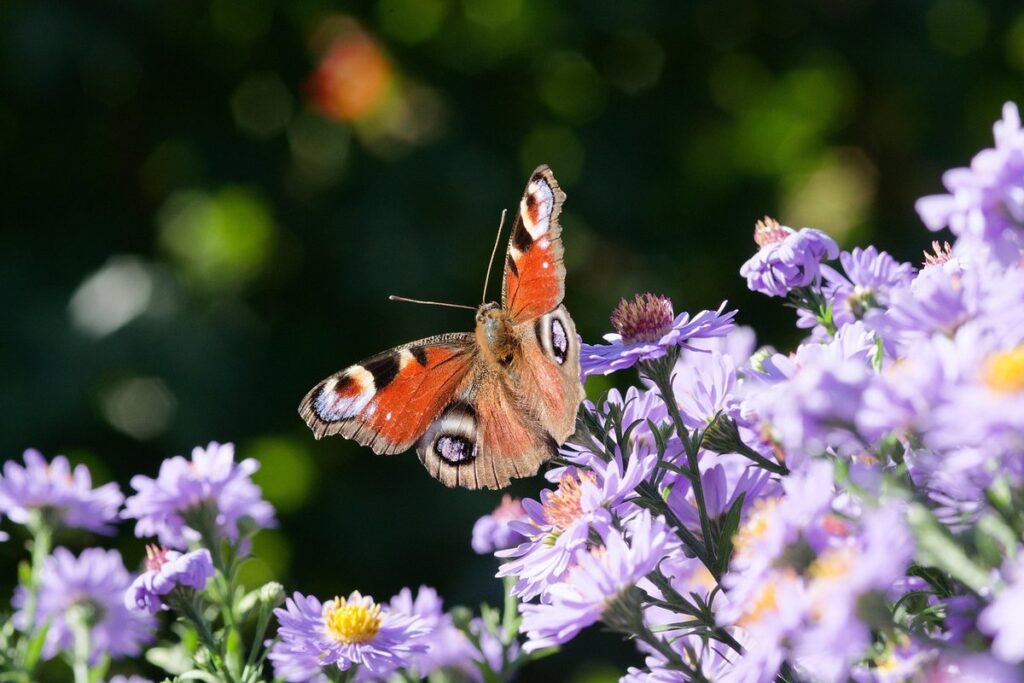
Creating a pollinator garden bed is an easy way to attract bees and butterflies to your yard. Many plants, especially those native to your region, rely on these beneficial insects for seed production and fruit set. Unfortunately, bee populations have been declining in recent years due to habitat loss and pesticide use. By establishing a pollinator garden, you can help counteract this trend by providing a haven for these vital creatures.
In this article, we’ll explore the basics of creating a pollinator-friendly garden bed. This includes selecting plants that are attractive to bees and butterflies, designing a space that provides adequate food and shelter, and learning how to maintain your new garden effectively. With simple tips and expert advice, you’ll be able to create a thriving pollinator garden bed in no time.
Understanding the Importance of Pollinators
Pollinators play a vital role in our ecosystem, and understanding their importance is crucial to creating a thriving garden bed. Let’s take a closer look at why bees and butterflies are essential for your garden’s health.
What are Pollinators?
Pollinators are insects, birds, and sometimes even bats that play a crucial role in plant reproduction. The most common pollinators you’ll find in a garden bed are bees, butterflies, and hummingbirds. Bees, specifically honeybees and native bees, transfer pollen between flowers to facilitate seed production. Butterflies also contribute by collecting nectar while visiting flowers, allowing for the exchange of pollen.
Other species that help with plant reproduction include moths, wasps, and flies. Some plants, like yucca and eucalyptus, are even pollinated by bats. It’s essential to create a diverse garden bed that caters to various pollinator species.
In terms of numbers, most gardens have a mix of these pollinators, but bees typically account for 80% of all pollination activity in many regions. This is why bee-friendly plants are often emphasized in gardening guides.
When selecting plants for your pollinator garden bed, consider the types of flowers that attract different species. For example, sunflowers and zinnias draw in bees and butterflies, while hummingbirds prefer tubular flowers like trumpet vines or coral bells.
Why Do We Need Pollinators?
Pollinators like bees, butterflies, and hummingbirds play a crucial role in food production. Without them, many crops would be unable to reproduce, leading to significant losses in yield and quality. For example, apples, blueberries, and almonds rely heavily on honeybees for pollination. In fact, it’s estimated that one-third of the food we eat is directly or indirectly dependent on animal pollinators.
Beyond food production, pollinators also contribute to ecosystem health. They transfer pollen between flowers, facilitating the reproduction of plants and maintaining biodiversity. This process helps maintain healthy populations of beneficial insects, like ladybugs and lacewings, which prey on pests that can damage crops. In turn, this supports a balanced ecosystem where plants, animals, and microorganisms coexist.
Pollinators also pollinate wildflowers and other native plants, which are essential for maintaining local biodiversity. As these plants reproduce, they provide food and shelter for various wildlife species, from birds to small mammals. By attracting pollinators to your garden bed, you’re not only supporting local food production but also contributing to a healthier ecosystem.
Planning Your Pollinator Garden Bed
As you begin designing your pollinator garden bed, let’s focus on the essential steps to take, starting with planning and layout. This will ensure a thriving haven for bees and butterflies from day one.
Choosing the Right Location
When selecting a location for your pollinator garden bed, it’s essential to consider several key factors. First and foremost, think about sunlight. Pollinators like bees and butterflies need warmth to fly and navigate, so choose a spot that receives at least six hours of direct sunlight per day. Be mindful of any nearby structures or trees that might cast shade on your garden.
Soil type is another crucial consideration. Pollinator-friendly plants prefer well-draining soil, rich in organic matter. Avoid areas with standing water or where water tends to collect, as this can lead to root rot and other issues. Proximity to water sources is also vital, but not necessarily for irrigation purposes. Many pollinators need shallow pools of water for drinking and bathing.
Consider the surrounding landscape, too. If your garden bed is located near a busy street or road, it may attract unwanted attention from cars and other vehicles. On the other hand, being situated in an open area can make it easier to spot and enjoy the pollinators visiting your garden.
Selecting Pollinator-Friendly Plants
When selecting pollinator-friendly plants for your garden bed, it’s essential to consider three key factors: nectar-rich flowers, host plants, and native species. Nectar-rich flowers provide a source of energy for pollinators like bees and butterflies, while host plants offer the necessary resources for specific pollinators to lay their eggs or complete their life cycle.
Choose flowers with high nectar content by selecting varieties that are rich in complex sugars, such as bees’ favorite lavender, coneflower, and black-eyed Susan. These flowers typically have a prominent shape or structure that guides pollinators towards the nectar source.
Host plants, on the other hand, offer specific resources to certain pollinators. For example, milkweed is essential for monarch butterflies, while coral bells serve as a host plant for the American lady butterfly. Incorporate these plants into your garden bed to provide a haven for specific pollinator species.
Native species are also crucial in creating a pollinator-friendly environment. These plants have co-evolved with local pollinators and offer a natural source of food and shelter. By choosing native plants, you’ll create a more diverse and resilient ecosystem that benefits both pollinators and your garden’s overall health. Consider planting a mix of native wildflowers, shrubs, and trees to attract a variety of pollinator species.
Designing Your Pollinator Garden Bed
Now that you’ve chosen your pollinator garden bed location, it’s time to think about designing a space that will attract and support these vital creatures. Here are some key considerations for creating a welcoming habitat.
Considering the Size and Shape of Your Garden
When designing your pollinator garden bed, it’s essential to consider the size and shape of your space. A larger area can provide more habitat for pollinators, but smaller beds can be just as effective if designed thoughtfully.
Garden size impacts diversity by allowing for a greater variety of plants to be included. For example, a 4×8 foot bed can accommodate several nectar-rich flowers like sunflowers and zinnias, while also providing space for host plants like milkweed and passionflower. In contrast, a small balcony garden might require more compact or trailing plants to maximize space.
The shape of your garden also plays a role in accessibility for pollinators. A curved bed or one with irregular edges can provide interesting nooks and crannies that attract beneficial insects. For instance, bees are often drawn to the corners of flowers where nectar is concentrated, so incorporating raised beds or mounds can help direct them towards these areas.
To maximize space and diversity in your pollinator garden, consider a rectangular bed with a length-to-width ratio of 2:1 or greater. This shape allows for easy navigation by pollinators while also providing ample room for planting a variety of species.
Incorporating Water Features and Shelter
Pollinators need water features to collect and store water for drinking, as well as to provide a site for mud puddling – a behavior where bees gather mineral-rich soil to use in their digestive systems. A shallow dish or birdbath with fresh water is an easy addition to your garden bed. Consider adding a few rocks or sticks for perching points, which can help reduce aggression among visiting pollinators.
Shelter from wind and extreme temperatures is also crucial for pollinator health. Native plants like shrubs or small trees provide natural protection, while structures like bee hotels and butterfly houses offer additional sheltered areas. When selecting materials, choose untreated wood to avoid chemical contamination. Consider adding a roof or canopy to create a more protected environment.
Some effective designs incorporate both water features and shelter in a single feature. For example, a rain chain or small pond with built-in overhangs can provide both water collection and shelter from the elements. When designing your garden bed, remember that pollinators are often attracted to areas with abundant vegetation – so prioritize native plants and consider adding a few large rocks for additional shelter and basking sites.
Plant Selection and Arrangement
When it comes to creating a pollinator garden bed, choosing the right plants is crucial for attracting bees and butterflies. Selecting the perfect flowers for your pollinator garden will ensure you’re supporting these vital visitors.
Nectar-Rich Flowers for Bees and Butterflies
When selecting flowers for your pollinator garden bed, it’s essential to choose plants with nectar-rich blooms that will attract bees and butterflies. These visitors are drawn to flowers with high nectar content, as they rely on the sweet liquid for energy.
Some popular options include:
- Sunflowers (Helianthus annuus) – a favorite of bees
- Zinnias (Zinnia spp.) – attractive to both bees and butterflies
- Lantana (Lantana camara) – a butterfly magnet
- Bee Balm (Monarda didyma) – a herbaceous perennial that attracts both pollinators
- Honeysuckle (Lonicera spp.) – a climbing vine with fragrant, nectar-rich flowers
Consider the specific needs of your local pollinator species. For example, honeybees are attracted to blue and yellow flowers, while butterflies prefer red, orange, and purple blooms.
Incorporating a mix of annuals and perennials will provide a constant source of nectar throughout the growing season. This diversity also ensures that your garden remains attractive to pollinators even as individual plants bloom and fade.
Host Plants for Specific Pollinators
When creating a pollinator garden bed, it’s essential to provide specific host plants for various pollinators. For instance, monarch butterflies rely on milkweed (Asclepias spp.) as their primary food source and host plant for caterpillars. This relationship is crucial because monarchs lay eggs exclusively on milkweed leaves, which the caterpillars feed on before pupating. Planting a mix of milkweed species can support multiple generations of monarchs.
Other pollinators have similar requirements. For example, the Eastern Tiger Swallowtail relies on plants in the citrus family (Rutaceae) like sweet bay magnolia (Magnolia virginiana) and citrus trees for their caterpillars’ food source. In contrast, bees often need a variety of host plants throughout their life cycle, such as legumes (Fabaceae) for alfalfa leafcutter bees and mint family (Lamiaceae) for certain bumblebee species.
To ensure you’re providing the necessary host plants, research the specific needs of your target pollinators. Some excellent resources include local nurseries, gardening clubs, or organizations specializing in pollinator conservation. By incorporating these essential host plants into your garden design, you’ll be supporting the life cycle of various pollinators and fostering a thriving ecosystem within your pollinator garden bed.
Maintenance and Care of Your Pollinator Garden Bed
Now that your pollinator garden bed is thriving, it’s time to learn how to keep it healthy and vibrant by regularly pruning and watering. Regular maintenance will ensure your flowers bloom year after year.
Watering and Mulching Strategies
When watering your pollinator garden bed, it’s essential to strike a balance between providing enough moisture for plants to thrive and avoiding overwatering. Aim to water deeply but infrequently, allowing the soil to dry slightly between waterings. This encourages deep root growth and helps prevent fungal diseases that thrive in soggy conditions.
For most flowers, 1-2 inches of rainfall or irrigation per week is sufficient during the growing season. Monitor local weather forecasts to plan your watering schedule accordingly. If you notice plants wilting or showing signs of drought stress, increase the frequency of waterings. Conversely, if rain is plentiful or irrigation systems are efficient, reduce the amount of supplementary water.
Mulching is another critical aspect of maintaining a healthy pollinator garden bed. Organic mulch materials like wood chips, bark, or straw help retain soil moisture, suppress weeds, and regulate soil temperature. Apply a 2-3 inch layer of mulch around plants, keeping it a few inches away from plant stems to prevent rot and other issues.
When choosing a mulching material, consider its color and texture. Dark-colored mulches can heat up quickly, potentially harming plants in warmer climates. Lighter options like straw or pine straw are often better choices for these areas.
Monitoring and Adapting to Seasonal Changes
Monitoring and adapting to seasonal changes is crucial for maintaining a thriving pollinator garden bed. As the seasons shift, so do the needs of your plants and pollinators. In spring, new growth emerges, and flowers bloom, attracting a surge of bees and butterflies. However, as summer progresses, temperatures rise, and droughts can become common. To address this, adjust your watering schedule to accommodate the changing weather conditions.
Keep an eye out for signs of heat stress in plants, such as yellowing leaves or droopy stems. For example, lavender and rosemary are particularly susceptible to heat stress; consider providing some shade for these sensitive plants during peak sun hours. In contrast, cooler temperatures and increased rainfall in fall can lead to a proliferation of pests like aphids and slugs.
Regularly inspect your garden to identify any issues early on. Look for dead or dying flowers, and remove them to prevent the spread of disease. Also, consider introducing beneficial insects like ladybugs and lacewings, which prey on common pests. By monitoring your garden’s performance and adapting to seasonal changes, you can ensure that your pollinator garden bed remains a haven for bees, butterflies, and other wildlife throughout the year.
Overcoming Common Challenges in Pollinator Garden Beds
Pollinator garden beds often face specific challenges that can deter these crucial visitors. Let’s tackle common issues like overcrowding, poor soil quality, and inadequate water sources head-on.
Dealing with Pests and Diseases
Common pests like aphids, whiteflies, and thrips can decimate a pollinator garden bed. These insects feed on plant sap, weakening the plant’s defenses and leaving it vulnerable to disease. To manage these pests, introduce beneficial insects such as ladybugs or lacewings that prey on them. You can also use neem oil or insecticidal soap to control infestations.
Diseases like powdery mildew and root rot are often caused by fungal pathogens that thrive in humid environments. Reduce moisture levels by ensuring good air circulation, watering plants in the morning to allow excess water to evaporate during the day, and mulching around plant bases to prevent splashing water from reaching the roots.
Some pollinator-friendly plants are more susceptible to certain pests or diseases than others. For example, bee balm (Monarda didyma) is often targeted by aphids, while butterfly weed (Asclepias tuberosa) can be vulnerable to powdery mildew. By choosing a diverse range of plants that are resistant to specific pests and diseases, you can create a more resilient pollinator garden bed.
Monitor your plants regularly for signs of infestation or disease, and take action promptly if you notice any issues.
Addressing Wind, Erosion, and Other Environmental Factors
To address wind, erosion, and other environmental factors in your pollinator garden bed, consider implementing a few key strategies. For areas prone to strong winds, select plants with flexible stems or those native to windy regions. These plants have adapted to withstand gusts without breaking or becoming disfigured.
Mulch can also help reduce soil erosion by holding the ground in place and preventing sediment from washing away. Apply a layer of organic mulch, like wood chips or bark, around 2-3 inches thick to protect the soil surface.
When it comes to extreme weather events, such as heavy rainfall or droughts, plan for some flexibility in your garden bed’s design. Include a mix of plants that tolerate varying moisture levels and incorporate features like rain gardens or swales to capture excess water and reduce stormwater runoff.
In areas with high erosion risk, consider installing a bioswale or using geotextiles to stabilize the soil. These methods can help prevent soil loss while still allowing for healthy plant growth.
Frequently Asked Questions
What If I Don’t Have Much Space for a Pollinator Garden Bed?
Yes, it’s still possible to create a pollinator garden bed in small spaces like balconies or rooftops. Consider using vertical planters or hanging baskets to maximize space and choose compact, pollinator-friendly plants that thrive in smaller areas.
How Do I Choose Between Native and Non-Native Plants for My Pollinator Garden Bed?
Yes, it’s essential to prioritize native plants, as they provide the best food sources and shelter for local pollinators. However, non-native plants can still be beneficial if they’re not invasive and offer valuable nectar or host plant resources. Research and choose a mix of both to create a diverse and resilient garden.
Can I Use Artificial Water Sources in My Pollinator Garden Bed?
No, it’s best to avoid artificial water sources like birdbaths or fountains, as they can attract predators that harm pollinators. Instead, opt for shallow dishes or trays filled with fresh water, which provide a safe drinking spot for bees and butterflies.
How Do I Maintain My Pollinator Garden Bed Through Harsh Winters?
Yes, it’s crucial to prepare your garden bed for winter by adding a layer of insulation like straw or wood chips, which helps retain moisture and protect plants from extreme cold. Also, consider planting winter-flowering plants that provide nectar-rich resources during this time.
What If I Notice Pests or Diseases in My Pollinator Garden Bed?
Yes, it’s not uncommon for pollinator gardens to experience pest or disease issues. Regularly inspect your garden and use integrated pest management techniques like introducing beneficial insects, practicing good hygiene, and using targeted treatments only when necessary to minimize harm to pollinators.