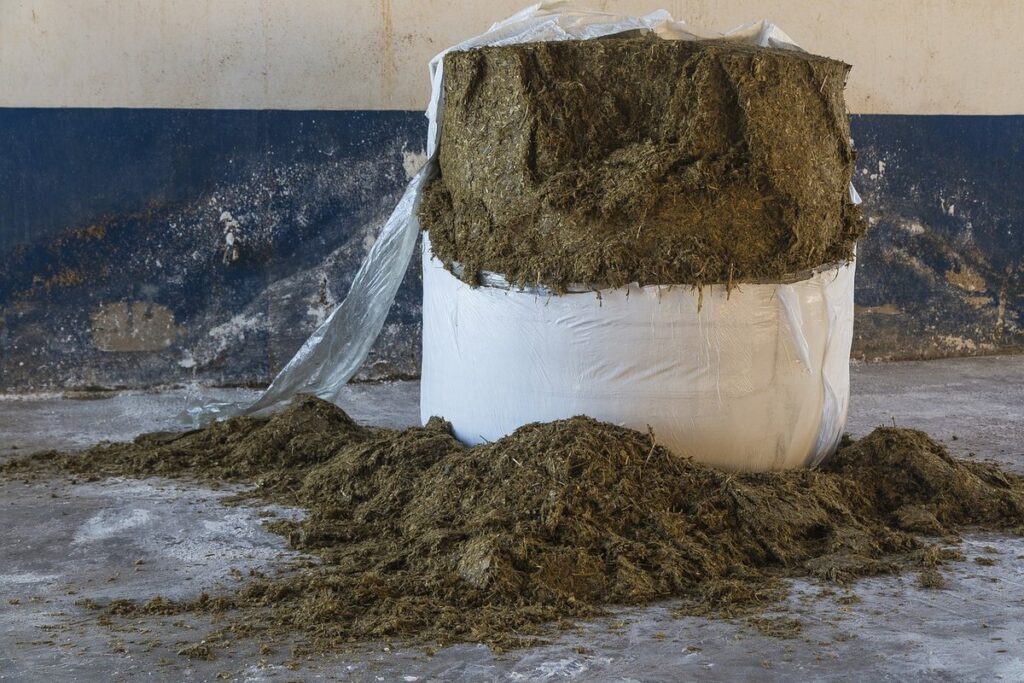
Hay is often considered a simple commodity, but its significance extends far beyond being just a food source for livestock. You might be surprised to learn that hay has been used in various forms for thousands of years, from ancient Egyptian animal feed to modern-day human nutrition supplements. Its versatility and nutritional value make it an essential component in sustainable agriculture practices, allowing farmers to conserve water and reduce waste while maintaining healthy crops. But what exactly is hay? In this article, we’ll explore the history, uses, and benefits of hay, including its role in animal feed, human health, and environmental conservation. By the end of this post, you’ll understand why hay is a crucial element in sustainable practices and be able to appreciate its nutritional value for both humans and animals.

Definition and Types of Hay
Hay is a common term, but what exactly does it refer to? This section will clarify the definition and various types of hay that you may come across.
Grass Hay: A Common Type of Feed
Grass hay is one of the most common types of hay used as a feed for animals. It’s typically made from various grass species, with timothy hay and alfalfa hay being two popular varieties. Timothy hay, named after its origin in timothy grass, is known for its sweet flavor and high fiber content, making it an ideal choice for horses and small livestock. Alfalfa hay, on the other hand, is higher in protein and calcium, often used as a supplement for pregnant or lactating animals.
Grass hay offers several benefits for animal health. Its slow digestion rate helps maintain stable blood sugar levels and prevents sudden energy spikes. This makes it suitable for animals with sensitive stomachs or those prone to digestive issues. Timothy hay, in particular, has been shown to promote dental health by helping to clean teeth and reduce the risk of tooth decay.
When choosing grass hay, consider factors like moisture content, nutritional value, and freshness. It’s essential to store grass hay in a dry, well-ventilated area to maintain its quality and prevent mold growth. Regularly inspecting your hay supply can help ensure you’re providing the best possible nutrition for your animals.
Legume Hay: Nutritional Value and Uses
Legume hay is a type of hay made from leguminous plants, which are known for their ability to fix nitrogen in the soil. This nutritional profile makes it particularly valuable as an animal feed supplement. Legumes such as alfalfa, clover, and beans contain high levels of protein, making them a staple ingredient in many livestock diets.
In addition to its nutritional value, legume hay has several uses in animal husbandry. It can be used as a pasture conditioner, helping to improve soil fertility and increase yields. Some farmers also use legume hay as a bedding material for their animals, due to its absorbency and dryness.
Some popular varieties of legume hay include clover hay and bean hay. Clover hay is prized for its high protein content and ability to promote healthy digestion in livestock. Bean hay, on the other hand, is often used as a filler feed or as an ingredient in specialized animal diets. When selecting a legume hay variety, it’s essential to consider factors such as moisture levels, age of the crop, and storage conditions to ensure optimal nutritional value and freshness.
History and Importance of Hay
Hay has been a vital part of human history, providing food for animals and fuel for industries. Let’s take a closer look at its rich past and significance in modern times.
Ancient Civilizations and Hay Production
Hay production dates back to ancient civilizations, where it was a vital source of feed for domesticated animals. The earliest recorded evidence of hay production comes from ancient Egypt around 2500 BCE. Egyptian farmers harvested and dried local grasses, such as wheat and barley, to create a dry and compact feed for their livestock. Similarly, the ancient Greeks and Romans used hay as a primary feed source for their horses and other farm animals.
The significance of hay as a feed source can be attributed to its ability to provide sustenance during times of scarcity. In regions with harsh winters or limited grazing areas, hay served as a reliable means of feeding livestock throughout the year. For instance, ancient farmers in Europe would harvest and store hay for winter consumption, ensuring their animals had access to food even when pastures were barren.
As agriculture practices evolved, so did hay production techniques. The introduction of new crops, such as alfalfa and clover, further increased the nutritional value of hay. Today, hay remains a crucial component in modern animal husbandry, with many farms relying on it as a primary feed source for their livestock.
Modern Uses of Hay: From Livestock to Humans
Hay has a multitude of uses beyond its primary role as animal feed. In human nutrition, hay is used to make tea, which is said to have various health benefits, including lowering cholesterol levels and aiding digestion. This practice is particularly common in some parts of Asia where hay tea is consumed for its perceived medicinal properties.
In the craft brewing industry, hay plays a crucial role in beer production. Some breweries use hay as an ingredient to add unique flavors and aromas to their beers. The type of hay used can impact the final product’s characteristics, with some brewers opting for sweet hay varieties to create sweeter beers.
Hay is also used in environmental conservation efforts. It can be used as a natural composting agent to improve soil quality and structure. This process helps to reduce waste by recycling organic materials that would otherwise end up in landfills. Additionally, hay can act as a filter medium in water treatment systems, helping to remove impurities and sediment from water sources.
When using hay for these purposes, it’s essential to choose high-quality varieties that are free of contaminants and have the desired properties. This ensures optimal results and minimizes potential negative effects on human health or the environment.
How is Hay Made?
Hay production involves several steps, from harvesting and drying to baling and packaging. We’ll take a closer look at how hay is made, a crucial process for preserving its quality.
Harvesting and Drying Methods
Hay is typically harvested when it reaches a moisture level of 20-30%, as drier hay is more difficult to store and less prone to spoilage. There are several methods used for harvesting, including mechanical harvesters that cut and collect the crop in one operation, manual cutting where the hay is cut by hand or with a scythe, and strip cutting where individual stalks are cut near the base of the plant.
Solar drying techniques can be used on smaller scales to dry freshly harvested hay. This method involves spreading the hay out in thin layers and allowing it to dry under direct sunlight. This process can take several days, depending on weather conditions, but results in high-quality hay that is perfect for animal feed or craft brewing applications.
When using mechanical harvesters, farmers typically cut the hay at a 4-6 inch height to promote regrowth and prevent over-maturity. In contrast, manual cutting often involves leaving longer stalks intact, which can be beneficial for certain types of livestock or garden use.
Quality Control Measures for Hay Production
To ensure hay meets nutritional standards, quality control measures are crucial during production. Moisture content is a key factor; hay should not exceed 20% moisture to prevent mold and spoilage. Hay producers typically use dryers or specialized equipment to reach this level.
pH levels also play a significant role in hay quality. Legumes, like alfalfa, tend to be more alkaline (pH 7-9), while grasses are generally more acidic (pH 5-7). Most livestock require hay with a pH between 6 and 8. Producers often test hay samples for pH levels before sale.
Pesticide testing is another essential quality control measure. Hay contaminated with herbicides or pesticides can harm animals consuming it. Regulated by the EPA, hay producers must follow strict guidelines to minimize residues. Many opt for organic or non-GMO options to avoid pesticide use altogether.
Some producers also test for heavy metals like lead and mercury. These tests are typically more expensive but provide an added layer of safety for consumers. By implementing these quality control measures, hay producers can ensure their products meet nutritional standards and remain safe for animal consumption. Regular testing allows them to identify potential issues before sale.
Benefits of Using Hay
Hay offers several practical benefits, from feeding livestock to insulating buildings and providing a natural fire starter, making it a versatile resource. We’ll explore these advantages in more detail next.
Nutritional Advantages for Livestock
Using hay as a nutritional supplement for livestock offers several advantages. For one, it improves digestibility by providing a more balanced mix of fiber and nutrients. This is particularly important for ruminant animals like cows and sheep, which rely on microorganisms in their stomach to break down cellulose in plant material.
Hay also reduces the risk of certain diseases, such as digestive disorders and malnutrition-related illnesses. This is because hay provides essential vitamins, minerals, and amino acids that are often lacking in other feed sources. For example, alfalfa hay is rich in calcium and protein, making it an excellent choice for lactating dairy cows.
In addition to these benefits, hay can also enhance overall health by promoting a healthy gut microbiome. This is achieved through the presence of beneficial microorganisms like Lactobacillus and Bifidobacterium, which are often present in high-quality hay products. By incorporating hay into their feed regimen, farmers can help support the immune systems and overall well-being of their animals.
Sustainable Practices and Environmental Impact
Hay production can be a sustainable practice when done correctly. One of the key benefits of hay production is its ability to reduce greenhouse gas emissions. When farmers harvest and dry their crops efficiently, they minimize the amount of fuel needed for equipment and transportation, resulting in lower emissions.
Proper hay production also promotes soil conservation by reducing erosion and retaining moisture. Legumes, such as alfalfa and clover, are often used in hay production due to their ability to fix nitrogen in the soil, reducing the need for synthetic fertilizers. This process not only conserves resources but also improves soil health over time.
To implement sustainable practices in hay production, farmers can consider using techniques like rotational grazing or integrating cover crops into their rotation plans. These methods help maintain soil fertility, reduce erosion risk, and promote biodiversity on their farms. By adopting these strategies, hay producers can minimize their environmental footprint while maintaining a profitable business.
Uses of Hay Beyond Feed
Hay is a versatile crop that offers uses beyond just feeding livestock, and we’ll explore some of its lesser-known applications here. From crafting to composting, hay’s value extends far beyond the farm gate.
Craft Brewing: The Role of Hay in Beer Production
Craft breweries are increasingly incorporating hay into their beer production process. One reason for this trend is hay’s ability to act as a filter aid during brewing. The plant material helps remove impurities and excess solids from the wort, resulting in a clearer final product. In addition to its filtering properties, hay can also be used as a fermentation agent. Some breweries add hay directly to their fermenters to create a unique flavor profile and aroma.
Hay’s use in craft brewing is often tied to its ability to introduce specific compounds into the beer. For example, some types of hay are high in phenolic acids, which contribute earthy or grassy notes to the brew. Brewers may also choose hay for its antimicrobial properties, as it can help control unwanted yeast growth during fermentation.
While using hay in brewing is still a niche practice, several breweries have experimented with incorporating different varieties into their recipes. The results can be quite varied – from subtle, herbal undertones to more pronounced grassy or vegetal flavors. If you’re considering trying your hand at brewing with hay, it’s essential to experiment carefully and monitor the effects of different types and amounts on your final product.
Composting and Manure Management with Hay
Composting and manure management are crucial aspects of sustainable farming practices. Hay plays a vital role in these processes by adding bulk and improving carbon-to-nitrogen ratios. When mixed with other compost materials, hay’s high fiber content helps to balance the decomposition process, preventing excessive nitrogen consumption and subsequent ammonia emissions.
To utilize hay effectively for composting, it’s essential to layer it alongside “green” materials like manure or food waste. This alternating pattern promotes aeration and allows microorganisms to break down organic matter efficiently. In addition to improving compost quality, hay can also be used to manage manure waste by absorbing excess moisture and odors.
For soil fertility promotion, hay’s nutrient-rich properties are particularly beneficial when applied as a mulch or incorporated into the soil. It replenishes micronutrients like phosphorus and potassium while maintaining soil structure. Consider incorporating hay into your compost pile during the wet season to optimize decomposition rates and minimize waste. By doing so, you can create a nutrient-dense compost that supports healthy plant growth and reduces reliance on synthetic fertilizers.
Frequently Asked Questions
What If I’m New to Hay Production? Where Do I Start?
If you’re new to hay production, start by researching local regulations and guidelines for growing and harvesting hay in your area. Familiarize yourself with the different types of hay, their nutritional profiles, and ideal growth conditions. Begin small, perhaps with a few acres or a small-scale operation, to gain hands-on experience and build your expertise.
Can I Grow Hay Year-Round in My Region?
Hay production is typically seasonal, but some regions have longer growing seasons than others. Yes, you can grow hay year-round in certain areas, such as the southern United States or parts of Europe with mild winters. However, be aware that specific varieties may thrive better in certain climates and soil conditions.
How Do I Ensure My Hay Meets Nutritional Standards?
To ensure your hay meets nutritional standards, invest in a good quality control process, including regular moisture content testing, pH level monitoring, and pesticide testing. You can also consider partnering with a reputable agronomist or consultant to help you navigate the production process.
What If I Want to Use Hay for Human Consumption? Are There Any Risks?
While hay is generally considered safe for human consumption, there are some risks to be aware of. Yes, if not properly processed and handled, hay can harbor pathogens like E. coli or Salmonella. Always source your hay from reputable suppliers and follow proper handling and storage procedures to minimize the risk of contamination.
Can I Use Hay as a Compost Additive in My Garden?
Hay can make an excellent compost additive, helping to balance carbon-to-nitrogen ratios and improve soil structure. However, be sure to choose unsweetened, unseeded hay varieties that are free from pesticides or other contaminants. Also, mix the hay with other compost materials to avoid overloading your garden with a single type of material.