
Beekeepers often dread the day their colonies start to swarm, as this usually signals the bees are becoming too large for their hives. A swarm can be devastating, not only for the beekeeper but also for the local ecosystem, as it may attract predators and cause problems for nearby plants. To prevent swarming, you need to understand colony behavior and identify potential health issues early on. This involves assessing your bees’ population growth, food stores, and overall well-being. Implementing effective prevention methods can help maintain a healthy balance within the hive. By understanding how to prevent bee swarming, you’ll be able to safeguard both your bees and the surrounding environment. In this article, we’ll explore the key factors contributing to colony instability and provide practical tips on how to prevent swarming through colony assessment and management.
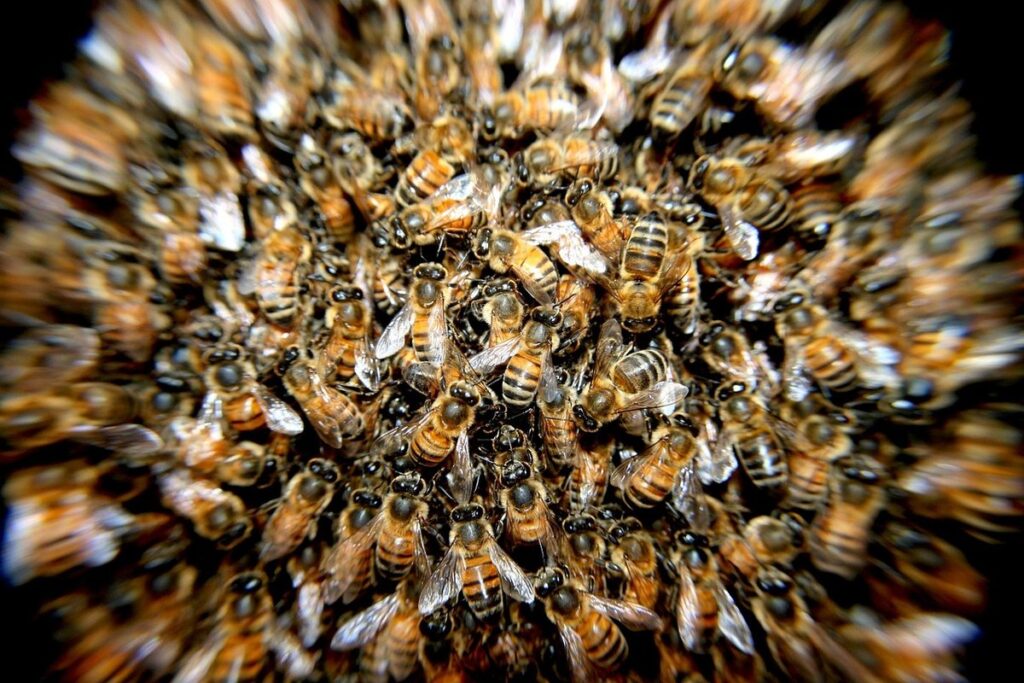
Understanding Bee Behavior and Swarming
Understanding bee behavior is crucial for preventing swarms, as it helps identify warning signs that a colony is preparing to swarm. Let’s take a closer look at what triggers this natural process.
Causes of Bee Swarming
Bee swarming is triggered by a complex interplay of factors, including colony size, food availability, and environmental conditions. When a colony reaches its maximum capacity, typically between 30,000 to 60,000 bees, the queen’s pheromone levels become diluted, causing the workers to prepare for a new home.
This process is often triggered by changes in temperature or humidity, which can affect the flow of nectar and pollen into the hive. For example, if a prolonged period of dry weather reduces food availability, the colony may be forced to swarm in search of resources.
Other environmental factors, such as nearby nesting sites or the presence of predators, can also influence swarming behavior. Bees are attracted to areas with established hives or other potential nesting sites, which can trigger a swarm. Similarly, the presence of pests or diseases can weaken the colony and increase the likelihood of swarming.
To understand and prevent swarming, it’s essential to recognize these triggers and take steps to address them. This may involve managing food availability, monitoring temperature and humidity levels, or implementing integrated pest management strategies. By understanding the causes of bee swarming, beekeepers can better prepare for the upcoming swarming season and reduce the likelihood of colony loss.
Signs of Imminent Swarming
When a bee colony is preparing to swarm, it’s essential to recognize the warning signs. One of the most noticeable indicators is increased activity around the hive. You may observe more bees entering and leaving the hive than usual, often in a frantic manner. This behavior is caused by scout bees searching for a new location to establish their swarm.
The presence of a new queen is another sign that swarming is imminent. A mature queen bee will typically leave the parent colony with her followers, but if you notice a young, newly emerged queen within the hive, it’s likely she’ll depart soon. Look for signs of reduced egg-laying activity by the old queen, as this can indicate her impending departure.
Scout bees are responsible for selecting a new site for the swarm. They will often be seen flying erratically around the area, inspecting potential locations. If you notice an increase in these exploratory flights, it may be a sign that swarming is near. Keep an eye on the hive’s entrance and exit points to detect any unusual activity or changes in bee behavior.
Preparation for Preventing Swarming
Before a swarming event occurs, it’s crucial to understand the warning signs and take proactive steps to prevent your bees from leaving the hive. This section will walk you through these critical preparation steps.
Assessing Colony Health
When assessing colony health, it’s essential to consider various factors that can contribute to swarming behavior. Start by inspecting for signs of disease, such as deformed wings, fungal growths on the brood, or a strong odor emanating from the hive. Check for pests like small hive beetles and mites, which can weaken the colony over time.
Monitor the nutritional health of your bees by observing their behavior during feeding times. Bees with inadequate nutrition may become aggressive and swarm in search of better food sources. You can also perform a brood check to ensure that the queen is laying eggs evenly throughout the hive. Typically, a strong, healthy colony will have a consistent egg-laying pattern.
A small minority of colonies may require more targeted assessments due to specific issues like queen failure or disease outbreaks. In these cases, consider consulting with an experienced beekeeper for guidance on addressing the underlying problems. Regular health checks and prompt intervention can help mitigate potential swarming triggers and promote overall colony well-being.
Creating a Suitable Environment
A suitable environment is crucial for preventing swarming. When a colony feels cramped or lacks essential resources, it can trigger a swarm. Provide your bees with ample space by ensuring their hive has enough room to expand. A general rule of thumb is to allocate at least 40 pounds of honey storage per 1,000 bees. This allows for some wiggle room and prevents overcrowding.
Ventilation is also vital. Bees need airflow to regulate their temperature and keep the hive healthy. Check your hive’s ventilation system regularly and make adjustments as needed. If you notice condensation or a musty smell, it may be a sign that your ventilation isn’t adequate.
Make sure your bees have access to plenty of nectar-rich flowers and trees within a 3-4 mile radius. A diverse range of food sources will keep your colony satisfied and reduce the likelihood of swarming. Consider planting bee-friendly flora or relocating your hive near an area with abundant forage options. By attending to these environmental factors, you’ll create a stable foundation that reduces the risk of swarming. Regular inspections and adjustments will help maintain this balance.
Methods for Preventing Swarming
Preventing swarms requires a combination of regular inspections, record-keeping, and proactive management to identify potential issues before they become major problems. Regular checks will help you stay on top of your colony’s needs.
Splitting Colonies
When splitting colonies to prevent swarming, it’s essential to prioritize selecting a healthy queen bee. This involves identifying a strong, prolific queen with excellent egg-laying abilities. A good indicator of a healthy queen is the presence of well-developed brood and a robust population of worker bees.
To split a colony effectively, you’ll need to prepare new hives in advance. This includes ensuring each hive has its own dedicated space, adequate ventilation, and sufficient resources for the queen and her emerging workers. A general rule of thumb is to allocate at least 2-3 frames per hive, depending on the size of your existing colonies.
When preparing new hives, make sure to include a few key items: a food source (such as honey or sugar), water, and a frame with comb for the queen to lay eggs. It’s also crucial to introduce multiple frames from the parent colony to help establish a diverse population in the new hive. This will give the emerging swarm a better chance of survival.
When selecting which bees to include in the new split, prioritize the presence of nurse bees, drones, and a mix of older workers.
Adding Queen Excluders
Adding queen excluders to a beehive is an effective method for preventing swarming. By introducing these devices, you can prevent new queens from emerging and leaving the colony with a swarm. A queen excluder allows worker bees to continue collecting nectar while keeping the queen confined.
When selecting a queen excluder, consider its material and mesh size. Some excluders are made of plastic or metal, while others use a hexagonal wire mesh that mimics the structure of the honeycomb cells. The ideal mesh size is crucial; it should allow worker bees to pass through easily but prevent the queen’s larger body from doing so.
To install a queen excluder, place it above the honey super and below the queen excluder frame. This will create a barrier between the queen and her potential swarm site. Make sure to position the excluder carefully to avoid crushing the brood or interfering with the bees’ natural behavior. Regularly inspect your queen excluders for signs of wear, damage, or buildup that may hinder their effectiveness.
Natural Methods for Preventing Swarming
If you’re looking to prevent bee swarming, it’s essential to understand the natural methods that can help control your colony’s population and encourage health. We’ll explore these methods in more detail below.
Using Essential Oils and Herbs
Essential oils and herbs have been explored as natural deterrents to prevent bee swarming. Some research suggests that certain plant extracts can reduce aggression and stress levels in bees, making them less likely to swarm. For instance, lavender oil has been shown to decrease honey bee aggression by up to 40%. However, it’s essential to note that these results are based on laboratory studies, and their effectiveness in real-world scenarios is still unclear.
When using essential oils, it’s crucial to choose high-quality products specifically designed for bee health. These should be diluted with a carrier oil according to the manufacturer’s instructions before application. For example, a 5% dilution of lemongrass oil has been used to repel bees from apiaries in some cases.
Some herbs like mint and chamomile have also been reported to have calming effects on bees. Planting these near beehives or incorporating them into the bees’ food may help reduce stress levels, potentially leading to a decrease in swarming behavior. However, it’s crucial to note that individual results may vary depending on the specific herb, oil, and bee colony in question.
Providing Adequate Nutrition
A balanced diet is essential for maintaining a healthy bee colony, which can significantly reduce the likelihood of swarming behavior. A well-fed colony is less likely to produce queen cells and swarm in search of food, as they are more satisfied with their current conditions. This is because bees prioritize nutrition over reproduction, particularly when food sources are scarce.
Providing adequate nutrition involves ensuring a diverse range of nectar-rich flowers and pollen sources within a 3-mile radius of the beehive. Consider planting bee-friendly plants like lavender, coneflowers, or sunflowers that bloom at different times to provide a constant flow of nutrients throughout the season. You can also supplement your bees’ diet with high-quality commercial pollen or bee bread.
It’s essential to avoid over-supplementing, as this can lead to an imbalance in the colony’s nutrient intake and potentially cause other issues. A general rule is to offer supplements only during periods of extreme weather conditions or when natural forage is scarce, typically a few weeks at most.
Advanced Techniques for Preventing Swarming
Advanced techniques involve monitoring beehive activity, recognizing early warning signs, and implementing proactive measures to prevent swarming. This expertise is crucial for beekeepers looking to minimize the risk of swarm events entirely.
Using Beehive Mites
Introducing beehive mites as an attractant to the queen and swarming bees can be a valuable addition to your preventative measures. By attracting the queen and her swarm, you’re creating an opportunity for them to establish themselves within the colony. This approach is particularly useful when managing strong, healthy colonies that are prone to swarming.
To implement this method, you’ll need to introduce beehive mites into the hive. These parasites are naturally attracted to the pheromones produced by bees and queens in particular. When introduced, they will quickly locate the queen and begin to multiply. The queen’s presence is necessary for the swarm’s survival, so introducing mites forces the swarm to linger.
Keep in mind that this approach requires careful management of both the mite population and the overall colony health. Overcrowding or poor nutrition can exacerbate existing issues with swarming behavior. Regular monitoring and adjustments will be necessary to ensure a balanced ecosystem within your hive.
Implementing Integrated Pest Management
Implementing integrated pest management (IPM) strategies is crucial to preventing swarming. This approach involves a combination of chemical control and biological control methods to manage pests effectively without harming the colony. Chemical controls, such as pesticides, should be used sparingly and only when necessary, as they can have long-term effects on bee health.
Biological controls, on the other hand, involve using natural predators or parasites to control pest populations. For example, introducing beneficial insects like ladybugs or lacewings can help regulate aphid populations without harming bees. Another biological control method is the use of diatomaceous earth, a non-toxic substance that dehydrates and kills pests.
When implementing IPM strategies, it’s essential to identify the root cause of pest issues in your colony. This may involve inspecting for signs of disease or parasite infestations. Some common pests that can lead to swarming include varroa mites, small hive beetles, and American foulbrood bacteria. By understanding the specific pest issues affecting your colony, you can develop targeted IPM strategies that minimize harm to both bees and other beneficial insects in the area.
Conclusion and Next Steps
Now that you’ve learned how to prevent bee swarming, it’s time to put your new knowledge into practice. Let’s review what steps you need to take next to keep your bees healthy and thriving.
Recap of Key Takeaways
To recap, preventing bee swarming involves a multifaceted approach. One of the primary prevention methods is splitting colonies to reduce congestion and prevent overcrowding. This can be done by creating new hives or rehousing some bees in a separate colony.
Another crucial aspect is maintaining a suitable environment for your bees. This includes providing adequate space, ventilation, and protection from pests and diseases. You should also regularly inspect the hive for signs of disease, such as deformed wings or abnormal behavior.
Natural methods for preventing swarming include using essential oils and herbs to calm bees and deter them from swarming. Providing adequate nutrition is also crucial, as undernourished bees are more likely to swarm in search of food. Consider supplementing your bees’ diet with sugar water or pollen substitutes during times of scarcity.
Advanced techniques involve using beehive mites to monitor the health of your colony and identify potential problems early on. Integrated Pest Management (IPM) strategies can also help prevent swarming by controlling pest populations and reducing stress on the colony.
Some key takeaways from this comprehensive guide include:
- Regularly inspecting your hive for signs of disease or pests
- Providing a suitable environment, including adequate space and ventilation
- Using natural methods such as essential oils and herbs to calm bees
- Implementing IPM strategies to control pest populations
- Monitoring the health of your colony using beehive mites
Frequently Asked Questions
Can I use essential oils and herbs to prevent swarming on all types of bees?
Yes. Essential oils and herbs can be used to prevent swarming with both European honey bees (Apis mellifera) and other species, but it’s essential to research the specific needs of your bee population and ensure you’re using safe and effective methods.
How do I know if my queen excluder is installed correctly?
A well-installed queen excluder should be placed above the brood box to prevent new queens from emerging while allowing worker bees to forage. Check that it’s securely fastened, and the mesh holes are not clogged with debris or propolis.
What if I notice signs of imminent swarming but my colony is already split?
If you’ve split your colony as a preventative measure but still notice signs of imminent swarming, reassess the health and suitability of the new hive. Ensure it’s large enough to accommodate the growing population, and consider adding additional food sources or adjusting the environment to reduce stress.
Can I use integrated pest management (IPM) strategies alone to prevent swarming?
Yes. IPM is a holistic approach that can help manage pests, diseases, and other factors contributing to swarming behavior. However, it’s crucial to combine IPM with other prevention methods, such as splitting colonies or using queen excluders, for optimal results.
How long does it take for the effects of essential oils and herbs to kick in after application?
The time it takes for essential oils and herbs to have a noticeable impact on preventing swarming can vary depending on factors like the type of oil or herb used, the concentration, and the specific needs of your bee population. Monitor your colony closely and adjust methods as needed to achieve the desired results.

