Beekeepers often face a daunting task when establishing a new hive: creating a thriving colony from scratch can be a challenging process. However, there is an alternative approach that has gained popularity in recent years: introducing a nucleus colony to your apiary. A bee nuc, short for nucleus colony, is essentially a mini hive containing five to ten frames with a fully established colony of bees. This setup allows you to quickly populate your new beehive and gives the colony a head start on establishing itself. By understanding how to set up and manage a nuc, both beginner and experienced beekeepers can overcome common obstacles when starting a new hive. In this guide, we’ll explore the benefits of using bee nucs and provide a step-by-step process for successfully introducing a nucleus colony to your apiary.
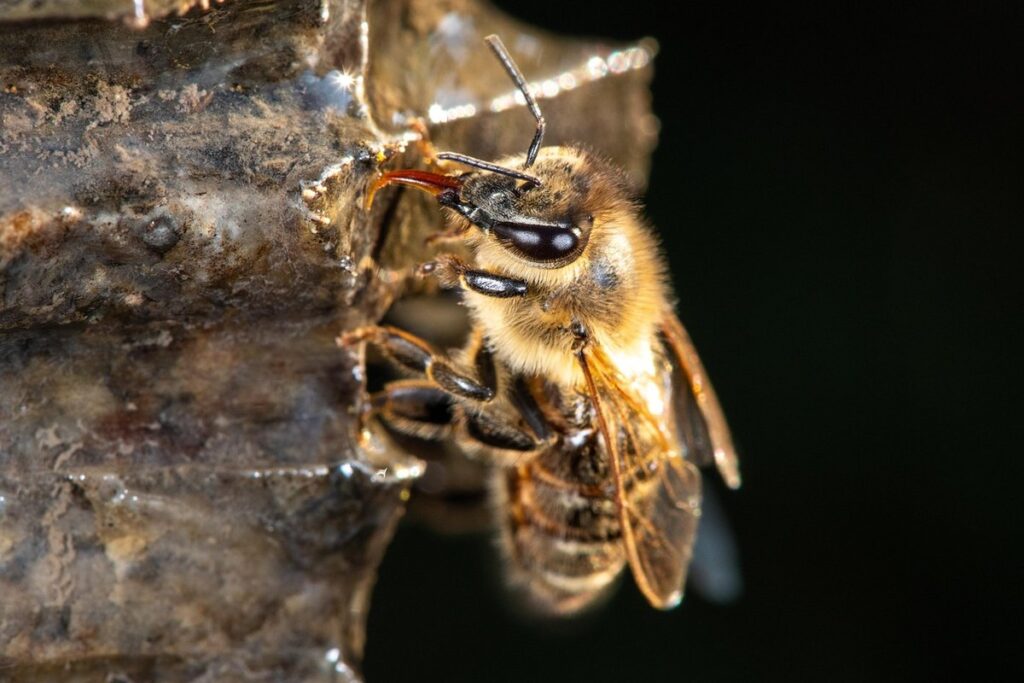
Understanding the Basics of Beekeeping and Nucleus Colonies
Bee nucs are a type of bee colony that’s gaining popularity among beekeepers, but they can be confusing for beginners. Let’s break down the basics to understand how they work and why they’re useful.
The Importance of Honey Bees in Ecosystems
Honey bees play a vital role in pollination, responsible for fertilizing around 1/3 of the world’s crops, including fruits, vegetables, and nuts. Without them, many plant species would be unable to reproduce, resulting in reduced crop yields and altered ecosystems. This is particularly evident in monoculture farming systems, where a single crop dominates the landscape and relies heavily on pollinator activity.
In natural ecosystems, honey bees contribute to seed production and dispersal, allowing for the regrowth of new plants. Their presence also maintains the diversity of plant species, as they transfer pollen between flowers, facilitating genetic exchange and variation. This complex interplay is essential for maintaining healthy ecosystem balance.
Maintaining robust honey bee populations is crucial due to their susceptibility to diseases, pests, and environmental stressors. Colony collapse disorder, caused by a combination of factors such as pesticide use, climate change, and Varroa mite infestations, has led to significant population declines in recent years. To mitigate these risks, it’s essential for beekeepers to prioritize nuc management, ensuring that new colonies are established with healthy, disease-free stock.
Brief History of Beekeeping and Nucs
Beekeeping has a rich history dating back thousands of years. Ancient civilizations such as Egypt, Greece, and Rome all kept honey bees for their honey and wax. However, these early beekeepers did not have the luxury of modern equipment or techniques. They relied on split hives to propagate new colonies, which often resulted in reduced yields and increased risk of disease.
The development of nucleus colonies, or nucs, revolutionized the industry by providing a more efficient method for establishing new colonies. In the late 19th century, Langstroth introduced movable-frame beehives, making it easier to inspect and manage hives. This innovation paved the way for the creation of nucs.
Nucs typically consist of a queen bee and a small number of worker bees, often with a brood nest already established. This allows new colonies to develop quickly, reducing the risk of queen loss and colony failure. The development of nucs has become an essential tool in modern beekeeping, particularly for beginners who may not have the experience or resources to manage a full hive.
What Are Bee Nucs? Understanding the Definition and Purpose
Bee nucs are a crucial tool for beekeepers, offering a cost-effective way to establish new colonies. In this context, we’ll explore their definition and purpose in detail.
What Is a Nucleus Colony?
A nucleus colony, commonly referred to as a nuc, is a small grouping of bees containing a queen and a set number of worker bees. Typically, a nuc consists of 3-5 frames, depending on the supplier or local regulations. This compact setup allows beekeepers to establish new hives with a smaller initial investment compared to traditional packages or splits.
The primary purpose of a nuc is to provide a self-sustaining colony that can thrive in a variety of environments. Since the queen and workers are already established, the nuc requires less maintenance during its early stages. This makes it an ideal choice for new beekeepers who may not have extensive experience managing larger colonies.
One key advantage of using nucs is that they offer a reduced risk of queen loss and colony failure. The pre-existing social hierarchy within the nuc helps to minimize disruption when introduced to a new environment. Furthermore, nucs can be easily integrated into established hives through a process called merging, allowing beekeepers to expand their apiary without starting from scratch.
Key Components of a Bee Nuc
A bee nuc typically contains three to five frames, depending on the supplier and the specific needs of the colony. The frames are usually divided into two sections: brood frames and honey/food storage frames. On average, a nuc will have one or two frames with fully developed brood (honey bees at different stages of development), while the other frames will be empty or contain some honeycomb foundation for future use.
The number of adult bees in a nuc can vary, but it’s typically around 8,000 to 12,000 bees. This includes a single queen bee and a smaller population of worker bees that are responsible for caring for her and the brood. A healthy nuc will have an adequate population of foragers, nurse bees, and guard bees.
In terms of brood distribution, a typical nuc might have around 50-70% of its frames dedicated to raising new bees, with the remaining frames reserved for honey storage or future brood expansion. This allows the colony to grow steadily while also maintaining a healthy balance between brood production and food reserves.
Setting Up a New Hive with a Bee Nuc
Bee nucs are perfect for new beekeepers, offering an affordable and low-risk way to start keeping bees. In this next part, we’ll walk you through setting up a thriving hive using one of these valuable resources.
Preparing for the Arrival of Your Nuc
When receiving a new nuc, it’s essential to have everything ready and prepared for its arrival. First, ensure you have all the necessary equipment set up and in place. This includes hives, supers, frames, foundation, and any other specific components required by the supplier or your local regulations. If you’re new to beekeeping, consider consulting with an experienced beekeeper or taking a beginner’s course to learn more about the essential tools of the trade.
Next, choose a suitable location for your nuc within the apiary. This should be a spot that receives direct sunlight and is protected from strong winds, rain, and extreme temperatures. A south-facing slope is ideal, as it allows for gentle warmth and good air circulation. When selecting a site, also consider the proximity to other hives, roads, and potential sources of disturbance.
Lastly, don’t forget about ventilation in your apiary. Proper airflow helps regulate temperature and prevents moisture buildup within the hive, reducing the risk of disease and pest issues. Ensure there’s adequate space between each nuc or hive for air to circulate freely, and consider installing entrance reducers to help control traffic flow and prevent overheating during peak summer months.
Installing the Nuc and Initial Care
When installing a nuc into its new hive, timing is everything. You’ll want to do this during a warm, calm period, ideally when the sun is shining and there’s no wind. This helps reduce stress on the bees as they acclimate to their new surroundings.
Begin by gently removing the shipping box or protective covering from the nuc, allowing the bees to fly freely for about an hour before installing them in the hive. This “dry” period allows the cluster to form and settle, making the transfer smoother.
To install the nuc, place it into the hive’s brood chamber, ensuring it’s centered and secure. Use a frame grip or other tool to gently guide the frames into position, taking care not to crush any bees.
After installation, inspect the hive for proper setup and ensure that there are no gaps in the roof or walls. Also, check the nuc’s temperature by feeling the hive body – it should be around 92°F (33°C) on a warm day. Keep an eye on the cluster’s size and make any necessary adjustments to the hive’s ventilation.
A small entrance reducer can help control airflow during this initial period, as the bees may not have had time to fully establish their temperature regulation.
Benefits of Using Bee Nucs for Beginners
For beginners, using bee nucs offers a lower-risk entry point into beekeeping, allowing you to establish a thriving colony without breaking the bank. We’ll explore these benefits in more detail below.
Reduced Risk of Queen Loss and Colony Failure
Using a bee nuc as the foundation for your new hive can significantly reduce the risk of queen loss and colony failure. One major advantage is that a nuc typically already has an established brood nest, which means the worker bees are more likely to accept a new queen if one is introduced. This reduces the likelihood of the existing queen being lost or failing, as often happens when introducing a new queen to an empty hive.
Another benefit is that the nuc’s smaller population size makes it easier to identify and address any issues before they become major problems. For example, if you notice a lack of brood development or signs of disease, you can take corrective action more quickly and effectively with a small colony. This proactive approach helps prevent colony failure and queen loss.
When setting up your nuc, make sure to closely monitor the queen’s performance and the overall health of the colony during its first few weeks. If you notice any issues, don’t hesitate to reach out for guidance or adjust your management strategies as needed. By being attentive and responsive, you can minimize risks and ensure a thriving new hive with a healthy queen and robust population.
Improved Success Rate for New Beekeepers
Using a bee nuc can significantly improve a new beekeeper’s chances of success in their first year. This is because nucs require less setup and maintenance than full colonies. For example, you don’t need to build or purchase an entire hive when receiving a nuc. The bees are already established and contained within a smaller unit.
With a nuc, you can skip the initial brood nest buildup phase, which can be a challenging period for new beekeepers. The nuc’s existing queen, workers, and brood allow it to quickly establish itself in its new location. This means that your bees will start producing honey and pollen sooner than if they were a newly established colony.
New beekeepers often struggle with the initial setup process, including assembling equipment and ensuring proper hive placement. A nuc bypasses these challenges by arriving ready-to-go. By choosing a nuc over a full colony, you can focus on learning the intricacies of bee behavior and management without having to worry about getting your bees off the ground. This streamlined approach reduces stress and increases the likelihood of success in your first year of beekeeping.
Advanced Topics: Using Bee Nucs for Swarming Control and Colony Merging
For more experienced beekeepers, using bee nucs can be a powerful tool for managing swarms and merging colonies, requiring some advanced techniques. This section will examine these specialized uses in detail.
Managing Swarms with Nucs
When a single colony grows too large, it can become prone to swarming. Swarms are not only detrimental to the health of the original colony but also pose a risk to surrounding bees and plants. By splitting the colony into multiple smaller ones using nucs, beekeepers can effectively control swarms and prevent them from occurring in the first place.
To manage swarms with nucs, you’ll need to assess the overall strength and growth rate of your colony. If it’s showing signs of overcrowding or increased activity around the entrance, it may be time to split it. Typically, a strong colony can be divided into two or three smaller ones, each with its own queen.
A key consideration when splitting a colony is ensuring that each new nuc has enough resources – including food stores and a healthy population of worker bees – to support itself until the next harvest season. You’ll need to carefully evaluate the strength and viability of each split before releasing them from the parent hive.
Merging Colonies Using Bee Nucs
When merging two or more colonies using bee nucs, beekeepers aim to promote genetic diversity and overall health within their apiary. This process involves combining multiple nuc colonies into a single larger colony, creating a stronger and more resilient population.
To merge colonies effectively, beekeepers typically use nucs with a similar strength and growth potential. It’s essential to choose nucs that have been well-established for at least 30 days, allowing them to develop a robust queen and an adequate food supply. Before merging, inspect each nuc carefully to ensure they are free from pests and diseases.
One common method of merging colonies involves creating a “merge box” – a temporary enclosure where the two nucs can be combined under close observation. This allows beekeepers to monitor the nucs’ behavior and adjust as needed before transferring them to a larger colony setup. A recommended ratio for merging is to combine one strong nuc with an equal or slightly weaker nuc, promoting growth and reducing competition among the bees.
When selecting nucs for merging, prioritize colonies that demonstrate desirable traits such as high honey production, gentleness, and disease resistance. This strategic approach enables beekeepers to create a more resilient apiary with improved overall health and productivity.
Equipment and Supplies Needed for Raising and Keeping Nucs
To successfully raise and keep nucs, you’ll need some essential equipment and supplies to ensure these young colonies thrive. Let’s take a look at what’s required to get started.
Essential Equipment for Nuc Management
A beekeeper managing nucs needs a range of specialized equipment to maintain colony health and control swarming. A dedicated nuc hive is essential for keeping the nuc separate from other colonies, as it has a smaller entrance that helps regulate traffic between the queen and workers. These hives are typically 4-8 frame hives with a smaller footprint than standard beehives.
Protective gear is another crucial aspect of nuc management. Beekeepers should invest in a good quality beekeeping suit, veil, and gloves to prevent stings during inspections and maintenance tasks. A smoker is also necessary for calming the bees before handling the hive.
Extractors are used for extracting honey from the frames. There are different types available, including manual and electric extractors, each with its own advantages and disadvantages. For nuc management, a smaller extractor is recommended to minimize disturbance to the colony.
Other essential equipment includes a frame grip or bee brush for handling frames without damaging them, as well as a hive tool for opening the hive and inspecting the frames. It’s also a good idea to have a plan in place for controlling pests and diseases within the nuc.
Considerations for Nuc Health and Hygiene
Regular inspections are crucial for maintaining nuc health and hygiene. This involves checking the nuc for signs of pests, diseases, and nutritional deficiencies. Look for any unusual odors, noises, or visual cues that may indicate a problem. You should inspect the nuc at least once a week during active seasons and more frequently if you notice any issues.
To prevent disease, use a combination of integrated pest management (IPM) techniques and good hygiene practices. This includes keeping your equipment and clothing clean, using protective gear when handling the nuc, and isolating new colonies to prevent the spread of diseases. You can also implement IPM strategies such as introducing beneficial insects like mites or beetles that prey on pests.
Effective record-keeping is essential for monitoring nuc health and identifying potential issues early on. Keep a logbook to track temperatures, humidity levels, feeding schedules, and any treatments you administer. This will help you identify patterns and make informed decisions about your nuc’s care. Regularly review your records to ensure you’re staying on top of nuc health and making adjustments as needed.
Frequently Asked Questions
What if I receive a nuc with an inadequate number of frames?
Yes, receiving a nuc with too few or too many frames can impact the colony’s health and growth. If you notice this during the installation process, contact your supplier to discuss replacement options. For future reference, always verify the frame count before accepting delivery.
Can I use local resources to create my own nucs instead of purchasing them from a supplier?
Yes, experienced beekeepers can successfully create their own nucleus colonies using local resources and knowledge. This approach can be cost-effective and allows for tailored colony composition. However, it requires significant expertise and attention to detail to ensure the new nuc thrives.
How do I handle queen loss within my nuc during its first year?
No, with proper care and regular inspections, queen loss is rare within a nuc’s first year. If you do encounter issues, try to identify the cause (e.g., disease, pests, poor nutrition) and implement corrective measures promptly. This may involve replacing the queen or adjusting management practices.
What are some signs that my nuc is swarming, and how can I prevent it?
Yes, signs of swarming include increased activity at the hive entrance, a strong, pungent odor, and an overall sense of urgency among the bees. To prevent swarming, ensure proper space within the hive for the growing colony and consider splitting the nuc into multiple smaller colonies using local resources.
What if I need to merge two or more nucs in my apiary? How do I ensure successful integration?
Yes, merging nucs can promote genetic diversity and overall health within your apiary. To ensure a smooth transition, choose nucs with compatible temperaments and introduce them gradually through a shared entrance, allowing bees from each colony to mingle and adjust to the new composition. Regularly monitor for signs of conflict or disease, adjusting management strategies as needed.